

Spanish deck
The artistic evolution of Spanish playing cards
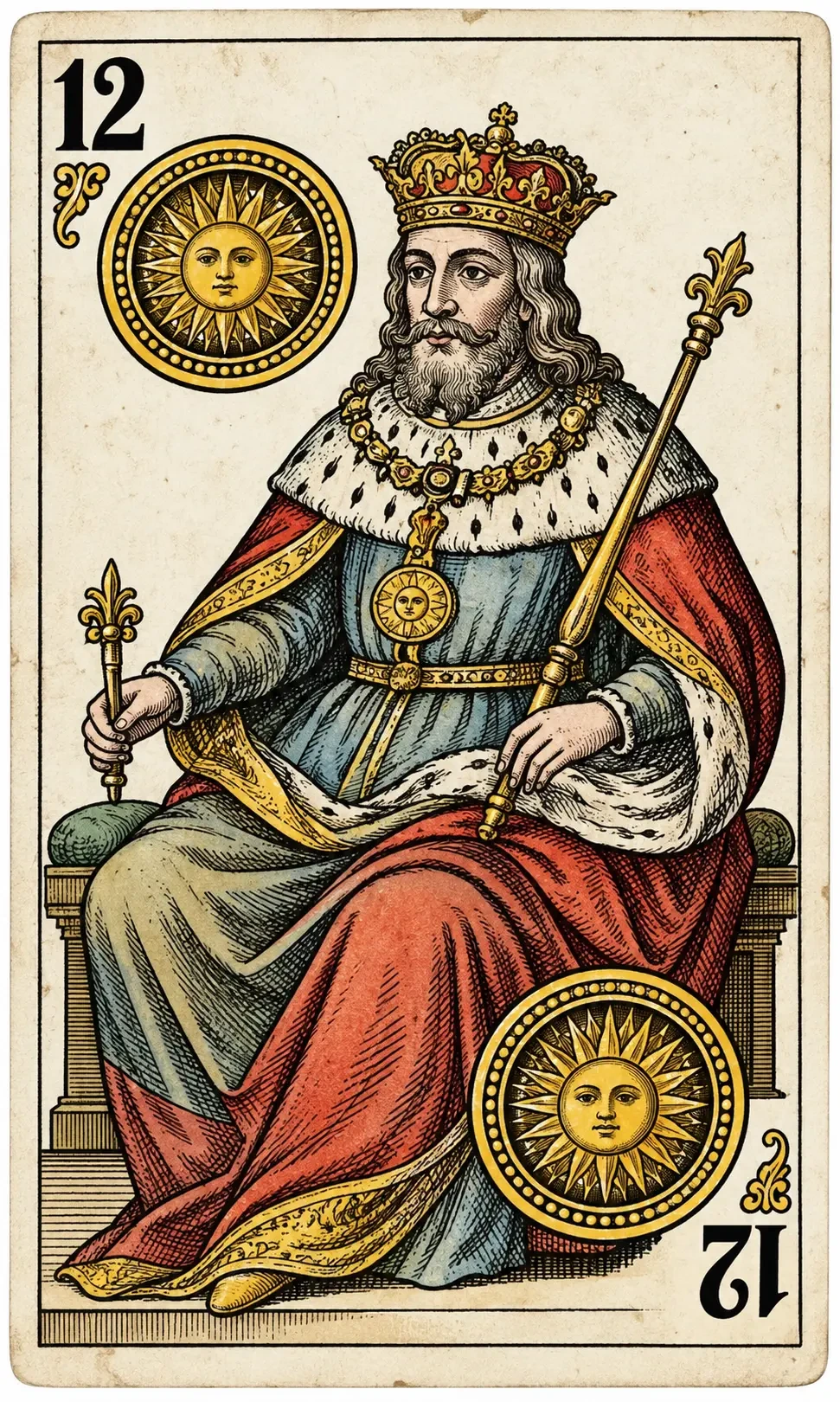
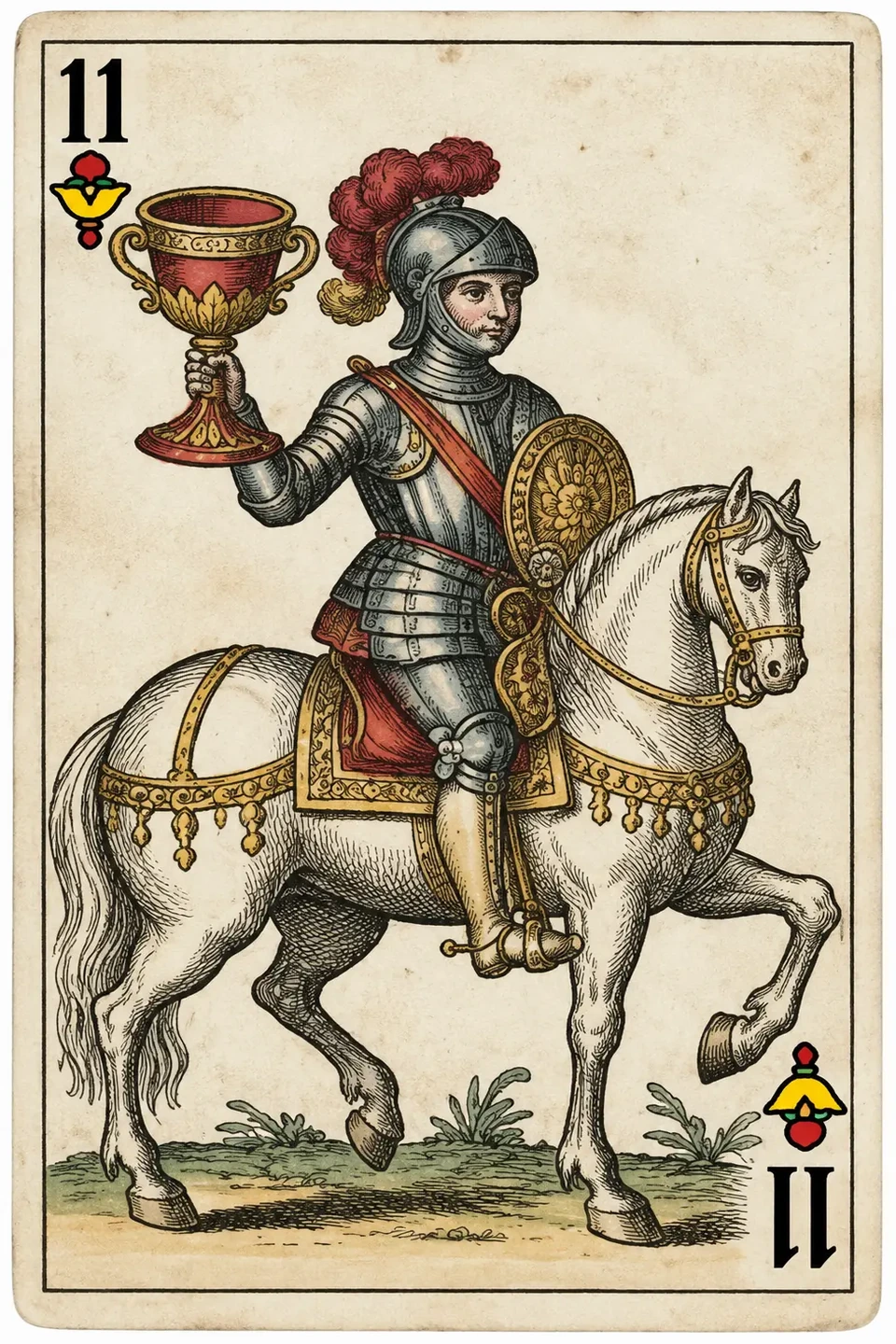
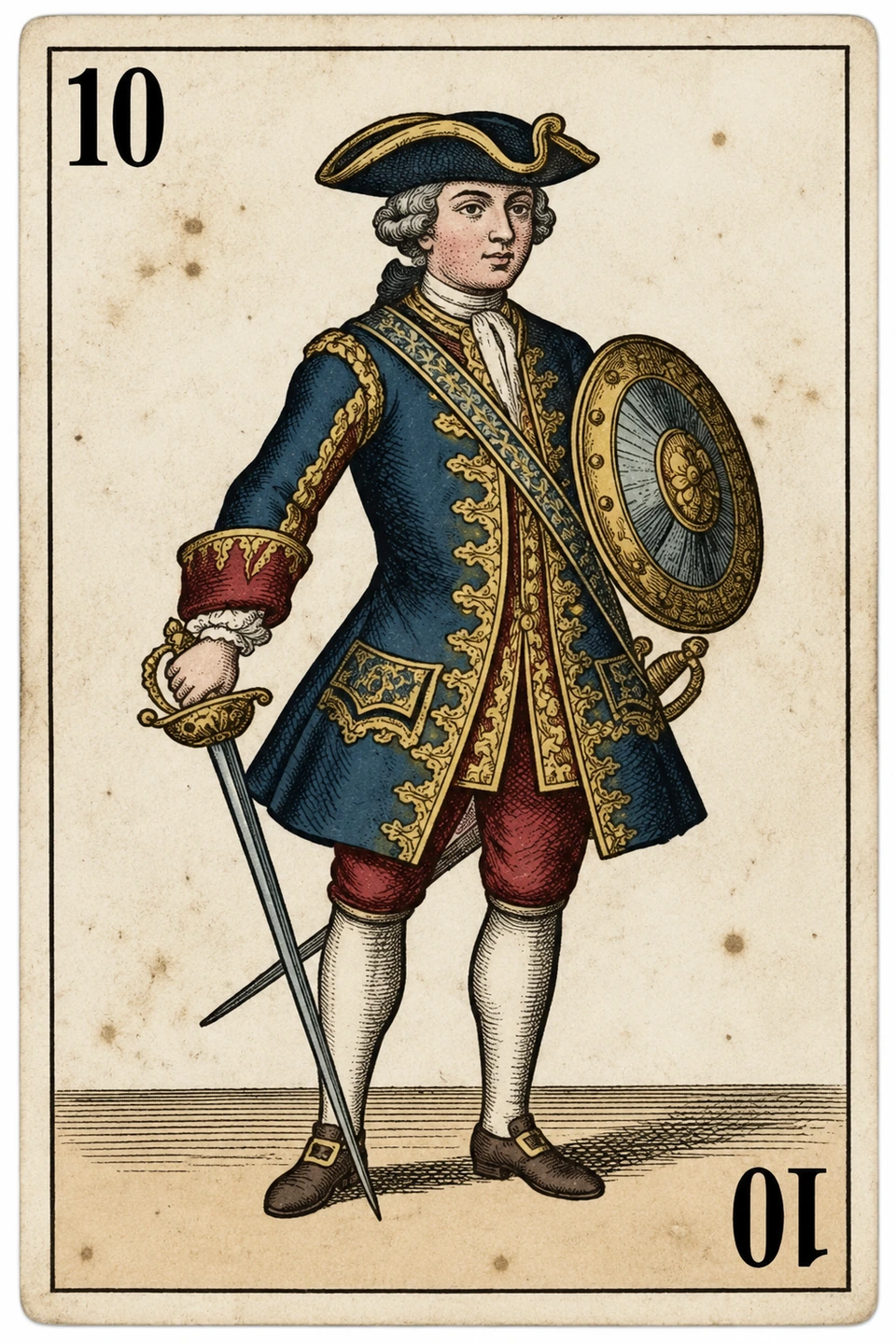
Spanish playing cards have evolved from hand-painted cards and stencil-coloured medieval prints through the refined engravings of the 17th and 18th centuries to the vividly coloured lithographs of the 19th century. It was during that last period that the classic look we recognise today took shape, paving the way for today’s mix of traditional and artist-designed packs.
The earliest cards
The oldest packs were either luxury cards, painted by hand, or everyday ones, printed from woodblocks and coloured using stencils. The figures were stiff and varied greatly from one workshop to another. We explain this in how the first cards were made.
The major workshops
During the 17th and 18th centuries, regional patterns and major factories emerged, some operating under royal privileges. The figures became more detailed, with period clothing, livelier horses, and aces bearing coats of arms and manufacturers’ inscriptions.
Lithography
In the 19th century, lithography made richer, more consistent colours possible. Heraclio Fournier’s design, which established the modern style, dates from this period; we tell the story in the history of Heraclio Fournier. Numbers in the corners were also added.
The 20th century and today
Alongside the classic pack, advertising, commemorative and artist-designed packs appeared. Today, digital printing allows for designs to suit every taste. At Lascuarenta, we have several packs of our own, from classic to themed designs: you can see them in our playing card collection.
Frequently asked questions
When did Spanish playing cards take on their modern look?
In the late 19th century, with lithographed packs.
How were early playing cards coloured?
By hand or using stencils, over woodblock prints.