

Spanish deck
The Story of Heraclio Fournier, the Playing Card Printer of Vitoria
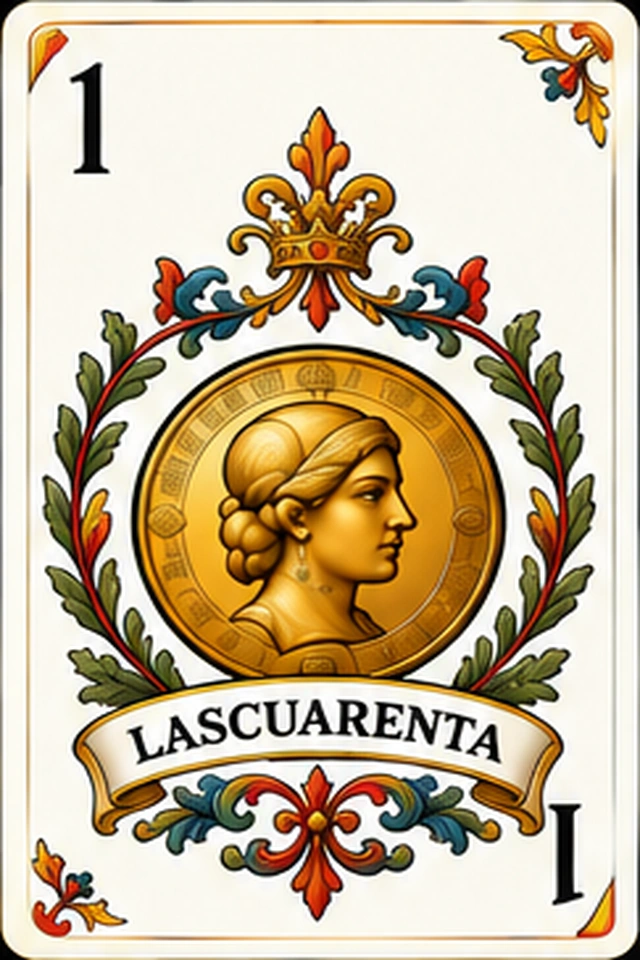
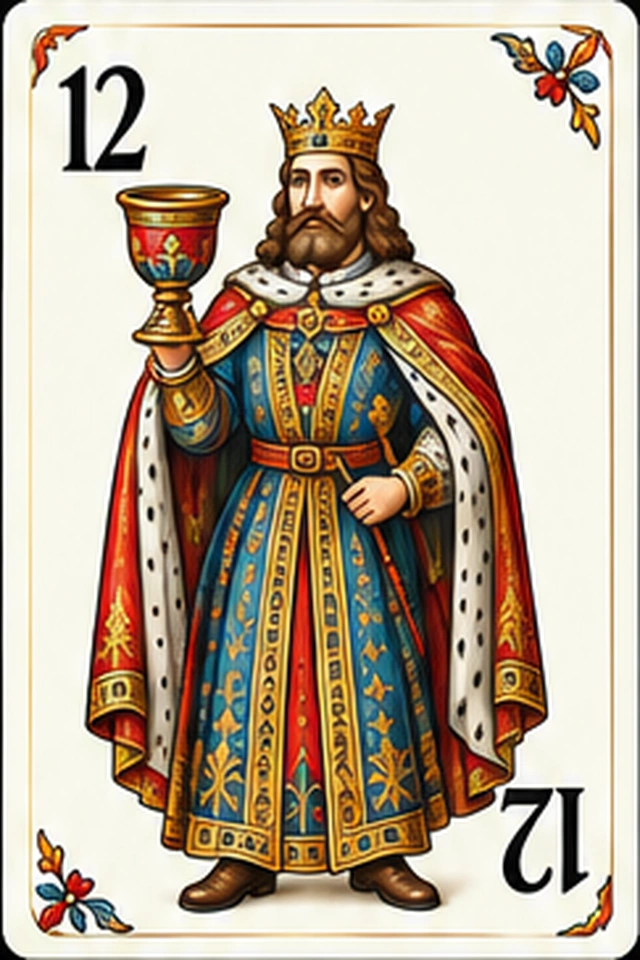
Heraclio Fournier (Burgos, 1849 – Vitoria, 1916) founded a playing card workshop in Vitoria in the late 1860s, turning his work as a printer into a major company. His late-19th-century design gave the Spanish deck its most recognisable appearance.
A family of printers
Fournier came from a family of French origin that worked in printing and playing card production. He settled in Vitoria at a very young age and opened his own workshop. He embraced lithography, which made it possible to print with brighter colors and far greater consistency than older methods.
The deck we all know
Around 1889, his factory introduced a design commissioned from artists of the time that established the modern appearance of the sota, caballo and rey cards. It was so successful that, throughout the 20th century, many Spaniards simply thought of that design as “the deck.”
After Fournier
The company continued to grow after his death and amassed an important collection of playing cards. This became the basis of what is now the Álava Playing Card Museum/Bibat in Vitoria, which is well worth a visit. Today, the brand belongs to an international group.
What about our decks?
We admire his work, but Lascuarenta's decks are original designs, not copies. You can see them in our decks and read how we created one in the Baraja Antigua, card by card. For the earlier history, read who invented the Spanish deck.
Sources
Frequently asked questions
Did Heraclio Fournier invent the Spanish deck?
No. The deck had existed for centuries before him; he established one of its best-known modern designs.
Where is the Playing Card Museum?
In Vitoria-Gasteiz, as part of Bibat, the Álava Museum of Archaeology and Playing Cards.