

Culture
How the First Playing Cards Were Made in Spain
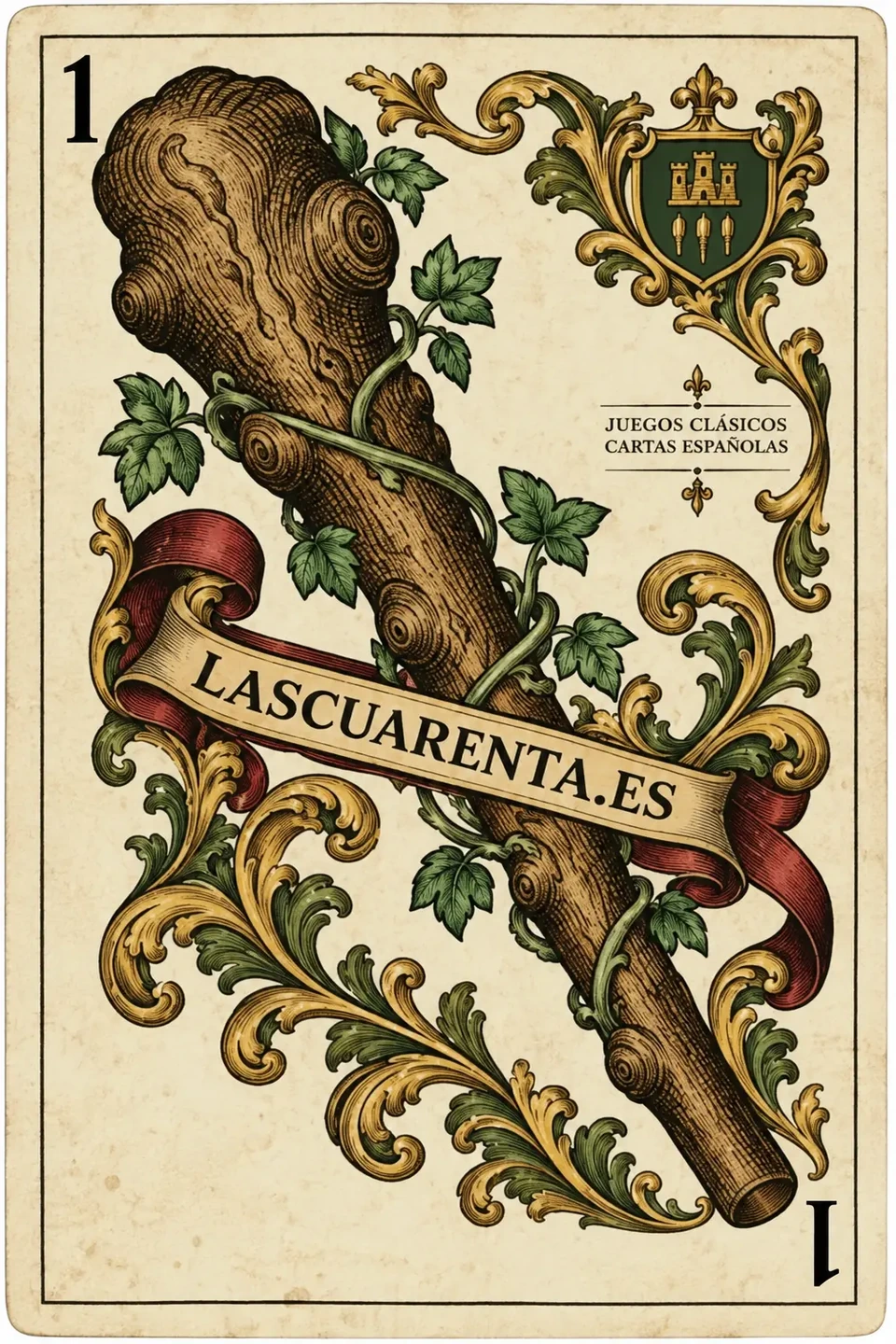
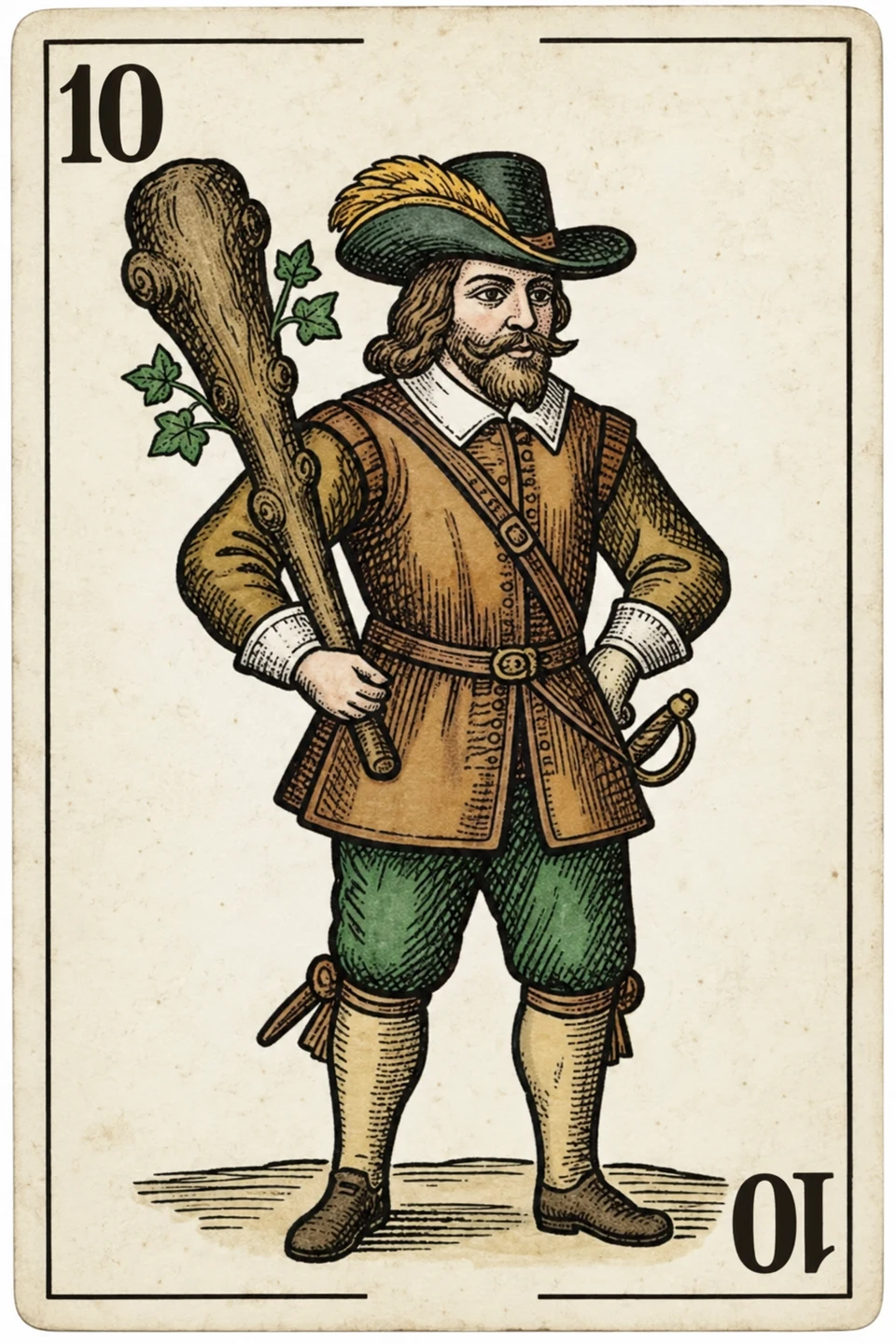
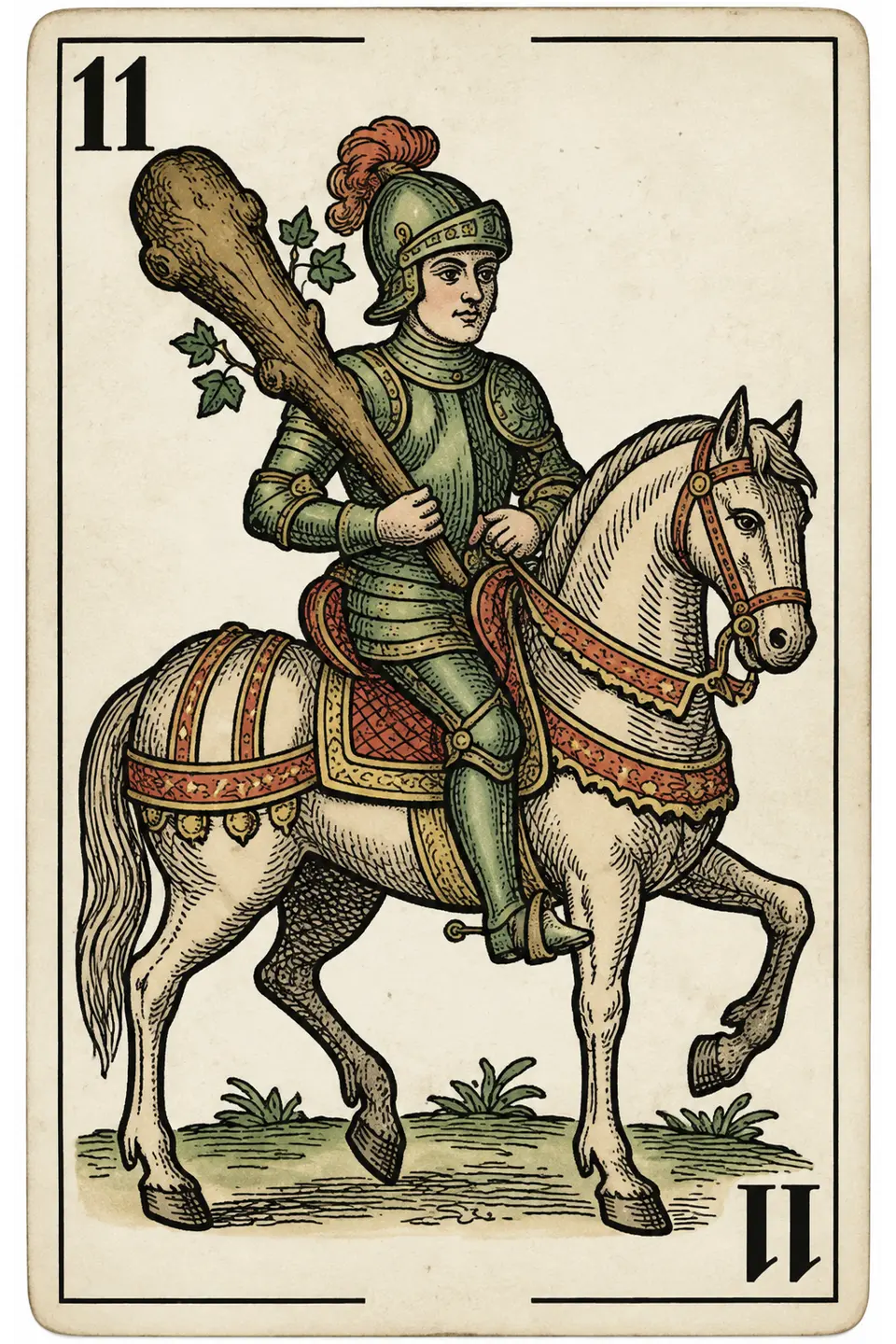
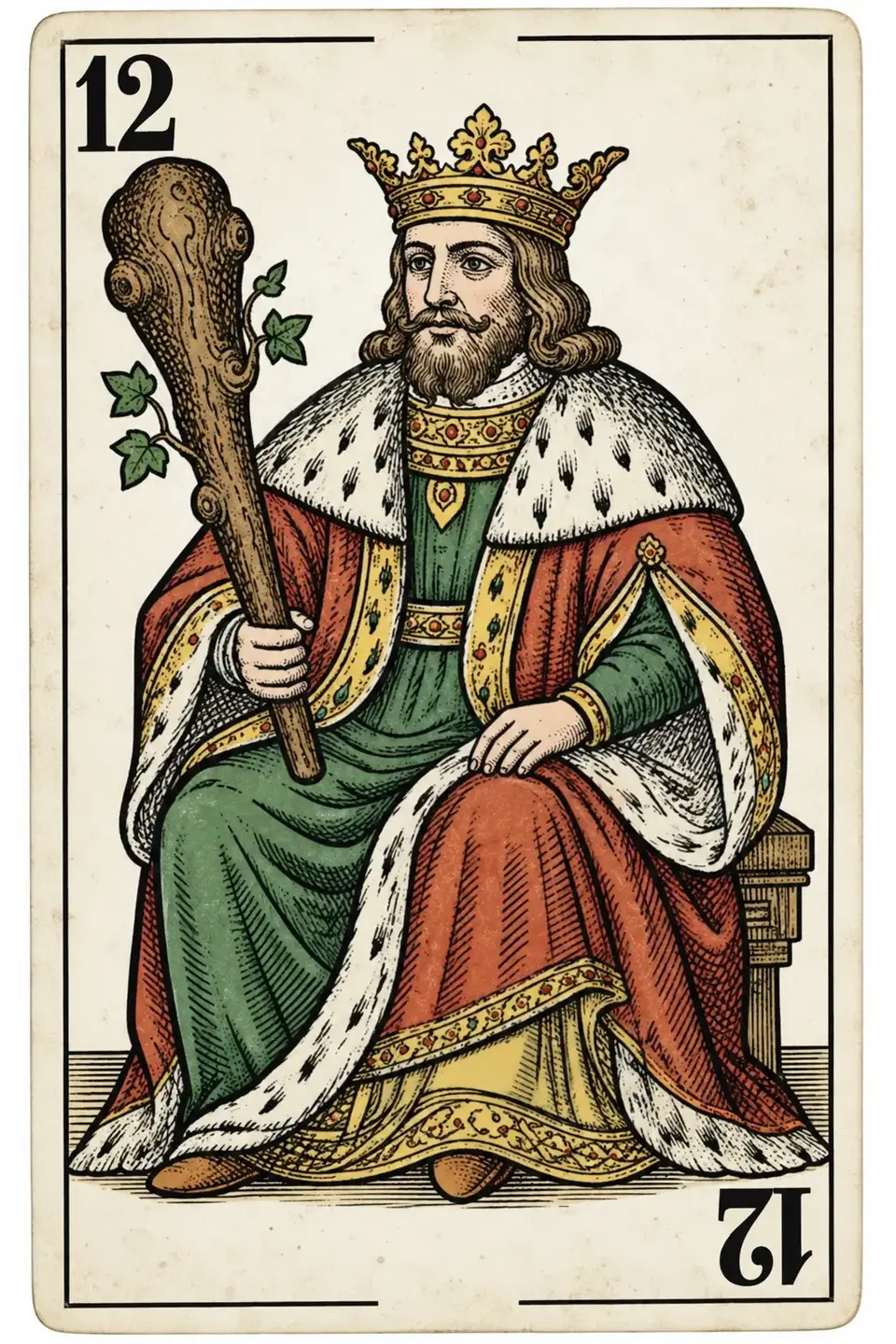
For centuries, making a Spanish-suited deck was a slow, intricate craft rather than a quick printing job. Today, a deck costs a few euros, thousands can be printed in a matter of hours, and getting ready to play is as simple as buying a box and opening it.
Long before modern printing presses, each card had to be designed, engraved, printed, coloured, and cut by hand. Behind every Sota [Knave], every Caballo [Knight], and every Rey [King] worked specialised artisans whose craft was so important that it came to be regulated in numerous Spanish cities.
The next time you hold a deck in your hands, it’s worth remembering that these very suits —Oros (coins) [Coins], Copas (cups) [Cups], Espadas (swords) [Swords], and Bastos (clubs) [Clubs]— have survived over six centuries thanks to the work of generations of 'naiperos' (cardmakers).
The First Cardmakers
We don't know exactly when playing cards arrived in the Iberian Peninsula, but there are documentary references from the late 14th century that show they were already a part of daily life. With their popularisation, a new profession also emerged: that of the 'naipero'.
The 'naiperos' were the artisans responsible for making and selling playing card decks. In many cases, they shared knowledge and tools with engravers, printers, and print sellers. In fact, during the 15th and 16th centuries, playing card manufacturing was closely linked to the world of graphic printing in general.
We know that in Zaragoza, a 'naipero' named Antón Inglés was already working in 1457, one of the oldest known references to this trade in Spain.
Before Modern Printing: Engraving the Deck on Wood
The first card sets were probably exclusive pieces made one by one. This was slow and expensive. When demand began to grow, artisans looked for a way to reproduce the designs more quickly.
The solution was woodcut printing.
The technique involved engraving the card design onto wooden blocks. Once the carving was finished, the block was inked and pressed against paper to obtain multiple copies of the same design. In the late 14th and throughout the 15th century, this system began to be regularly used for making playing cards.
Woodcut printing allowed for something revolutionary for the time: all cards in the same series maintained a consistent appearance. It was no longer necessary to draw each figure from scratch.
Cards Were Not Printed One by One
A widespread idea is to imagine an artisan making card after card. The reality was different.
Playing cards were printed on full sheets containing many cards at once. They were then cut to form the final deck. Some of these sheets have survived to our days and allow us to see how workshops of the era worked. The Museo Fournier houses a 15th-century Zaragoza sheet with twenty cards printed using woodcut, while the National Library preserves complete sheets of 16th-century Spanish playing cards, still uncut.
From the artisan's point of view, it was much more efficient to print a complete sheet than to make each card separately.
Colouring a Deck Was an Artisanal Job
Once the design was printed, one of the most laborious phases began: applying colour.
For a long time, cards were hand-painted. Colours helped to distinguish figures, highlight decorative elements, and give personality to each workshop. As expected, the result could vary slightly from one deck to another.
Over time, systems appeared to speed up the process. One of the most used was stencilling, with templates known in some documents as 'trepas'. These templates allowed each colour to be applied only to specific areas of the design. After one layer dried, the next template was placed to add another colour.
It was a much faster procedure than entirely hand-colouring, although it still required a great deal of work.
The Secret Was Also in the Paper
Medieval cards could not be made with just any paper.
If the material was too thin, light would pass through the card, and players could distinguish marks or figures from the back. To avoid this, thicker papers and sizing techniques were used to give the card body and opacity.
In fact, historical contracts exist that mention paper specifically manufactured for playing card production.
Durability was important: a deck was meant to pass from hand to hand during countless games.
Why Ancient Cards Were Not All Identical
Today, we expect two identical decks from a factory to be exactly the same. In the 15th and 16th centuries, this was not always the case.
Differences could appear during engraving, colouring, or cutting. Some figures showed small changes, tones varied slightly, and certain decorative details depended on the workshop that had produced the deck.
That's why ancient cards are so interesting to historians and collectors. They were not simply game objects: each one preserves traces of the artisan who made it.
A Trade with Its Own Identity
Playing card manufacturing became an important economic activity in several Spanish cities. Zaragoza, Barcelona, Valencia, Seville, and Valladolid frequently appear in historical documentation related to workshops, printers, and card merchants.
Over the centuries, production grew and specialised. What began as artisanal work eventually led to large factories capable of supplying entire markets, both in Spain and in America. The evolution of the deck itself consolidated formats such as the forty-card deck, whose history we explain in this article about the disappearance of the 8 and 9.
The Arrival of Industrial Production
From the 18th and 19th centuries onwards, new printing techniques completely transformed the trade. Lithography, mechanisation, and later industrial printing allowed decks to be produced with a speed and uniformity unimaginable for the ancient 'naiperos'.
However, many of the visual decisions made centuries earlier remained intact. The suits (Oros, Copas, Espadas, Bastos), the court cards, and much of the deck's structure survived the technological change.
The Legacy of Those Workshops
When we look at a modern Spanish-suited deck, it's easy to think it was always this way. But behind each card lie centuries of experimentation, engravers working on wood, freshly printed sheets drying in workshops, and artisans applying colours one by one.
Much of what we recognise today as a Spanish-suited deck originated in those medieval and Renaissance workshops. The same Oros, Copas, Espadas, and Bastos that appear on today's tables first passed through the hands of generations of 'naiperos'. If you want to see how some of these designs have evolved to the present day, you can take a look at The Ancient Deck, card by card.
And perhaps that is one of the reasons why they remain so familiar: they are not simply cards, but small pieces of history that have survived for over six hundred years. If you are interested in discovering different designs inspired by Spanish tradition, you can visit our collection of decks.