

Spanish deck
How modern playing cards are made
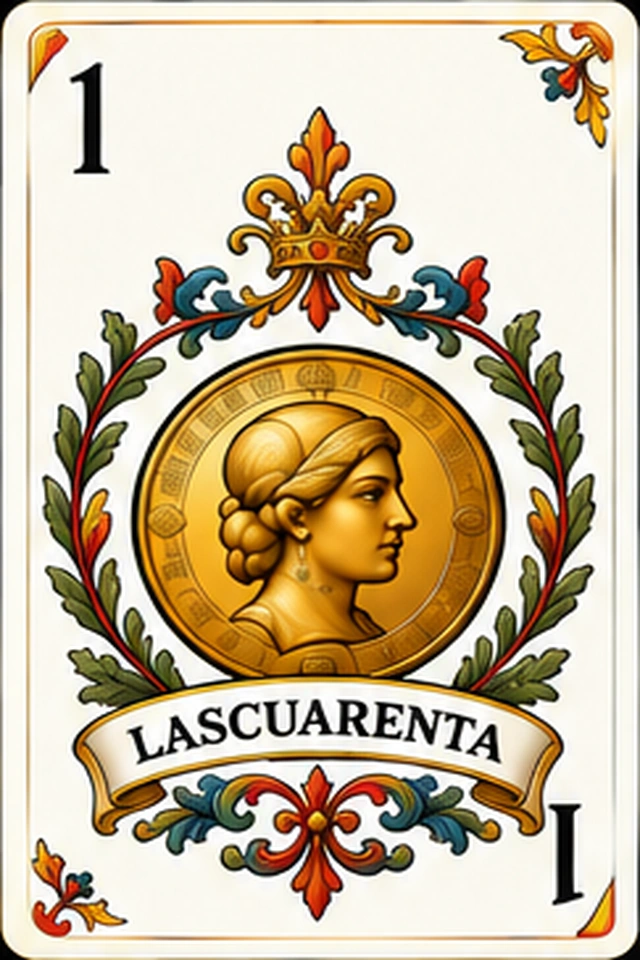
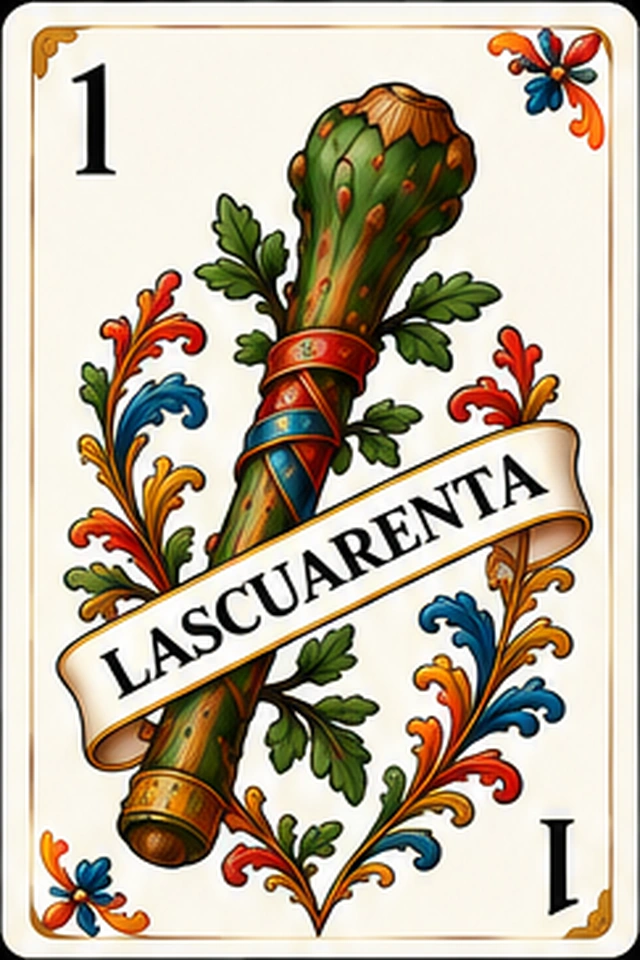
Modern playing cards are made from special multi-layered card stock with an opaque core that stops them being see-through. They are printed on large sheets and varnished to help them glide; then they are cut into individual cards, their corners are rounded, and they are sorted and packed.
1. The card stock
The secret is in the paper. Good-quality cards use card stock made from two sheets glued together with a dark or opaque layer in between. This means that even if you hold a card up to the light, you cannot see what is on the other side. In a pack of cards, that is what matters most.
2. The printing
Many cards are printed at once on large sheets, usually using four-colour offset printing. Every back must come out identical: even the slightest difference could let someone identify a card from the back.
3. The finish
A varnish or plastic coating is applied to protect the ink and help the cards slide smoothly when shuffled. Some manufacturers add very fine embossing to stop the cards sticking together.
4. Cutting, corners and checks
The sheets are cut into strips and then into cards. A machine rounds the corners, something we explain in why playing cards have rounded corners. Finally, the cards are sorted, checked to make sure none are missing and there are no extras, and packed.
A far cry from centuries ago
If you would like to compare this with the handcrafting methods of the past, read how the first playing cards were made in Spain. And for tips on looking after them, see how to care for a pack of cards.
Frequently asked questions
Why are playing cards not see-through?
Because the card stock has an opaque middle layer between two sheets.
Are playing cards made of plastic?
Most are made from varnished or plastic-coated card stock; packs made from 100% plastic are also available and are more durable.