

Spanish history and leisure
The arrival of modern entertainment in Spain
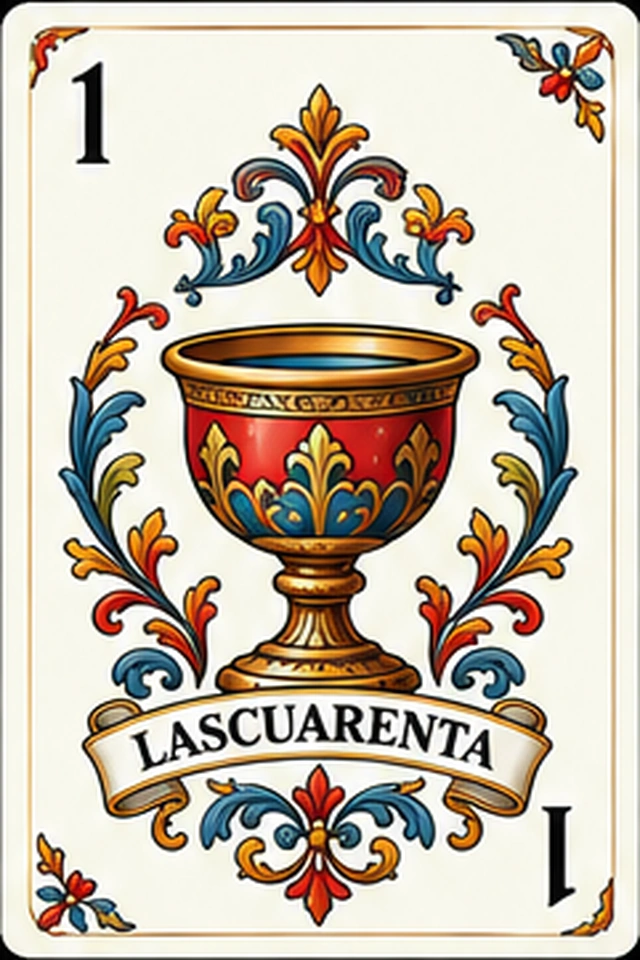
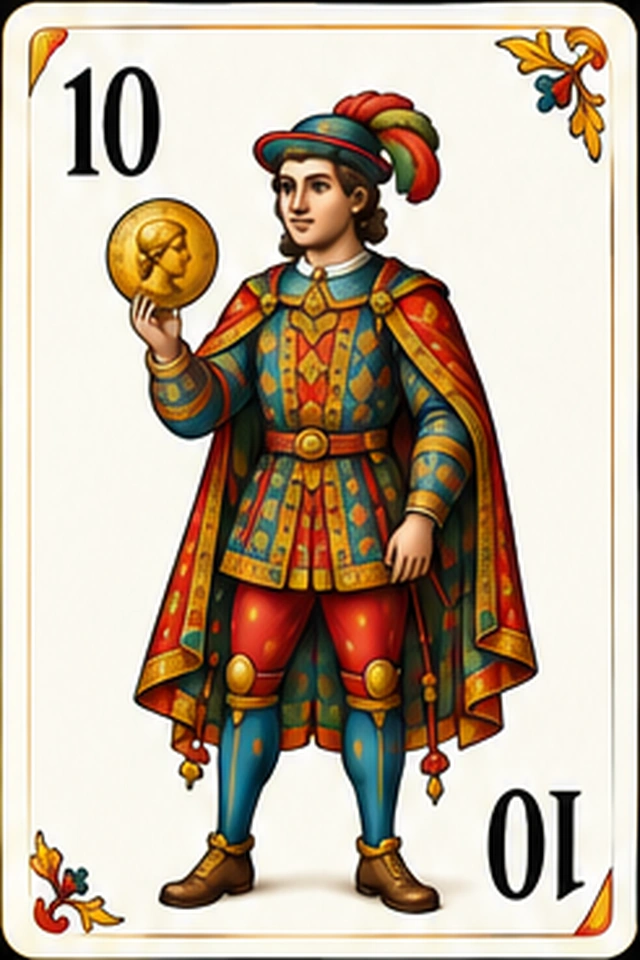
Between the late 19th and mid-20th centuries, leisure in Spain changed with the arrival of cinema (1896), football as a spectator sport, radio (the 1920s) and television (1956). Cards, dancing and religious pilgrimages were largely activities people took part in themselves, now joined by new ways to enjoy entertainment as spectators.
Cinema
The first film screenings in Spain took place in 1896. Within a few decades, almost every town and village had its own cinema or open-air screenings in summer.
Football and sport
The major clubs were founded in the early 20th century, and football became a talking point in bars and social clubs, alongside the usual game of cards.
Radio
From the 1920s onwards, radio brought music, news and serial dramas into homes, with families listening together.
Television
It arrived in 1956 and spread through households in the 1960s. It changed after-meal gatherings and evenings. We explore this in the cinema and television revolution.
And what about cards?
They held their own. The traditions of lingering at the table after a meal and village card games lived on, and today many people are rediscovering them online. We look back in the pastimes that disappeared.
Frequently asked questions
When did cinema arrive in Spain?
The first film screenings took place in 1896.
When did television begin in Spain?
Regular broadcasts began in 1956.