

Spanish history and leisure
Sobremesa in Spain: the story of a much-loved tradition
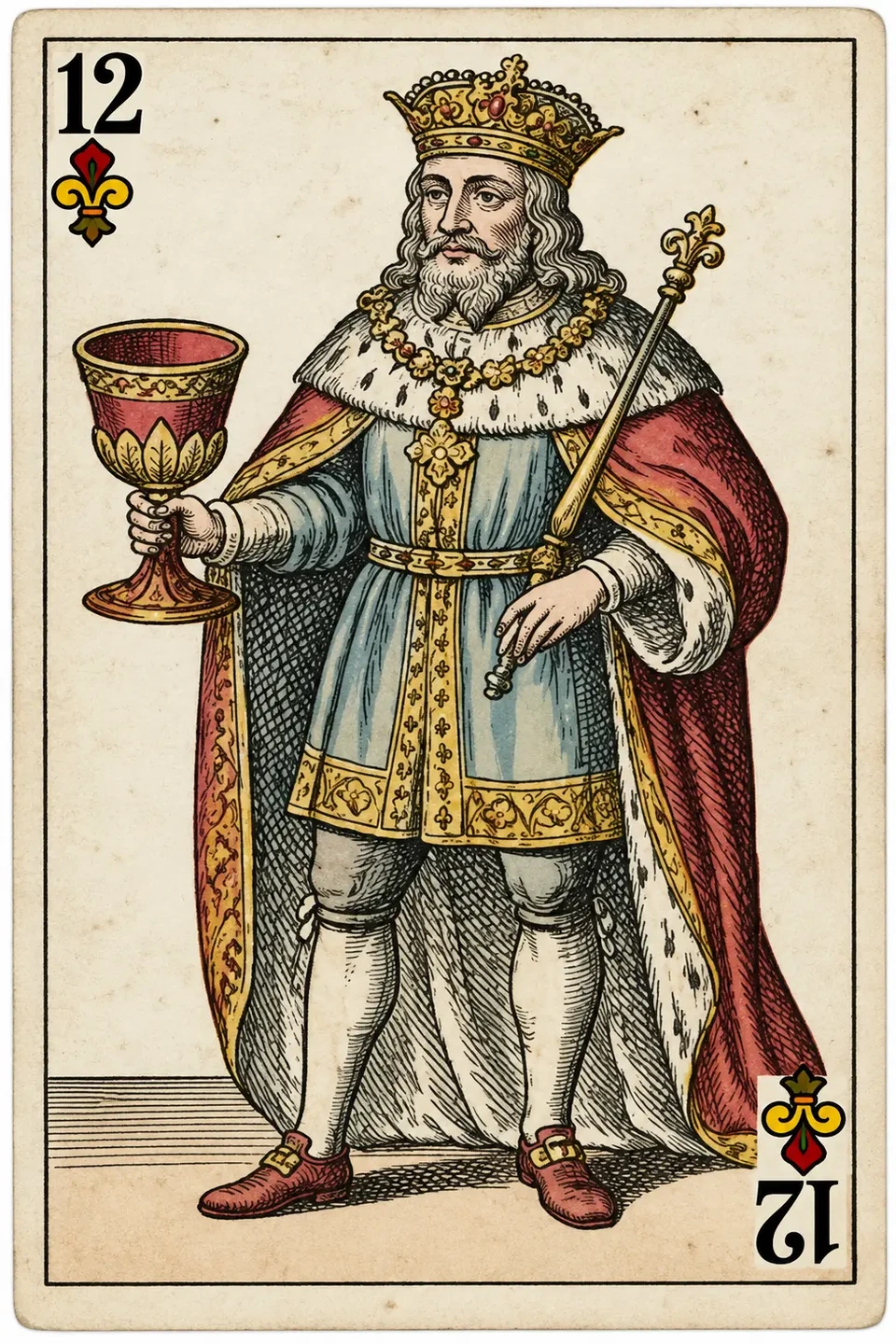
Sobremesa means staying at the table after a meal to carry on chatting over a coffee or a drink. Deeply rooted in Spain, this tradition has led to family card games for generations.
A word that’s hard to translate
Other languages have no exact word for it: it usually takes a phrase to explain. That alone says a lot. In Spain, eating isn’t just about nourishment; it’s a social occasion, and getting up as soon as you’ve finished dessert can even seem impolite.
Why it lasts so long here
Later mealtimes play a part, as does a climate that encouraged people to wait for the heat to ease and, above all, the tradition of eating together as a family on Sundays and holidays. For many years, there was also no television to switch on, so conversation and games filled the afternoon.
A pack of cards, the regular guest
In many homes, after coffee, someone would say, ‘Fancy a game?’ and out would come the cards. Chinchón (a rummy-style game) for the whole family, Brisca (a trick-taking game) with the grandparents, and Mus (a bluffing card game) for those who took it seriously. We talk about this in how our grandparents entertained themselves.
Sobremesa today
It’s still going strong, though sometimes at a distance. Some families, spread across different cities, arrange to meet online for a game after lunch. It’s not quite the same as playing on the card-table cloth in the living room, but the essence remains: spending a little longer together.
Sources
Frequently asked questions
What is sobremesa?
The time spent at the table after a meal, chatting or playing games.
Which card games are typically played during sobremesa?
Chinchón, Brisca, Tute (a trick-taking game) and Mus are among the most common.