

Spanish history and leisure
Charles III, Monopolies and Card Smuggling
In the 18th century, the Spanish Crown held a state monopoly (estanco) on making and selling playing cards. Under Charles III, this system was reorganised and the Macharaviaya factory was established to supply the Americas. The high price of official decks led to a sharp rise in smuggling.
Why a monopoly?
Because playing cards were incredibly popular and generated a lot of money. Just like with tobacco or salt, the Crown decided to keep the business for itself. Every deck sold was revenue for the State.
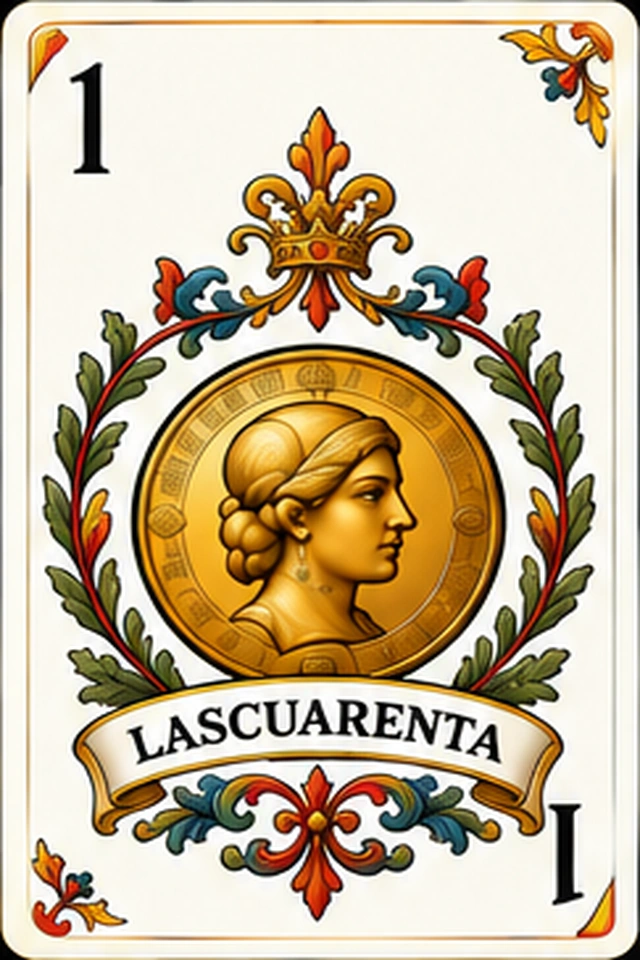
The As de Oros (coins) [Ace of Gold coins] as a seal
To distinguish legal decks, official marks were used, almost always on the As de Oros. That is why this card remains the manufacturer's "signature" today, as seen with the Fournier As de Oros.
Smuggling
Decks manufactured in France, Portugal, or in clandestine workshops entered through ports and borders. In the Americas, where official ones arrived late and at a high price, smuggling was almost the norm. Authorities pursued and burned illegal decks, but they never managed to stop it. You can find more stories like this in forbidden and censored cards.
Frequently asked questions
What was the card monopoly (estanco de naipes)?
A system where only the Crown, or those it authorised, had the legal right to manufacture and sell playing cards.
How could you tell if a deck was legal?
By official markings and stamps, usually found on the As [Ace] of Oros (coins) [Gold coins].