

Playing cards
The Royal Playing Card Factory of Macharaviaya
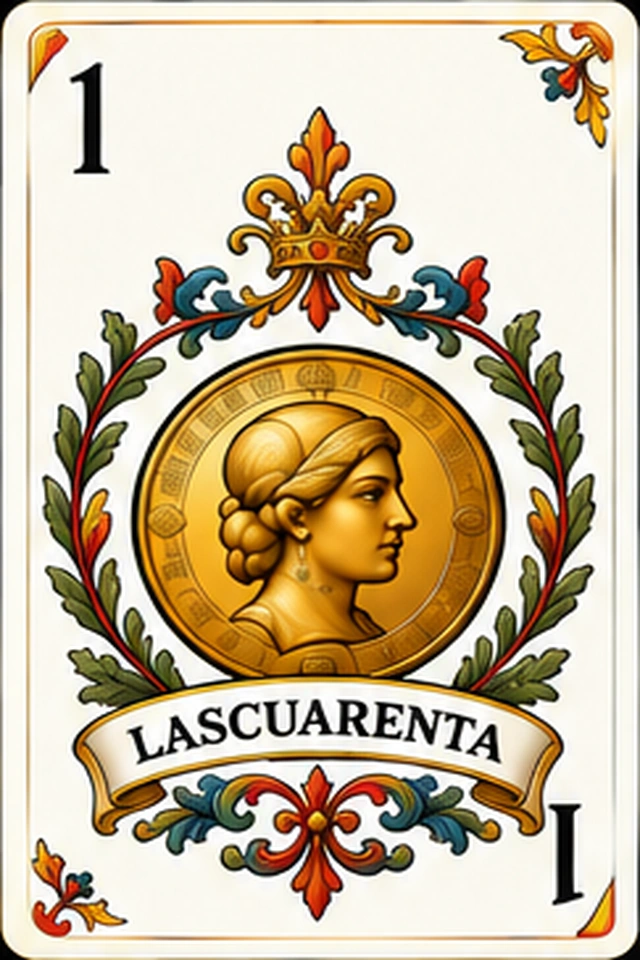
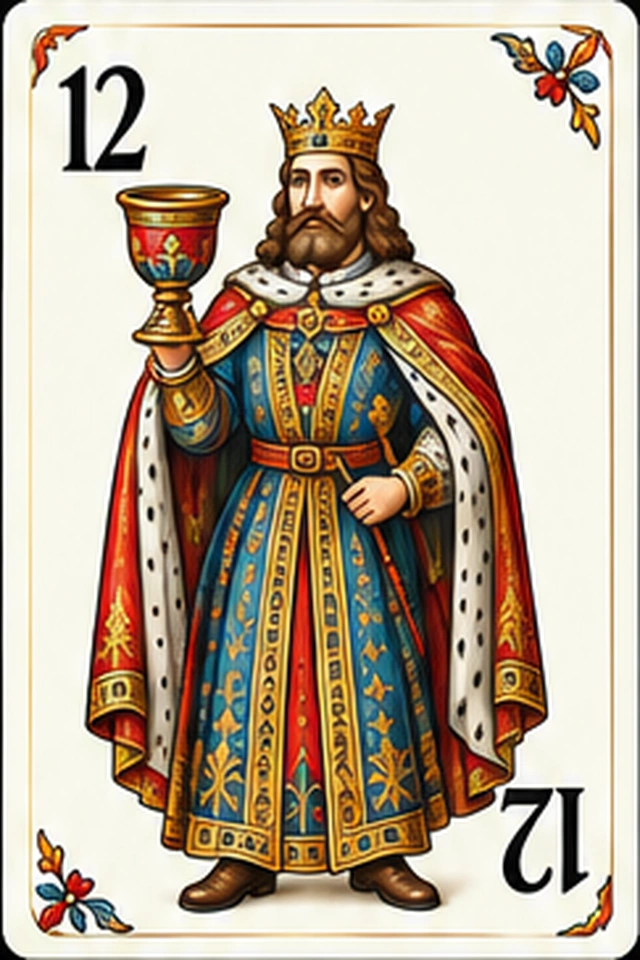
Founded in 1776 in the small village of Macharaviaya, in Málaga’s Axarquía region, the Real Fábrica de Naipes (Royal Playing Card Factory) held a monopoly on decks sent to the Americas and the Philippines. The local Gálvez family promoted the factory, which was managed by the Genoese entrepreneur Félix Solesio. It closed around 1815, following the war and the independence of the viceroyalties.
Why there?
Because of the Gálvez family. José de Gálvez was the Minister of the Indies under King Carlos III and wanted to bring prosperity to his birthplace. He ensured the installation of the factory that would supply playing cards to the entire empire. Macharaviaya became known as "Little Madrid".
How it worked
Millions of cards were printed each year, which were transported down to Málaga and shipped to Cádiz and the Americas. It was meticulous work involving paper, printing plates, colours, and strict controls to prevent counterfeiting. You can read about its director in Félix Solesio and Macharaviaya.
The end
The Peninsular War, smuggling, and the independence of the American colonies left the factory without a market. Today, the memory remains of a village that, for several decades, produced the cards played with by half the world. Follow the story in the playing cards from Málaga that travelled to America.
Frequently asked questions
When was the Macharaviaya factory founded?
In 1776, during the reign of King Carlos III.
Can it be visited today?
Remnants of the building still stand and the village preserves its history; it is advisable to check with the local town hall for available tours.