

Playing cards
The Spanish deck in the Philippines
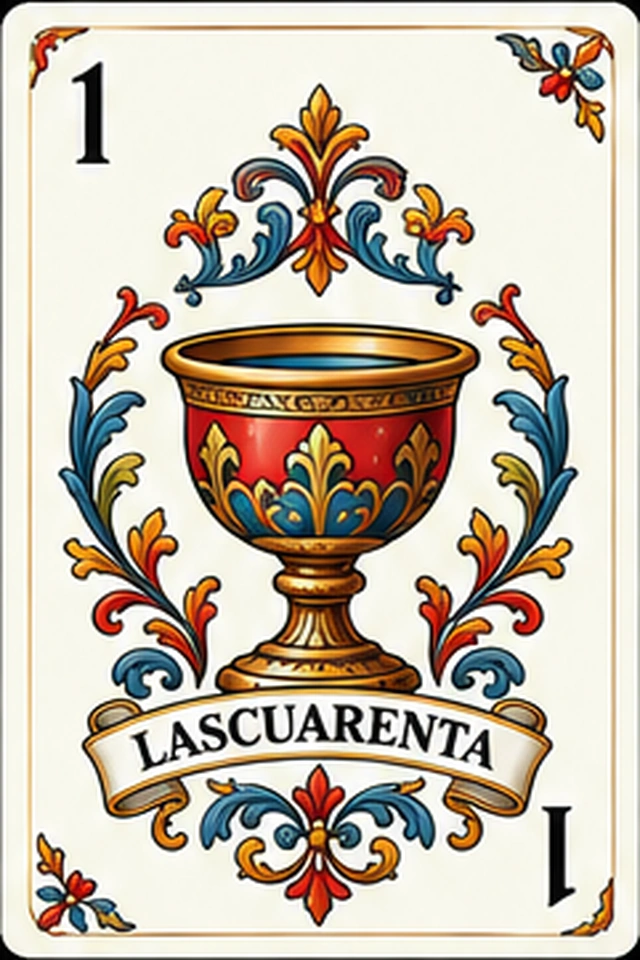
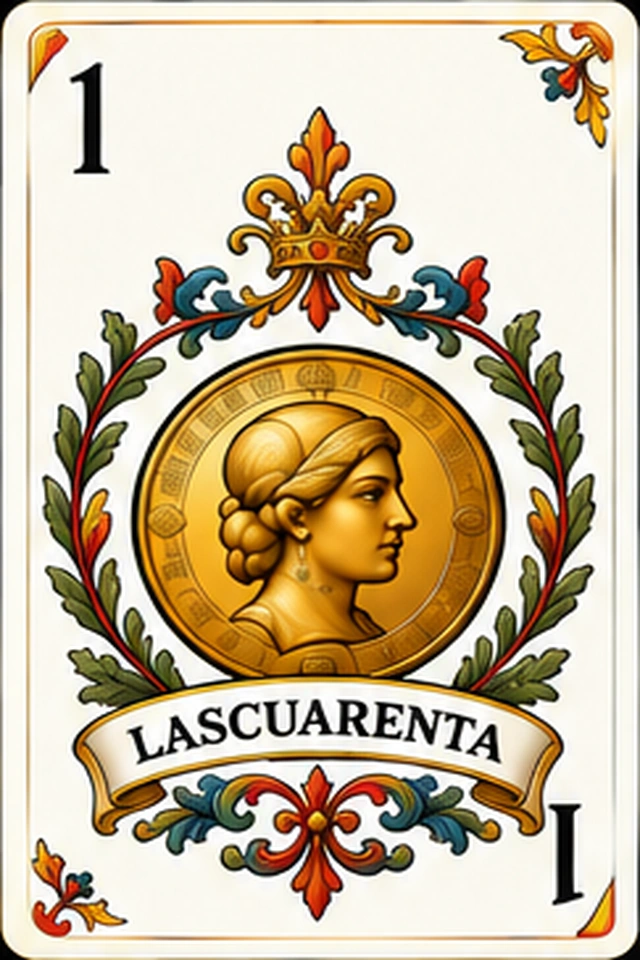
The Spanish deck reached the Philippines during more than three centuries of Spanish presence, mainly through trade with Mexico via the Manila Galleon. Its legacy lives on in games such as Panguingue (pan), from the same family as Conquián (conquian), and in some gaming terms still heard on the islands.
The cards’ journey
During the 18th century, playing cards bound for the Americas and the Philippines came from one particular factory: the Royal Playing Card Factory of Macharaviaya, in Málaga, which held the monopoly. The decks crossed the Atlantic, travelled across Mexico and were loaded onto ships again, bound for Manila.
What remained
The best-known game is Panguingue, a game of combinations played with several Latin-suited decks. It travelled with Filipino workers to Hawaii and California, where it still has a following.
There are traces in the language too: words such as ‘baraja’ (deck of cards) and the names of the suits are recognisable in several languages of the archipelago.
And today?
As in much of the world, the French-suited deck is now the most common in the Philippines. But the history of the Spanish deck there is further proof of just how far our four suits travelled.
Frequently asked questions
Are Spanish decks used in the Philippines?
French-suited decks predominate today, but the Spanish deck left behind games and words that still survive.
What is Panguingue?
A game of combinations in the Conquián family, very popular in the Philippines and Hawaii.