

Playing cards
The playing cards from Málaga that travelled to the Americas
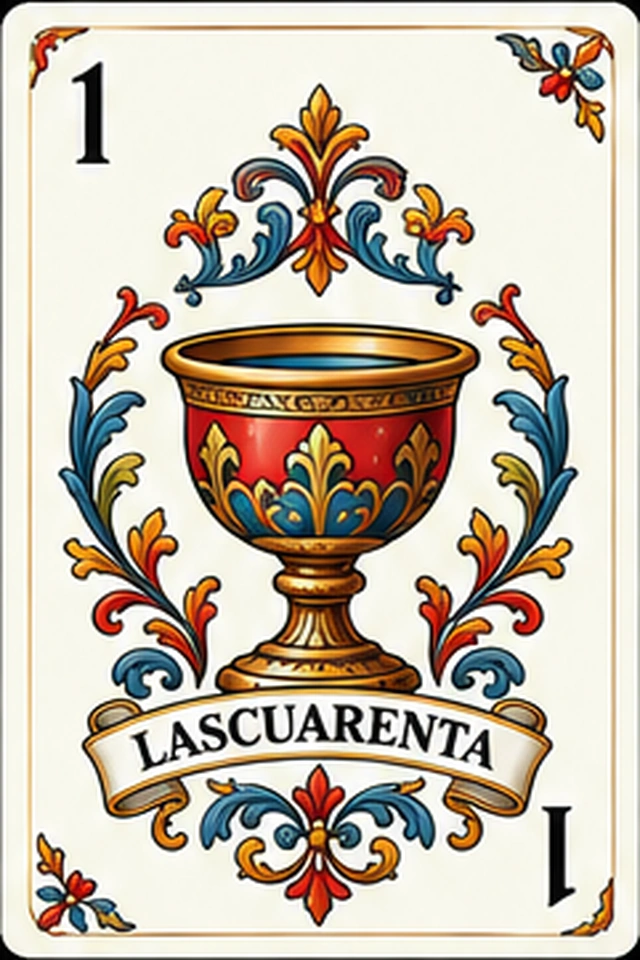
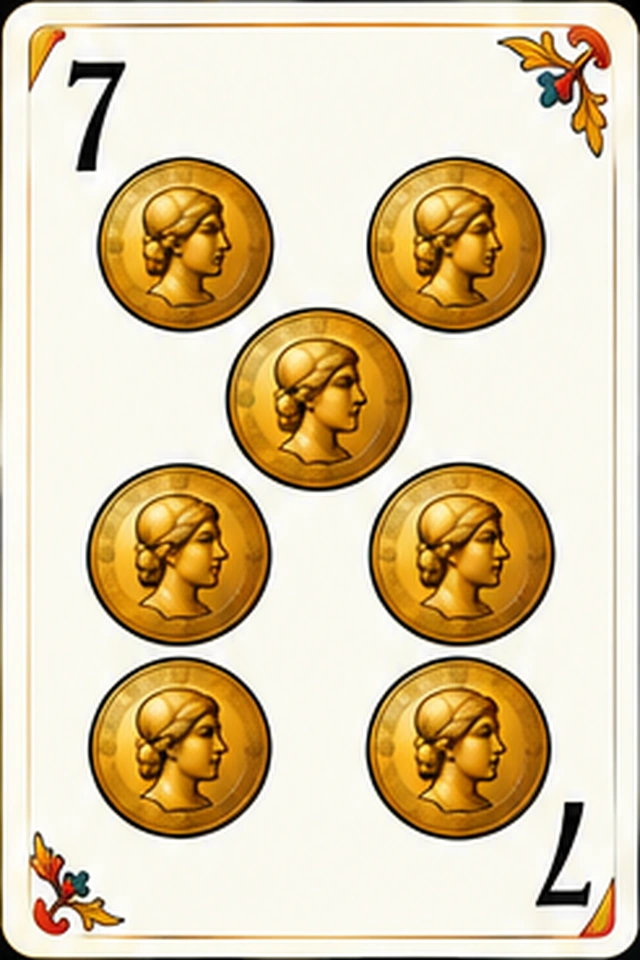
From the late 18th century, the Royal Playing Card Factory in Macharaviaya had exclusive rights to supply packs of cards to the Americas. Its cards travelled down from the village to Málaga, then by boat to Cádiz, before crossing the Atlantic to the viceroyalties; some even reached the Philippines.
A long journey
First came a journey by mule along the roads of the Axarquía, then a coastal boat trip, and finally a voyage aboard ships bound for Veracruz, Cartagena de Indias or Buenos Aires. Some packs continued to Manila on the galleon. We tell that story in Spanish playing cards in the Philippines.
Why such tight control?
Because selling playing cards was a Crown business: every pack brought money into its coffers. That was why making them in the Americas was forbidden, and anyone selling cards without an official stamp was pursued. We explain more in Charles III, monopoly and smuggling.
Their lasting legacy
Those packs helped establish games in the Americas that remain popular today, such as Truco (a bluffing card game), Brisca (a trick-taking card game) and Conquián (a rummy-style card game). We trace the full journey in how Spanish playing cards travelled to the Americas.
Frequently asked questions
Why were packs of cards for the Americas made in Spain?
Because the Crown held the monopoly and only allowed official playing cards to be sold in its territories.
Did all the packs of cards arrive legally?
No: playing-card smuggling was a constant problem.