

Playing cards
How Spanish playing cards travelled to the Americas
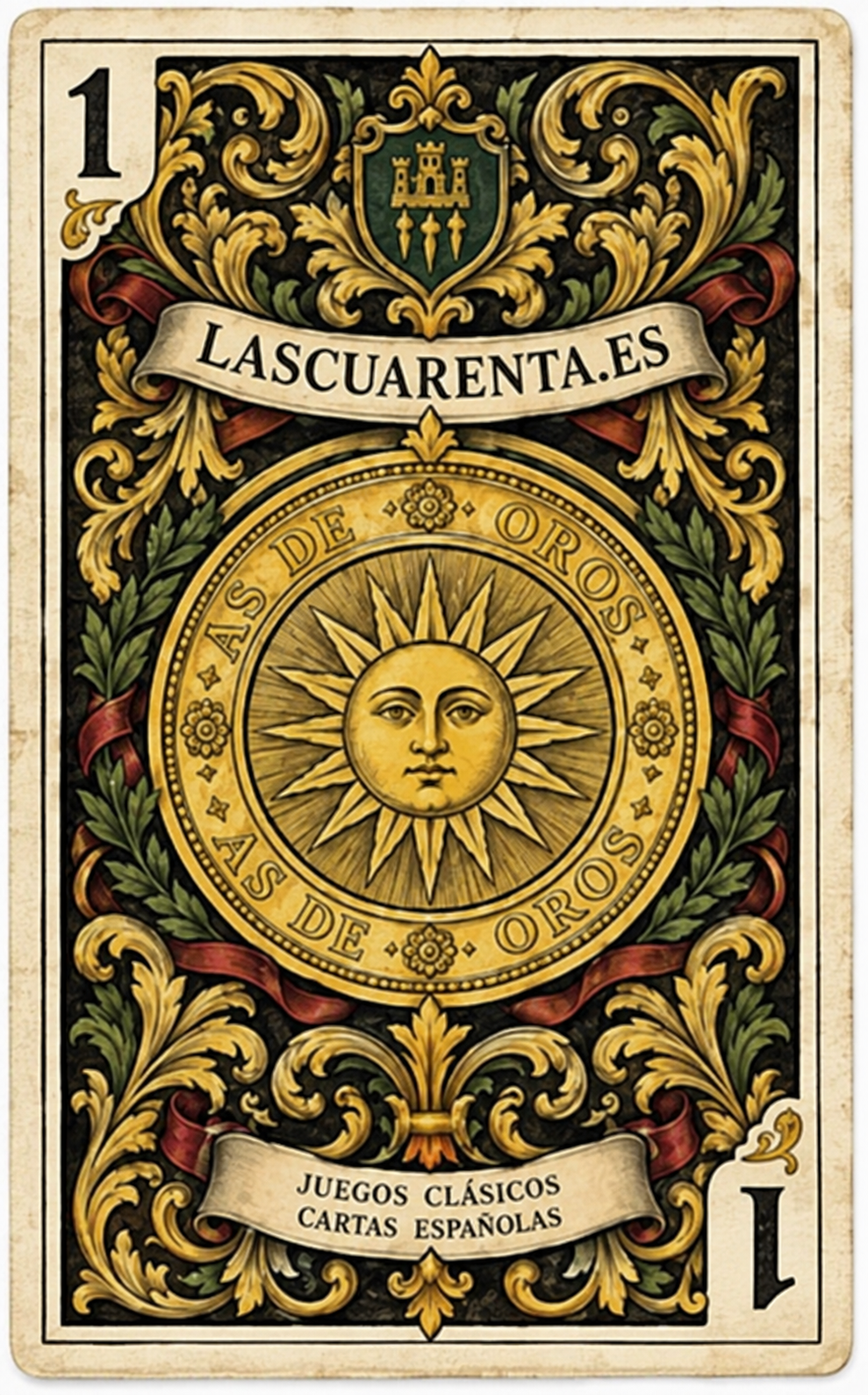
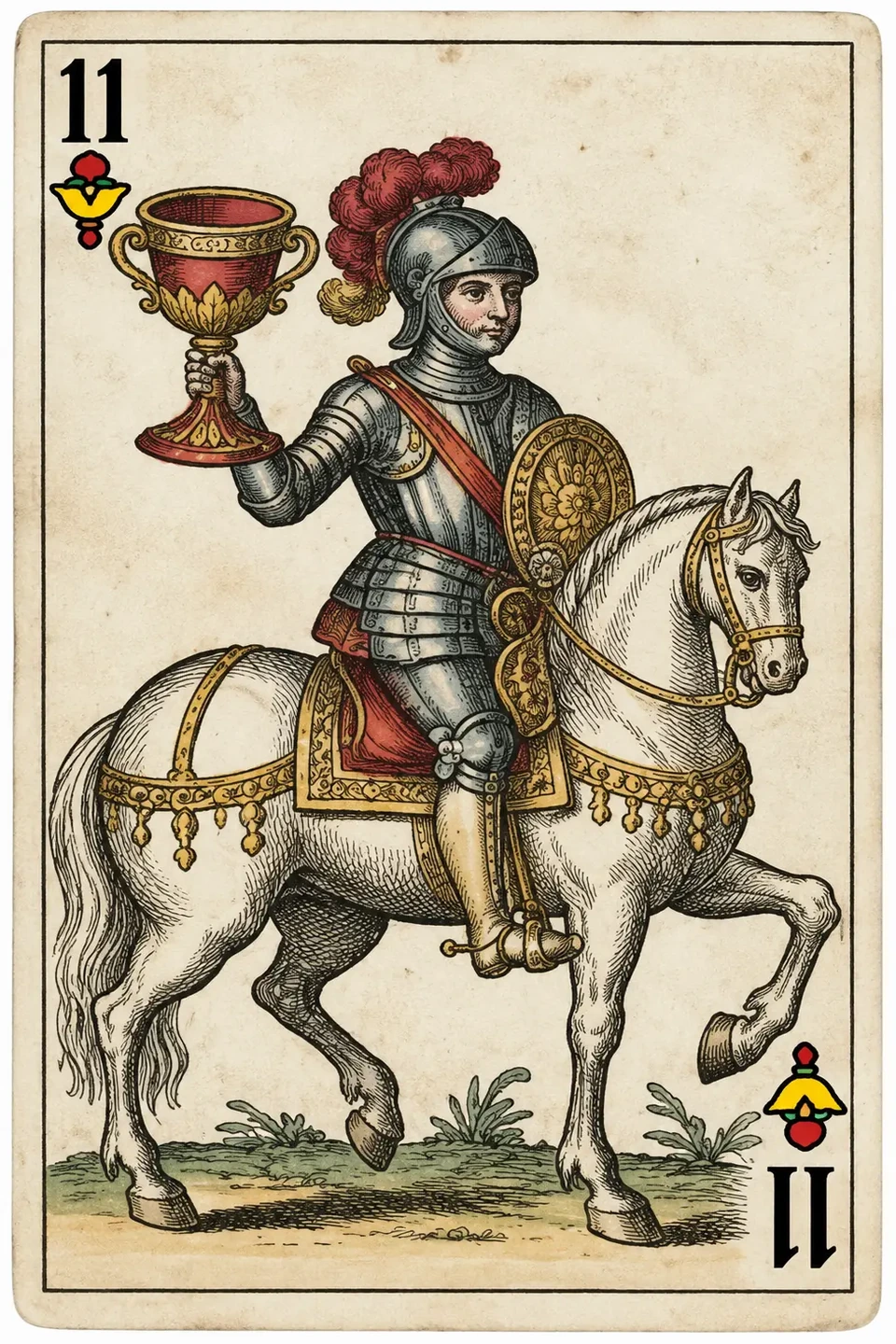
Spanish playing cards travelled to the Americas with sailors and soldiers on the earliest voyages of the 15th and 16th centuries. During the viceregal period, the Crown controlled their manufacture and sale. Today, the Spanish deck remains very popular in countries such as Mexico, Argentina, Uruguay and Chile.
The first playing cards
Chroniclers mention soldiers playing cards during the crossing and in their camps. There are even accounts of some making cards from leather when they had no paper.
The monopoly
The Crown controlled the production and sale of playing cards in the viceroyalties because they were a good source of tax revenue. Something similar happened on the Iberian Peninsula, as we explain in the history of the As de Oros (Ace of Coins).
Games across the Atlantic
Truco (a bluffing card game) has a huge following in Argentina and Uruguay, as do Brisca (a trick-taking card game) in many countries and Tute (a trick-taking card game). Many are cousins of the games played in Spain, much like their Italian cousins.
A shared deck
The Spanish deck brings together players on both sides of the ocean. Today, thanks to online play, they can sit at the same table. We explore this in playing with friends online.
Frequently asked questions
When did playing cards reach the Americas?
With the earliest Spanish voyages, in the late 15th century and during the 16th century.
Where in the Americas is the Spanish deck used today?
In many countries, including Mexico, Argentina, Uruguay and Chile.