

Playing cards
Macharaviaya and the playing card industry: what remains today
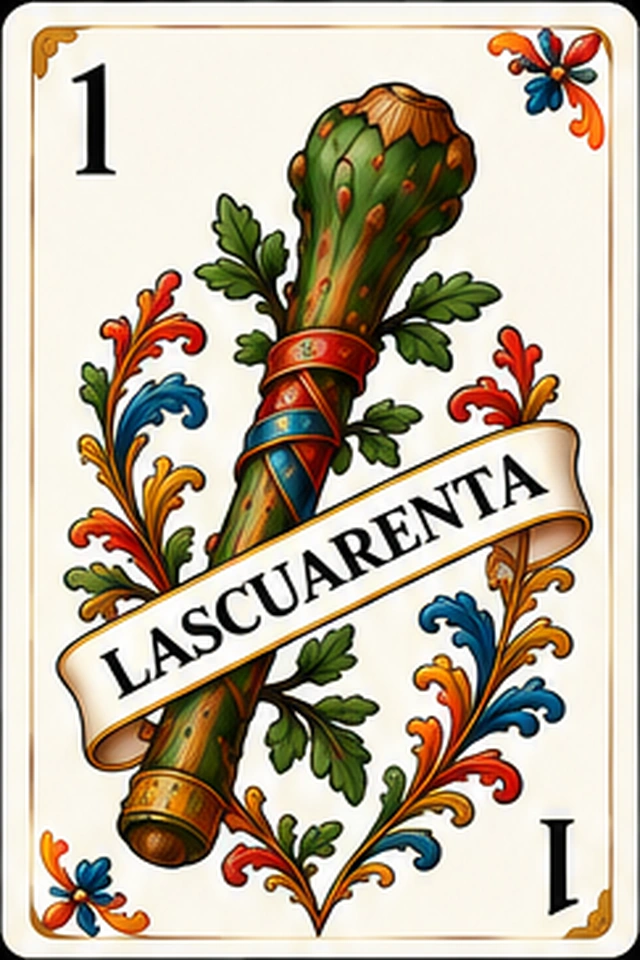
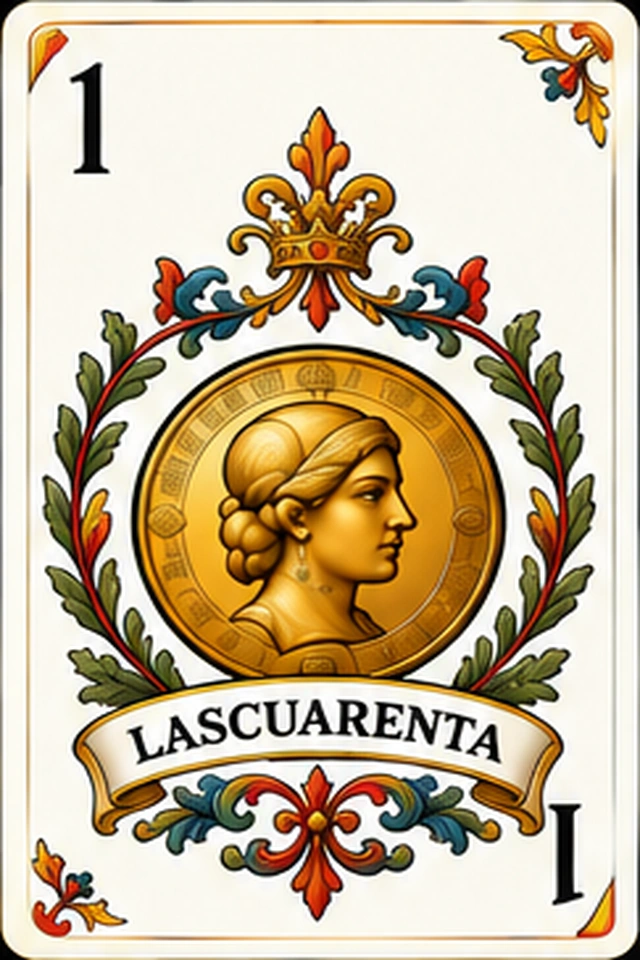
Macharaviaya’s heritage preserves the memory of the playing card factory that made it an unusual Spanish industrial centre in the 18th century. Today, it is one of Málaga’s smallest villages, but the Gálvez family once transformed it into ‘little Madrid’.
A village and a family
The Gálvez family were hugely influential: José de Gálvez was Minister of the Indies, and his nephew Bernardo de Gálvez played a prominent role in American independence. Their support brought the Royal Playing Card Factory, cobbled streets and a church with a family vault to the village.
What the factory did
It employed many villagers and people from the surrounding area to prepare the paper, print, colour, cut and pack the cards. This was industry in the heart of the countryside, something extremely rare at the time. Its director was Félix Solesio.
What remains
Parts of the building survive, and its memory lives on in local history. Reproductions of those decks are now available for collectors, and examples from the period can be seen in playing card museums. If you’re passing through the Axarquía, it’s well worth a visit.
Frequently asked questions
Where is Macharaviaya?
In the Axarquía, in the province of Málaga, a few kilometres from the coast.
Why was it called little Madrid?
Because of the influence of the Gálvez family, who brought building projects, a royal factory and a notable church to the village.