

Spanish deck
Why are the sota (jack), caballo (knight) and rey (king) numbered 10, 11 and 12?
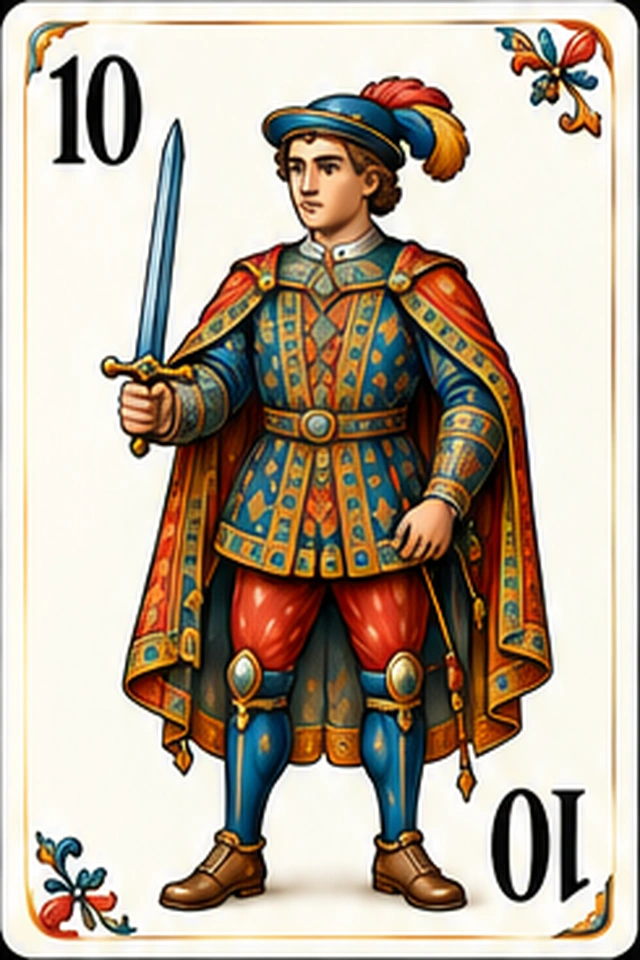
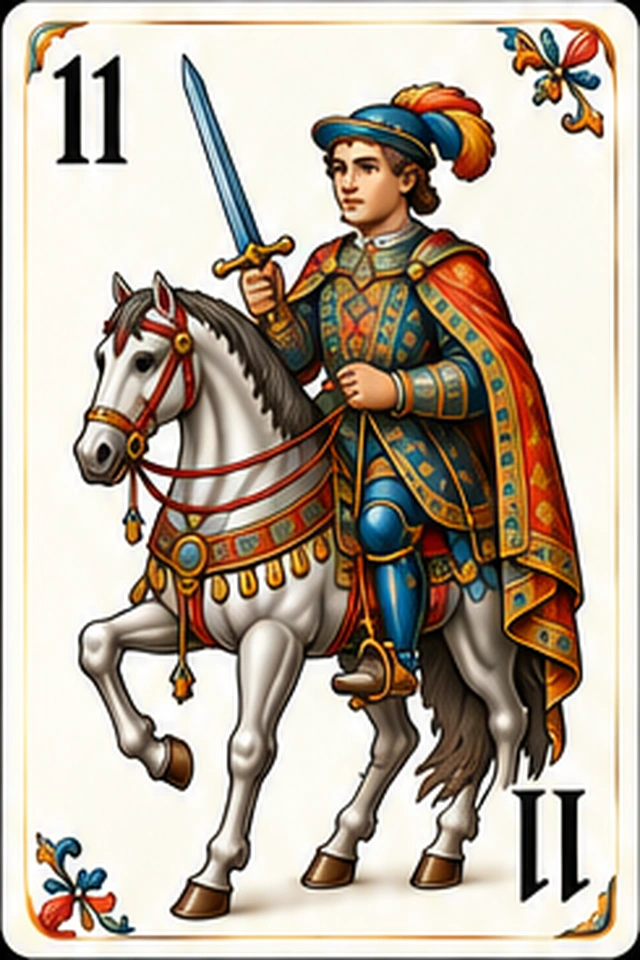
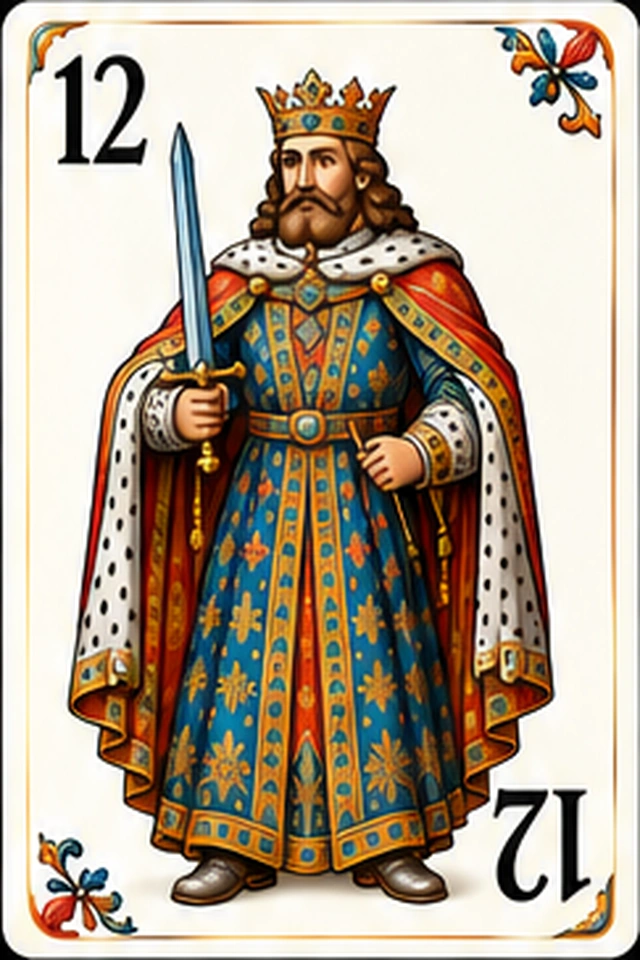
The sota (jack), caballo (knight) and rey (king) are numbered 10, 11 and 12 because, in the full 48-card Spanish deck, they follow the cards numbered 1 to 9 in each suit. When the 40-card deck became popular, the eights and nines were removed, but the court cards kept their original numbering.
The missing cards
The 48-card deck still exists and is used in games such as Butifarra (Sausage). But for Tute, Mus or Guiñote, the eights and nines are taken out. We explain why in why the Spanish deck has no eights or nines.
A card’s number is not its value
One important detail: 10, 11 and 12 indicate the cards’ position in the sequence, not their points value. In Tute, the sota is worth 2 points, the caballo 3 and the rey 4. In Escoba (Sweep), however, they are worth 8, 9 and 10. And in Siete y Media (Seven and a Half), they are worth half a point each.
A handy reminder
This little ‘jump’ is what confuses many beginners when they arrange their hand. If it happens to you, remember: after 7 comes 10. You’ll find more interesting details in what sota, caballo and rey mean.
Frequently asked questions
Is the sota (jack) worth 10 points?
It depends on the game. The 10 only indicates its position in the sequence; in Tute, for example, it is worth 2 points.
Are there decks with a numbered ten?
Yes, there are 52-card decks that include a ten, but they are uncommon.