

Spanish deck
Why is the number 1 card called the as (ace)?
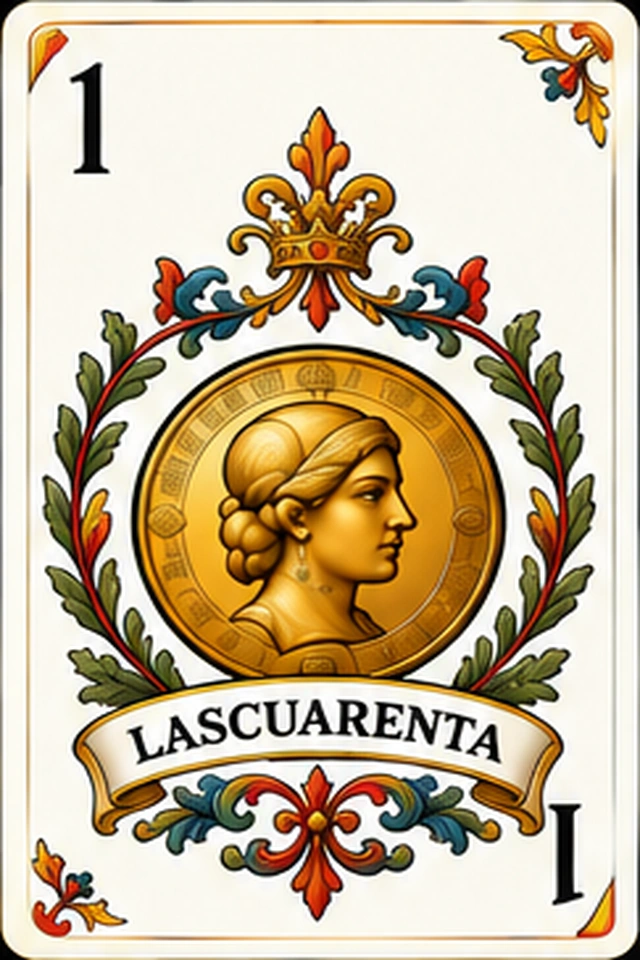
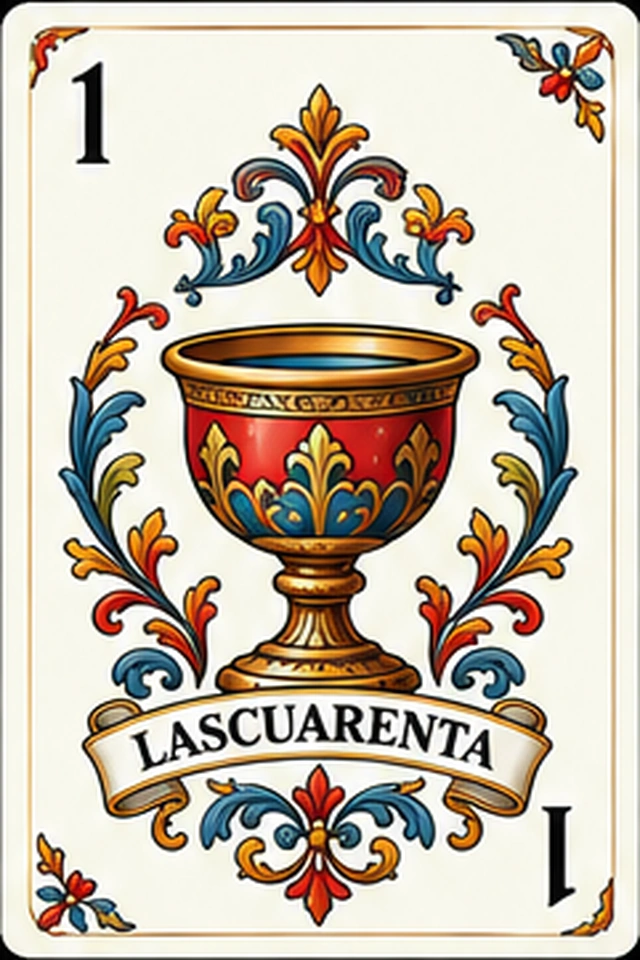
The number 1 card is called the as (ace) because its name comes from the Latin as, a Roman bronze coin that was also the basic unit of weight. Since it meant ‘one’, the word first came to mean the face of a die with a single pip, and later the number one card in a pack.
From coin to die
In Rome, the as was the unit: the simplest coin and the standard weight. So when someone rolled a one with dice, they said they had rolled an as. You can read more about this in who invented dice and in the history of coins.
From die to card
When playing cards arrived in Europe, the card with a single suit symbol inherited the name. That gave us the as de oros (ace of coins), the as de copas (ace of cups), the as de espadas (ace of swords) and the as de bastos (ace of clubs).
The one that outranks the king
The curious thing is that the ‘smallest’ card ended up being the most important in many games. In Tute (tute) or Guiñote (guinote), it is worth 11 points and beats all the others. We explain this in why the ace ranks higher than the king. And if you want to get to know all four, take a look at the aces in the Spanish pack.
Frequently asked questions
What was the Roman as?
A bronze coin and also a unit of weight.
Why is the ace worth so much in many games?
It is a convention of each game: in Tute or Guiñote, it is the highest-ranking card.