

Game objects
History of coins: from bartering to the gold of the deck
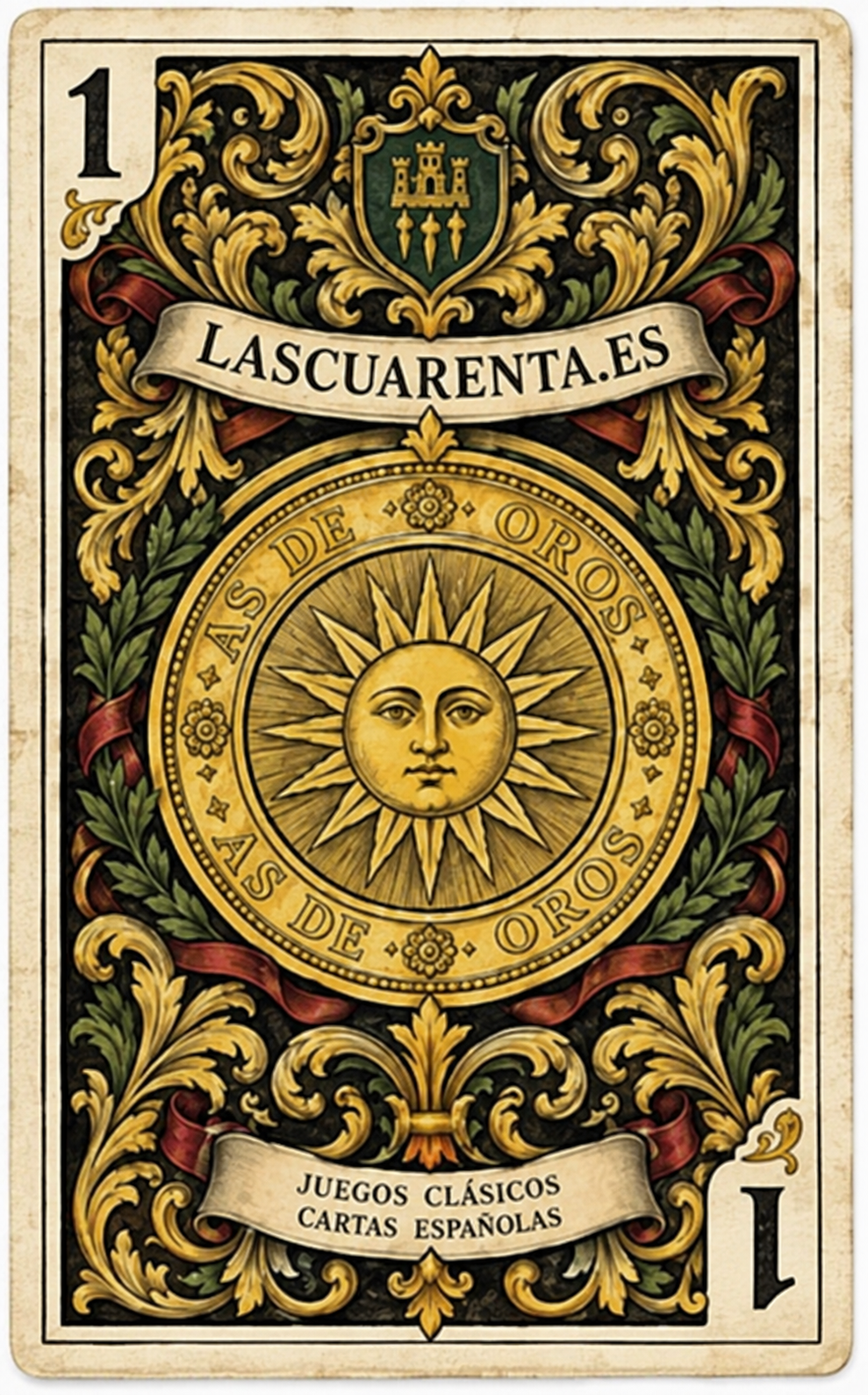
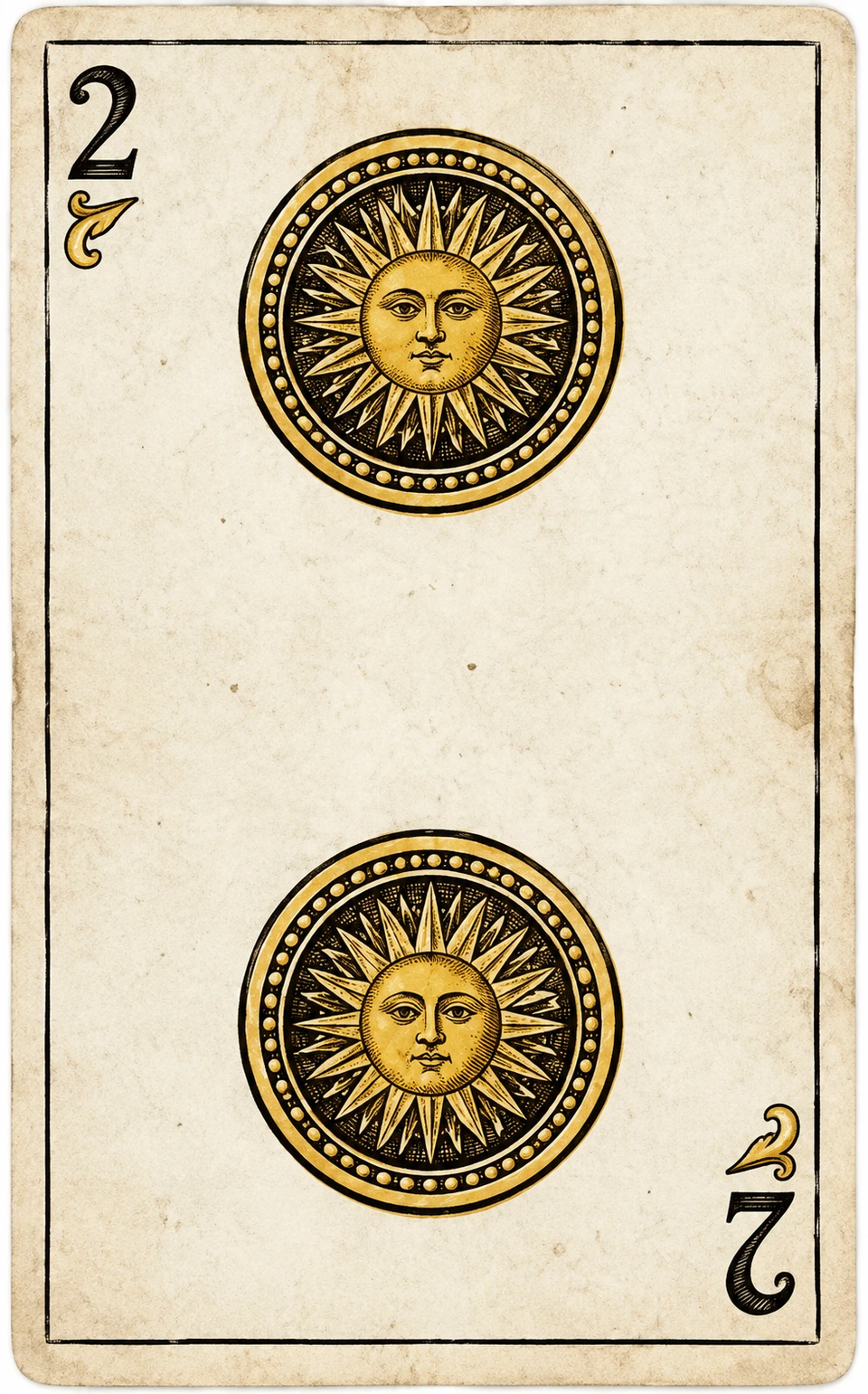
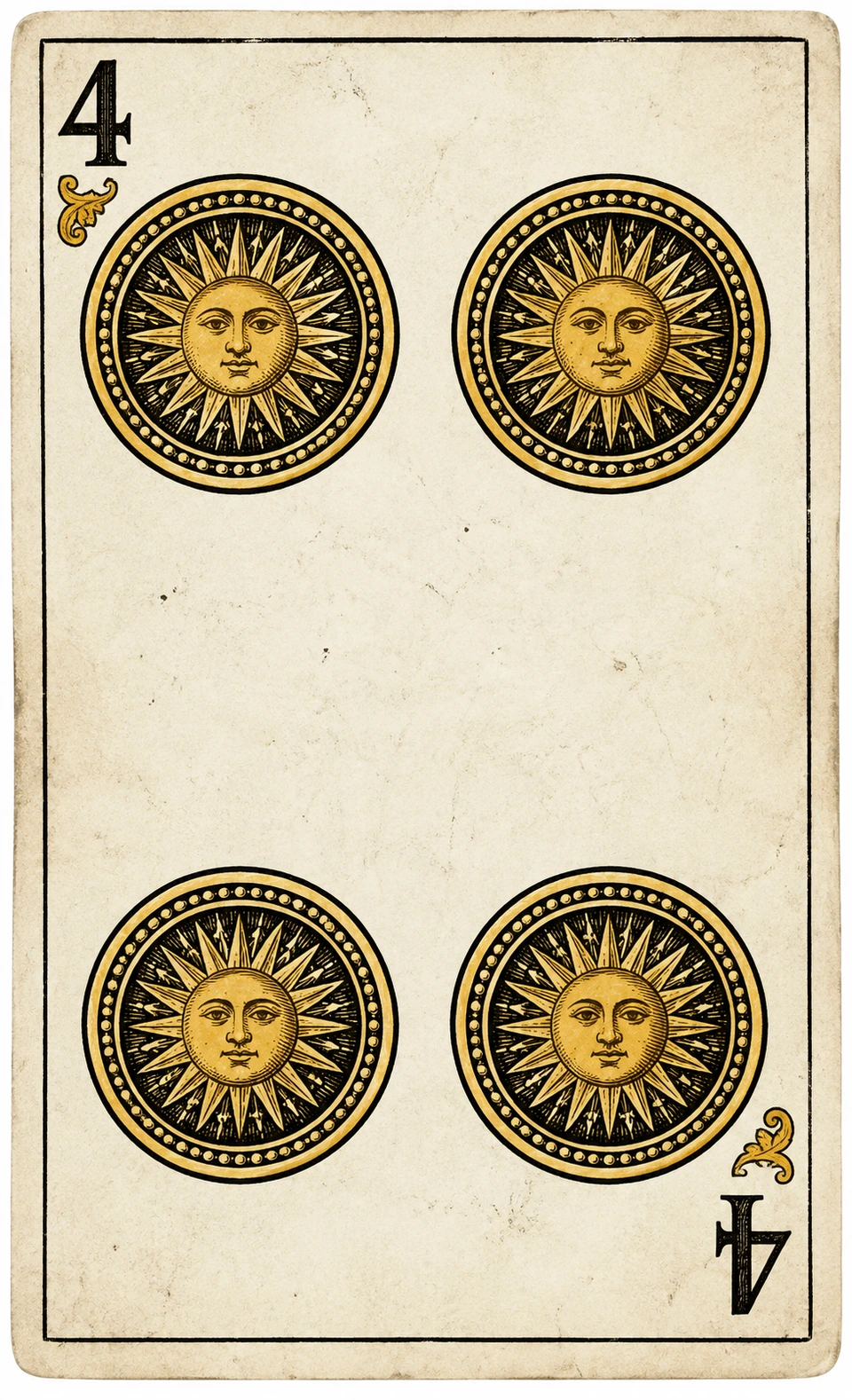
The first known coins were minted around the 7th century BC in Lydia, in modern-day Turkey, from electrum, an alloy of gold and silver. Over time, coins have served as money, art and propaganda, and have also found a place in the Spanish deck as the Oros (Gold coins) suit.
Before coinage
For thousands of years, people traded via bartering or using objects of accepted value: salt, shells, or metal by weight. The problem was always the same: weighing and checking the quality during every purchase.
The great idea from Lydia
The Lydians stamped a seal onto pieces of a fixed weight. The seal guaranteed the value, meaning weighing was no longer necessary. It was such a practical invention that it spread through Greece, Persia, and Rome.
Coins in the peninsula
Iberian, Greek, and Roman coins circulated throughout Hispania and, centuries later, the Andalusian dinar or Castilian reales. The word «As» [Ace], the card name, comes precisely from a Roman coin, as we explain in why the As is worth more than the Rey [King].
The Oros (coins) in the deck
The Oros suit represents coins and is associated with commerce and wealth. We explain this in detail in what the Spanish deck suits mean and in the history of the As de Oros.
Why are they round?
Because it is the easiest shape to mint, it has no corners to wear down, and it fits well in the hand and the purse. Furthermore, the round edge made it harder to secretly clip them to steal pieces of the metal.
Sources
Frequently asked questions
Where were the first coins minted?
In Lydia, in modern-day Turkey, around the 7th century BC.
What is the relationship between coins and the deck?
The suit of Oros (gold coins) represents currency, and the word "As" (Ace) comes from a Roman coin.