

Playing cards
What was the first Spanish deck?
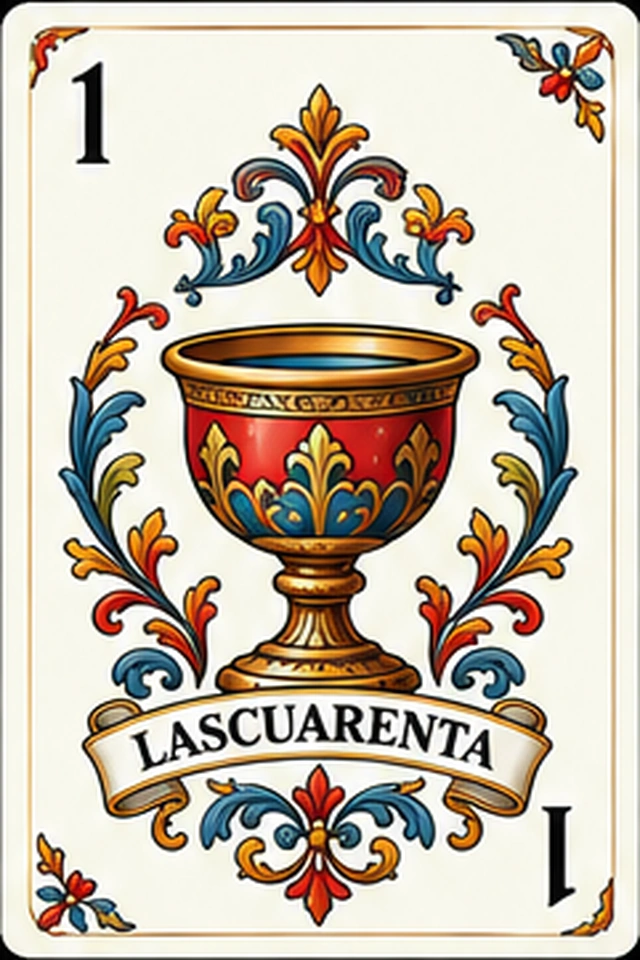
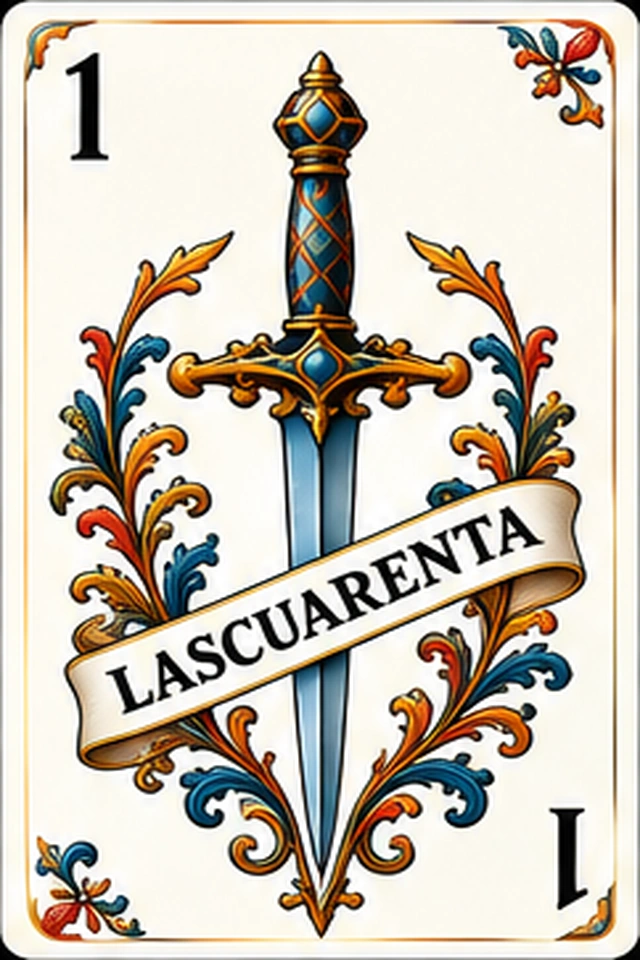
We do not have the first Spanish deck, but we know that playing cards reached the Iberian Peninsula in the second half of the 14th century, around 1370. They arrived from the Eastern Mediterranean and originated in Mamluk Egyptian cards, whose suits evolved into Oros (gold coins), Copas (cups), Espadas (swords) and Bastos (clubs).
The first records
The oldest references appear in documents from the Crown of Aragon from the late 14th century, often in the form of bans: if the authorities bothered to ban card games, it was because they were already being played. We review this in the first documented decks in Europe.
What they were like
They were hand-painted or printed using woodblocks and coloured afterwards. They were expensive and, initially, a pastime for the wealthy. Mamluk cards featured cups, coins, scimitars and polo sticks, which were transformed here into the suits we know today. We tell you all about it in the Arabs brought cards to the Peninsula.
And the deck as we know it today?
It took centuries to arrive. There were many regional designs until, at the end of the 19th century, Heraclio Fournier established the model that almost all of us use today. We look at this in what the deck was like before Fournier.
Frequently asked questions
When did playing cards arrive in Spain?
Around 1370-1380, according to the earliest historical documents that mention them.
Where did they come from?
Most likely from the Islamic Mediterranean world, specifically from the Mamluk playing cards of Egypt.