

Culture
Did the Arabs bring playing cards to the Iberian Peninsula?
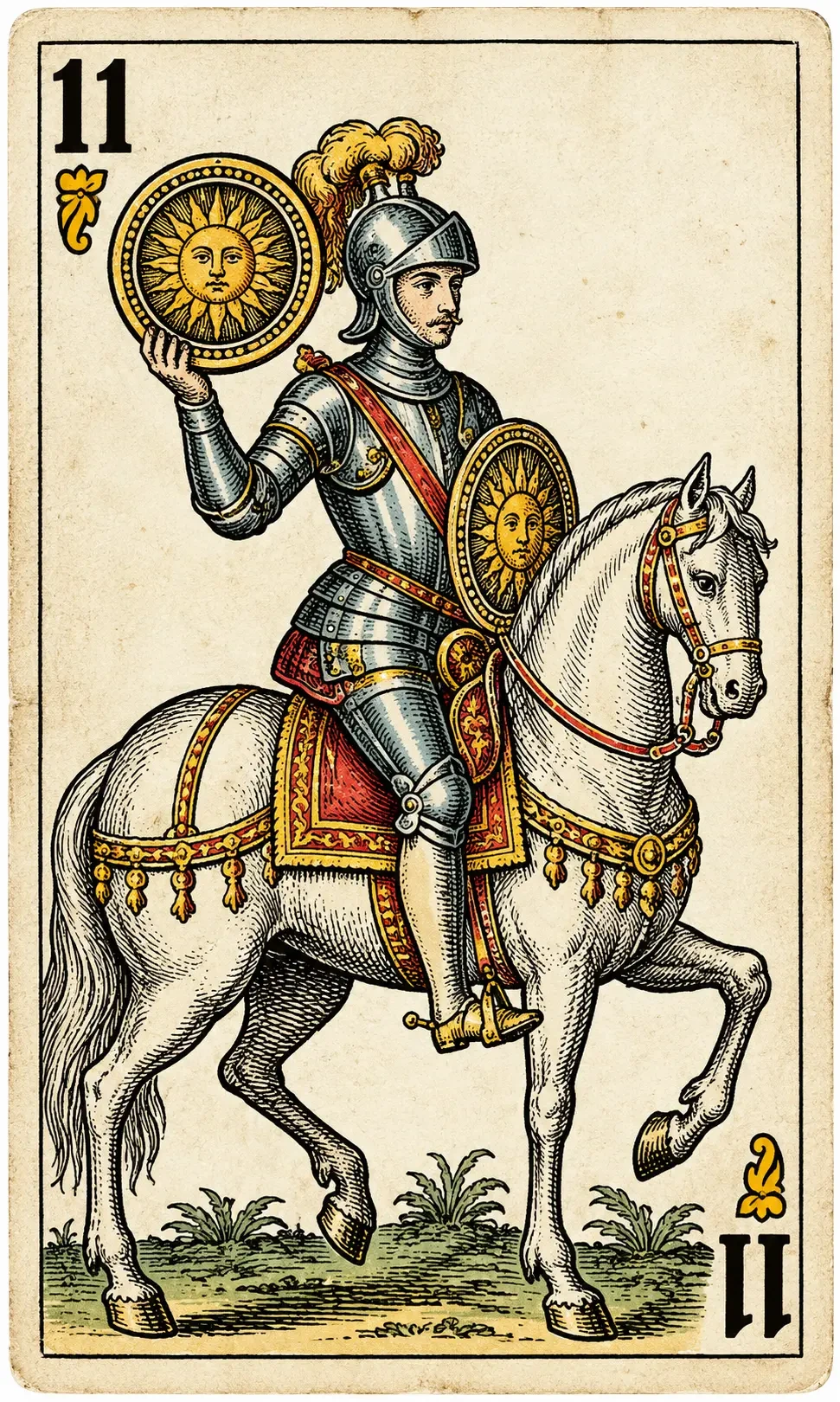
There is no evidence that the Muslims of al-Andalus brought playing cards to the Iberian Peninsula, although cards probably reached Europe from the Islamic world, through the deck used in Mamluk Egypt. The most likely route was trade through Mediterranean ports in the late 14th century.
The Mamluk clue
The Mamluk deck had four suits: monedas (coins), copas (cups), espadas (swords) and palos de polo (polo sticks). The resemblance to oros (gold coins), copas (cups), espadas (swords) and bastos (clubs) is too strong to be a coincidence. A deck of this kind survives in the Topkapi Museum in Istanbul. We explain more in how playing cards travelled from the East to Spain.
What about the word ‘naipe’?
The origin of ‘naipe’, the Spanish word for a playing card, is disputed. One of the most frequently cited theories links it to the Arabic nā'ib, meaning ‘deputy’, the name of one of the court cards in the Mamluk deck. Other theories suggest different origins. The earliest known mention in the Iberian Peninsula, naip, is in Catalan and dates from 1371.
Why not al-Andalus?
Playing cards appeared in Europe almost simultaneously in Italy, the Crown of Aragon and other regions, all in the 14th century. If they had arrived with the Muslim conquest in the 8th century, we would expect to find records much earlier. Everything fits better with the Mediterranean trade route.
A shared heritage
That is why the Spanish deck is so similar to the Italian one, as we explain in the Italian cousins of Tute (Tute), Brisca (Brisca) and Escoba (Sweep). It is also why the suits are still the same as they were in the 14th century: we go through them in what the suits mean.
Frequently asked questions
Where does the word ‘naipe’ come from?
Its origin is disputed; one frequently cited theory links it to the Arabic nā'ib, meaning ‘deputy’.
Did the Arabs bring playing cards to Spain?
They probably came from the Islamic world, but through Mediterranean trade in the 14th century, rather than through al-Andalus.