

Culture
Banned and censored playing cards through history
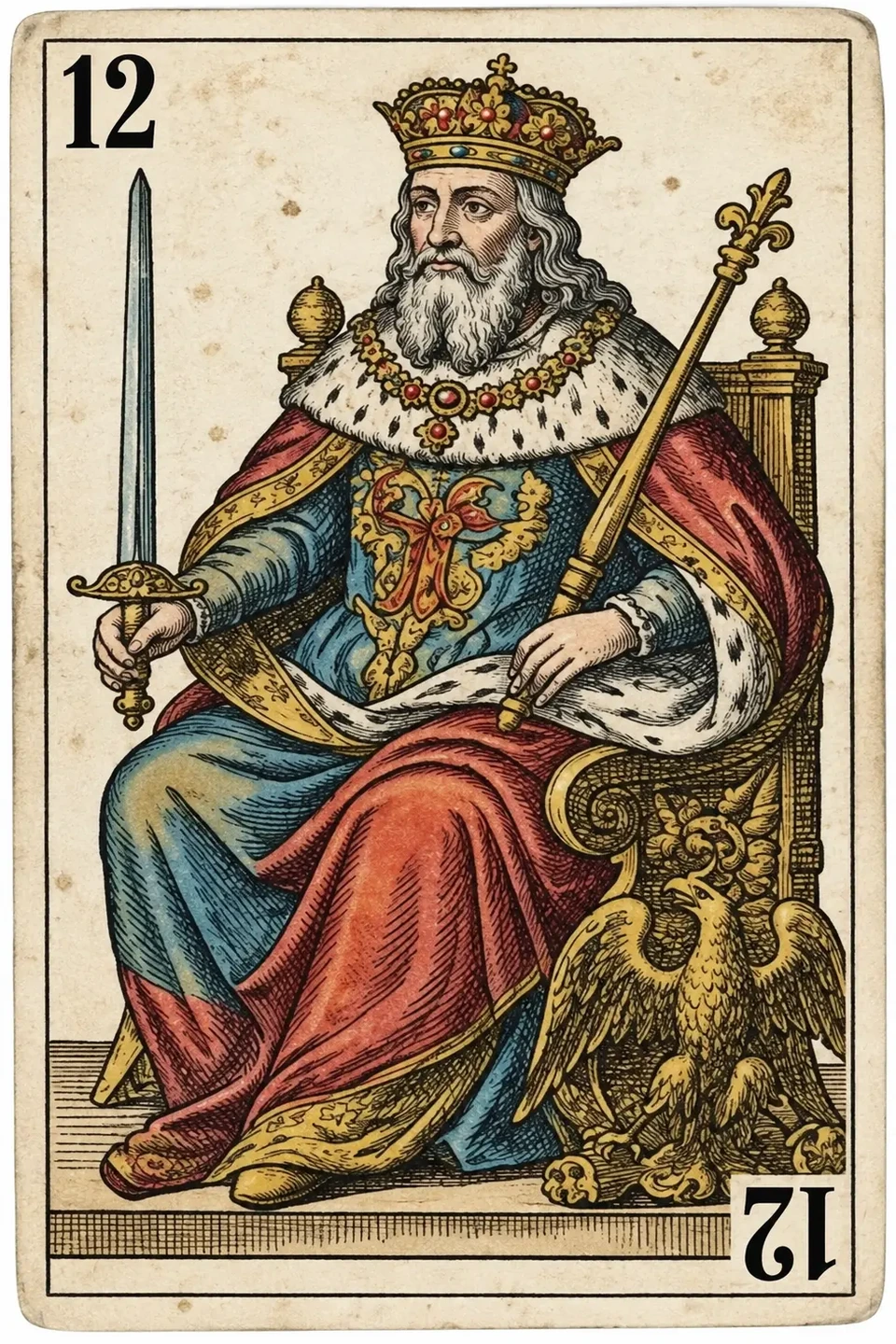
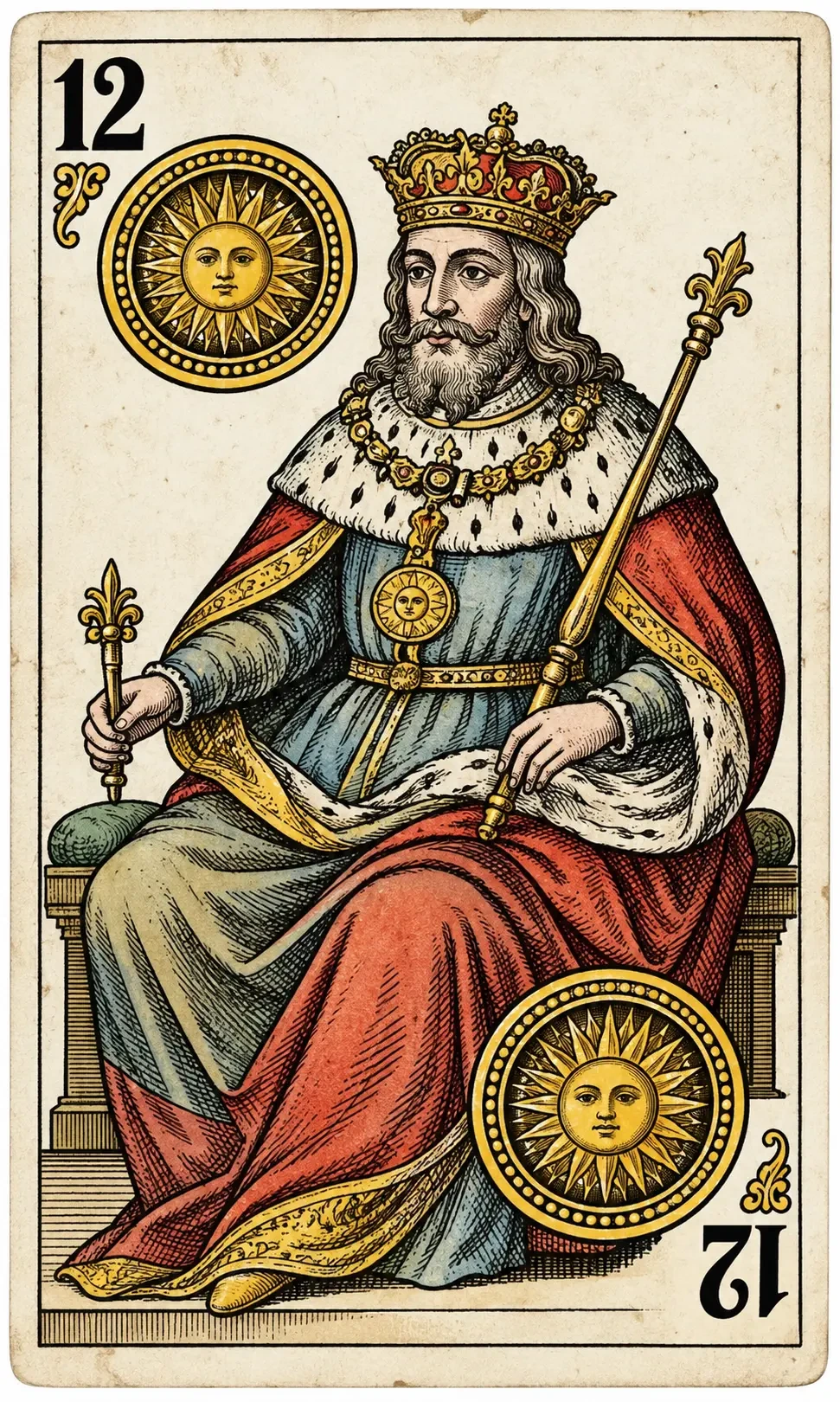
Throughout history, playing cards have faced numerous bans over gambling, moral concerns and tax controls, even becoming subject to a royal monopoly in Spain. Censorship also affected their designs, with figures altered to remove political or religious symbols according to the priorities of each era.
The earliest bans
By the late 14th century, several European cities were already regulating card games. In Castile, John I legislated against playing cards and dice. Typically, the bans covered playing for money, in taverns or on holy days. We explore this in playing cards in the Middle Ages.
Morality and preachers
Many preachers saw cards as a gateway to idleness. Bonfires of ‘vanities’ were organised, where playing cards, dice and ornaments were burnt. Despite everything, people kept playing: the repeated bans are the clearest evidence.
The playing card monopoly
In the 17th and 18th centuries, the Crown saw playing cards as a source of revenue. Taxes were imposed, and their manufacture and sale were reserved as a monopoly. During the 18th century, a Royal Playing Card Factory operated in Macharaviaya (Málaga), also supplying the Americas.
Censoring the designs
At various times, figures were altered to remove unwelcome political or religious symbols. During the French Revolution, for example, kings and queens were replaced with allegorical figures.
Today
A pack of cards is a familiar part of our culture. At Lascuarenta, we use it without betting, just as you would play at home; if you’re curious about why, we explain in why we’re not a casino.
Frequently asked questions
Why were playing cards banned?
Mainly because of gambling, quarrels and moral concerns; later, tax controls also played a part.
What was the playing card monopoly?
The Crown’s monopoly over the manufacture and sale of packs of cards, with royal factories such as the one in Macharaviaya.