

Rules and concepts
What is a points-based game?
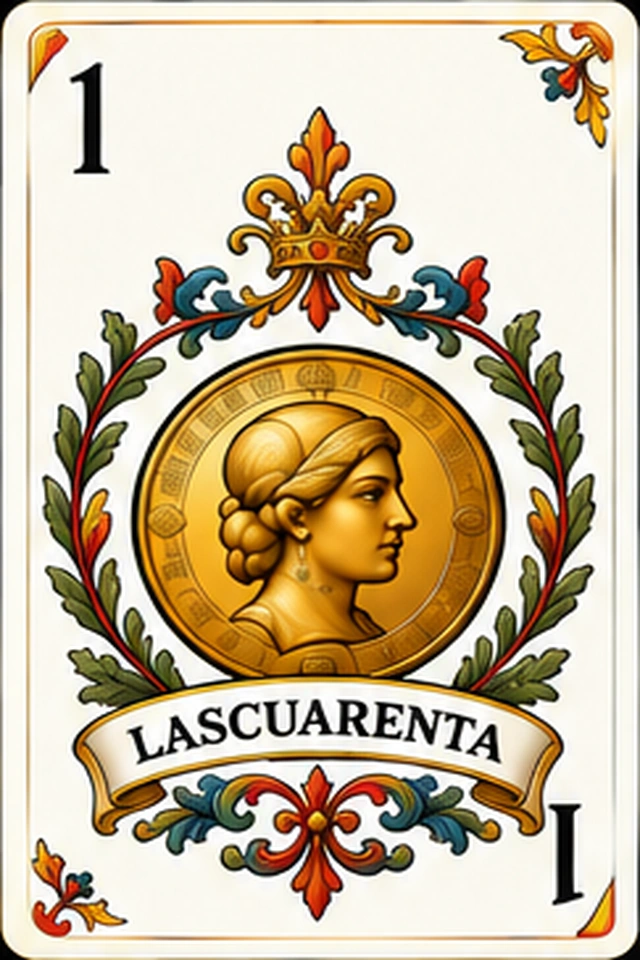
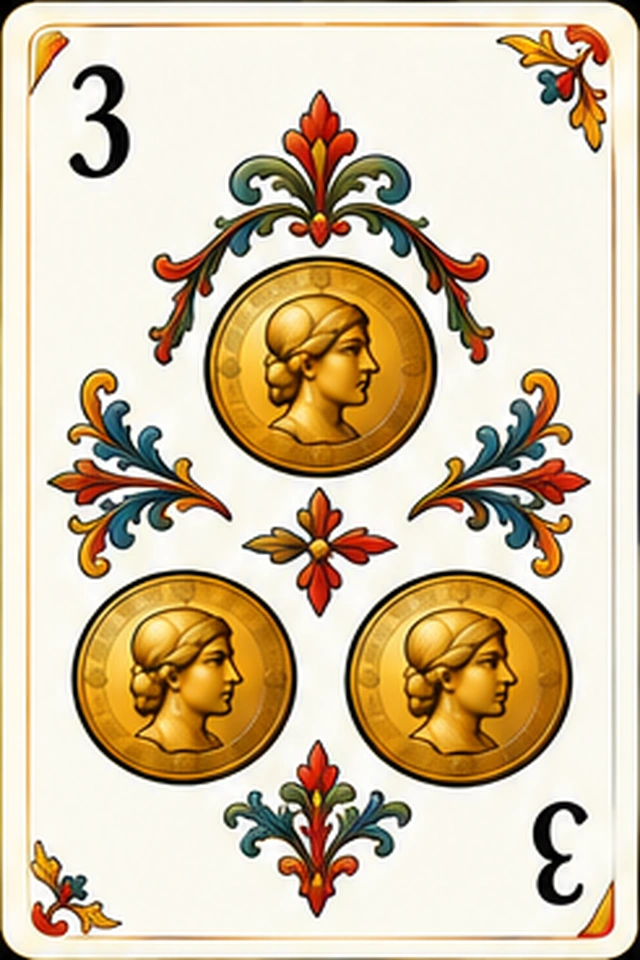
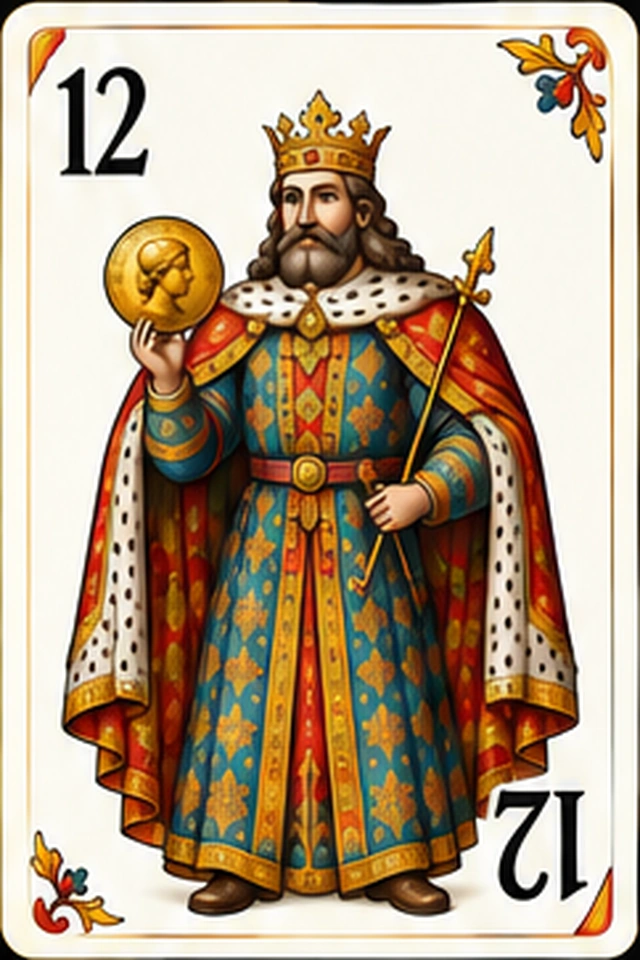
A points-based game is decided by adding up scores over several hands until an agreed total is reached, rather than settling everything in a single hand. The winner is whoever reaches that target first, such as 101 points in Guiñote (a Spanish card game) or 40 piedras (stones, or scoring units) in Mus (a Spanish card game).
Hands, games and sets
- Hand: from the deal until all the cards have been played.
- Game or point: the series of hands needed to reach the target.
- Set or match: in many areas, a group of games. For example, whoever wins three points wins the set.
How each game keeps score
In Guiñote, the target is 101 points, and if nobody gets there in the first hand, play continues into another hand. In Cuatrola (a Spanish card game), each hand is worth one point, and you play to an agreed number of points. In Mus, scores are counted in stones, and the usual target is 40. In Chinchón (a Spanish card game), it works the other way round: you add up the points left in your hand, and anyone who exceeds the limit is eliminated.
Why play to a points target?
Because it makes the deal less decisive. Anyone can get a bad hand, but over a longer game, skill eventually wins out. We explore that idea in what chance really is.
Frequently asked questions
What is the difference between a hand and a game?
A hand is one complete deal played out; a game is the series of hands played until the points target is reached.
What is the points target in Guiñote?
Usually 101 scoring points to win one game point.