

Probability and chance
What is chance, really?
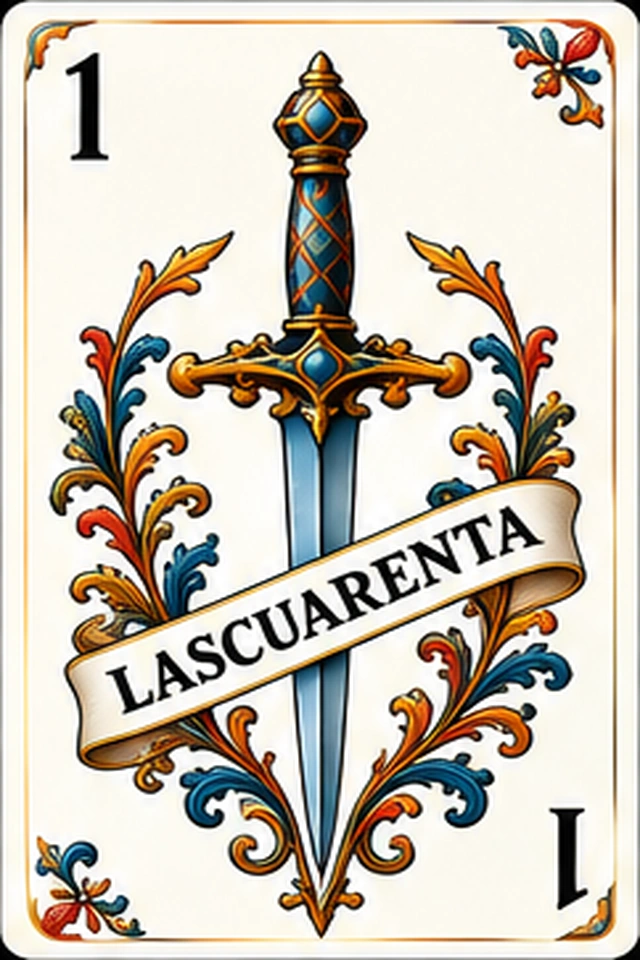
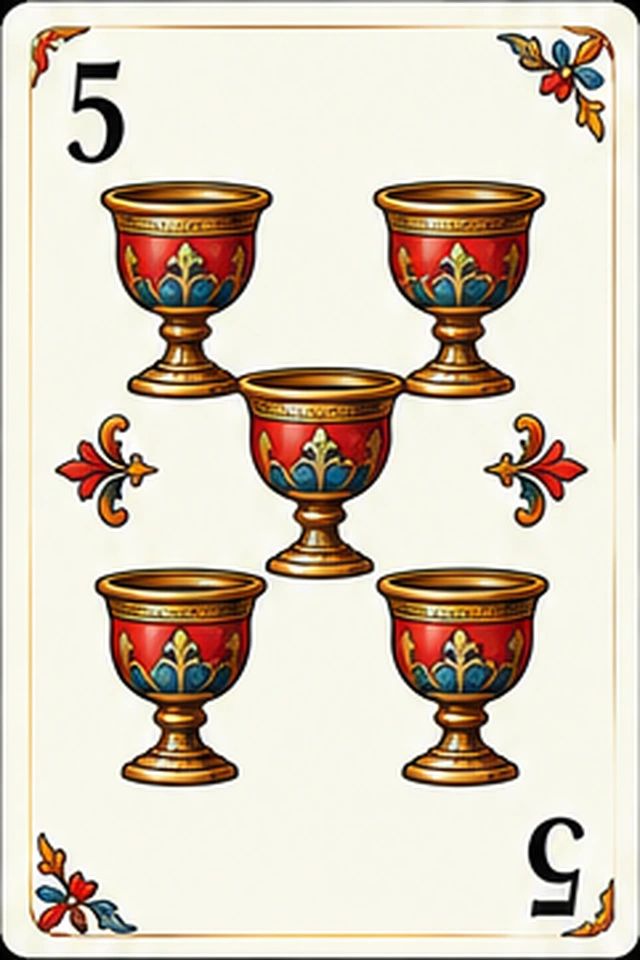
Chance is what we cannot predict with the information available. When you draw a card from a well-shuffled pack, the result is not without a cause, but you cannot know beforehand which card will come up. Probability lets us measure that chance.
Chance is not the same as chaos
When you roll a die, the laws of physics determine the result. But it depends on such tiny details (force, angle, bounces) that nobody can calculate them all. In practice, it behaves as though it were random. The same happens when you shuffle cards: every movement is mechanical, but the final order is unpredictable.
What we can know
Even if we do not know which card will come up, we do know how chance behaves in the long run. Out of 40 cards, 10 are oros (coins): over many hands, roughly one in four cards will be oros (coins). That regularity is what probability and statistics study.
Chance and skill
Card games combine the two. The deal is down to chance; what you do with your cards is down to skill. In a single game, the weakest player might win, but over a hundred games, the best player almost always comes out on top. That is why, in Mus (a Spanish card game) or Guiñote (a Spanish card game), some players win with a consistency that is not down to luck.
What about luck?
Luck is how we experience chance: something good or bad happens to us, and we give it a name. That is very human, but it is worth remembering not to confuse it with a mysterious force. We explore this in do lucky streaks exist?
Frequently asked questions
Does chance have causes?
Yes, but they are so small and numerous that predicting the result is impossible.
Are card games purely down to chance?
No. The deal is down to chance, but how you play is down to skill, and in the long run, the best player wins.