

Probability and chance
Probability for beginners using cards
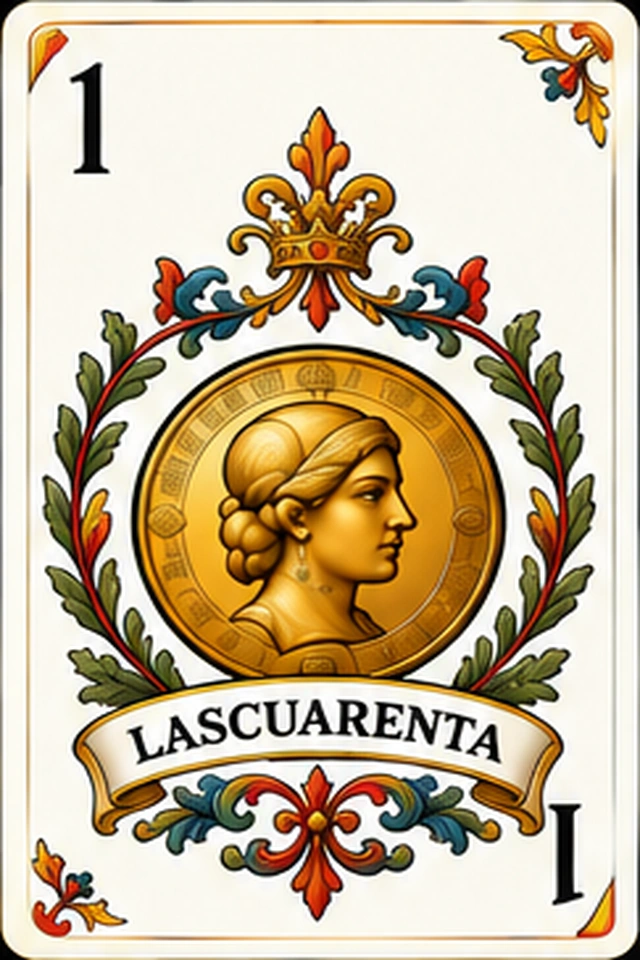
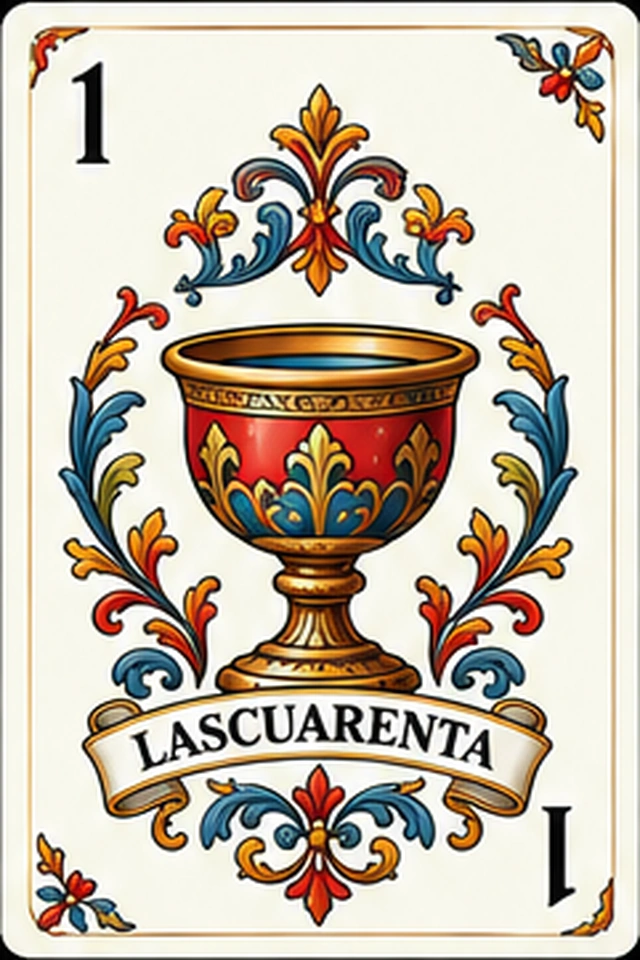

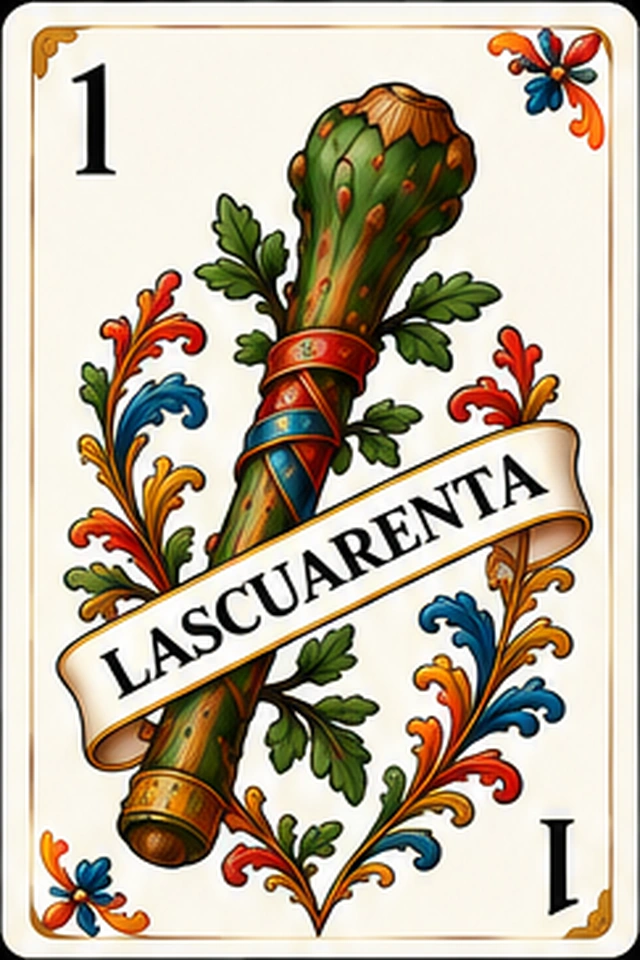
To calculate the probability of an event, divide the number of favourable outcomes by the number of possible outcomes. In a 40-card deck, the probability of drawing an oro (coin) is 10/40 = 1/4, while the probability of drawing an as (ace) is 4/40 = 1/10.
Favourable outcomes divided by possible outcomes
If you shuffle the deck and draw a card, there are 40 possible outcomes. If you want a rey (king), there are 4 favourable outcomes: 4/40, or 10%. If you want a king or an ace, it is 8/40, or 20%.
Without replacement
This is where cards differ from dice. If you draw an ace and do not put it back, there are 3 aces left among 39 cards. The probability of drawing a second ace drops to 3/39. That is why keeping track of what has already come out really does help with cards, as we explain in how probability works with dice.
An example at the card table
You are playing Guiñote (Guinote) and want to know whether the trump ace is still in play. If 8 of the 10 trumps have already been played and you do not have the ace, that ace is either in an opponent’s hand or in the deck. The more cards you know about, the more precise your estimate will be.
‘At least one’
A useful trick: the probability of something happening at least once is 1 minus the probability of it never happening. If you are dealt 5 cards, the probability of having no aces is (36·35·34·33·32)/(40·39·38·37·36) ≈ 57%; so the probability of having at least one is ≈ 43%.
If you enjoy this topic, read on about the gambler’s fallacy.
Frequently asked questions
What is the probability of drawing an ace from a Spanish deck?
4 out of 40, or 10%.
Why does counting cards help with a deck but not with dice?
Because cards that have been played do not go back into the deck during the hand, and that changes the probabilities.