

Probability and chance
The Gambler's Fallacy explained with cards
The gambler's fallacy is the mistaken belief that an outcome becomes more likely simply because it has not happened for a while. When each attempt is independent, as with a coin toss or a card drawn from a fully restored and reshuffled deck, previous results do not change the odds of the next one.
The most famous case
In 1913, at the Monte Carlo casino, a roulette ball landed on black 26 times in a row. Many people bet on red with increasing intensity, convinced that it "had to" come up. They lost a fortune. The roulette wheel has no memory.
With a deck of cards
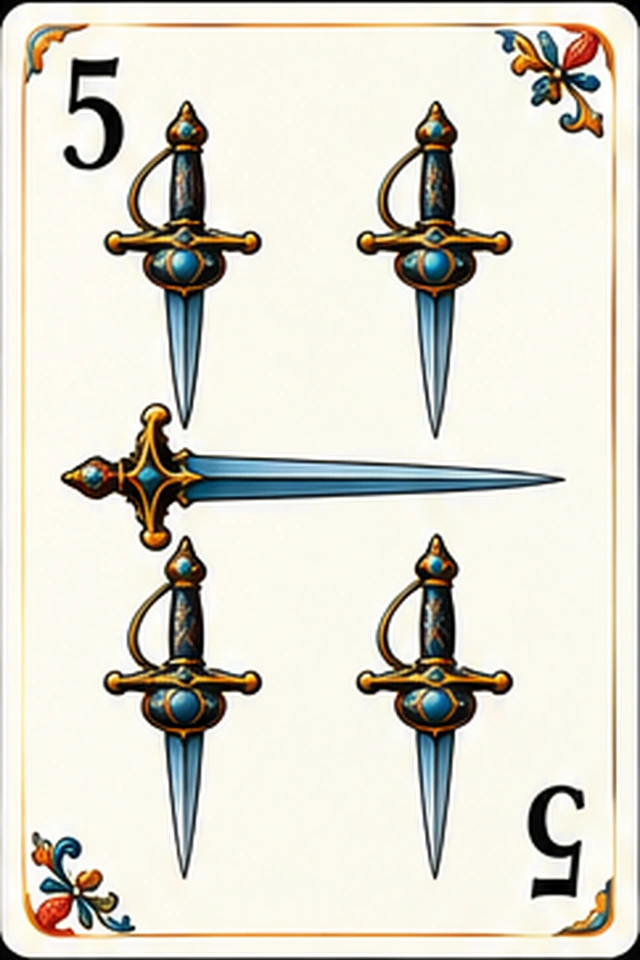
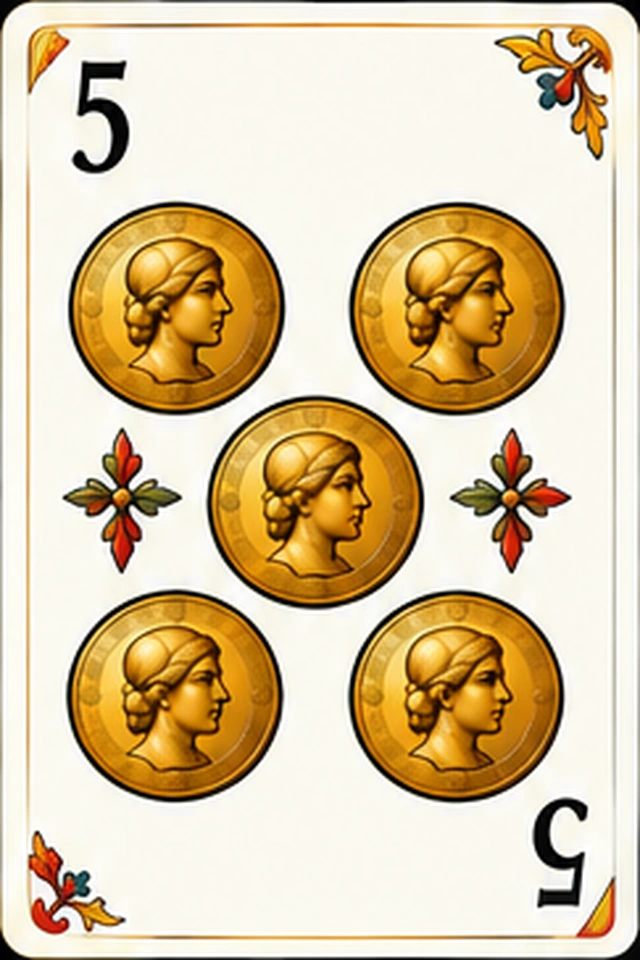
Imagine you draw a card, look at it, and return it to the deck before shuffling again. If you have drawn five Espadas (Swords) in a row, the probability of the next card being Oros (Gold/Coins) remains exactly one in four. No more, no less.
Where what has been played actually matters
Be careful, because there is a nuance that every good player knows: if the cards do not return to the deck, what has already been played does change what remains. In a hand of Guiñote (a popular trick-taking game), if three Rey (Kings) have already fallen, you know only one remains. That is not a fallacy; it is card counting, and it is the foundation of playing well.
Why we fall for it
Because our brains expect chance to "balance itself out" immediately. In the long run it does balance out, but over thousands of attempts, not by correcting the very next one. That is why we play without money here: it is much more enjoyable when no one is trying to "win back" their losses. We explain this further in do lucky streaks exist?
Sources
Frequently asked questions
Why is it called that?
Because it is a typical error made by gamblers who believe they can predict when a result is "due" to happen.
Is card counting the Gambler's Fallacy?
No. Card counting uses real information: the cards already played are no longer in the deck.