

Culture
Playing cards in the Middle Ages: banned, policed and widely played
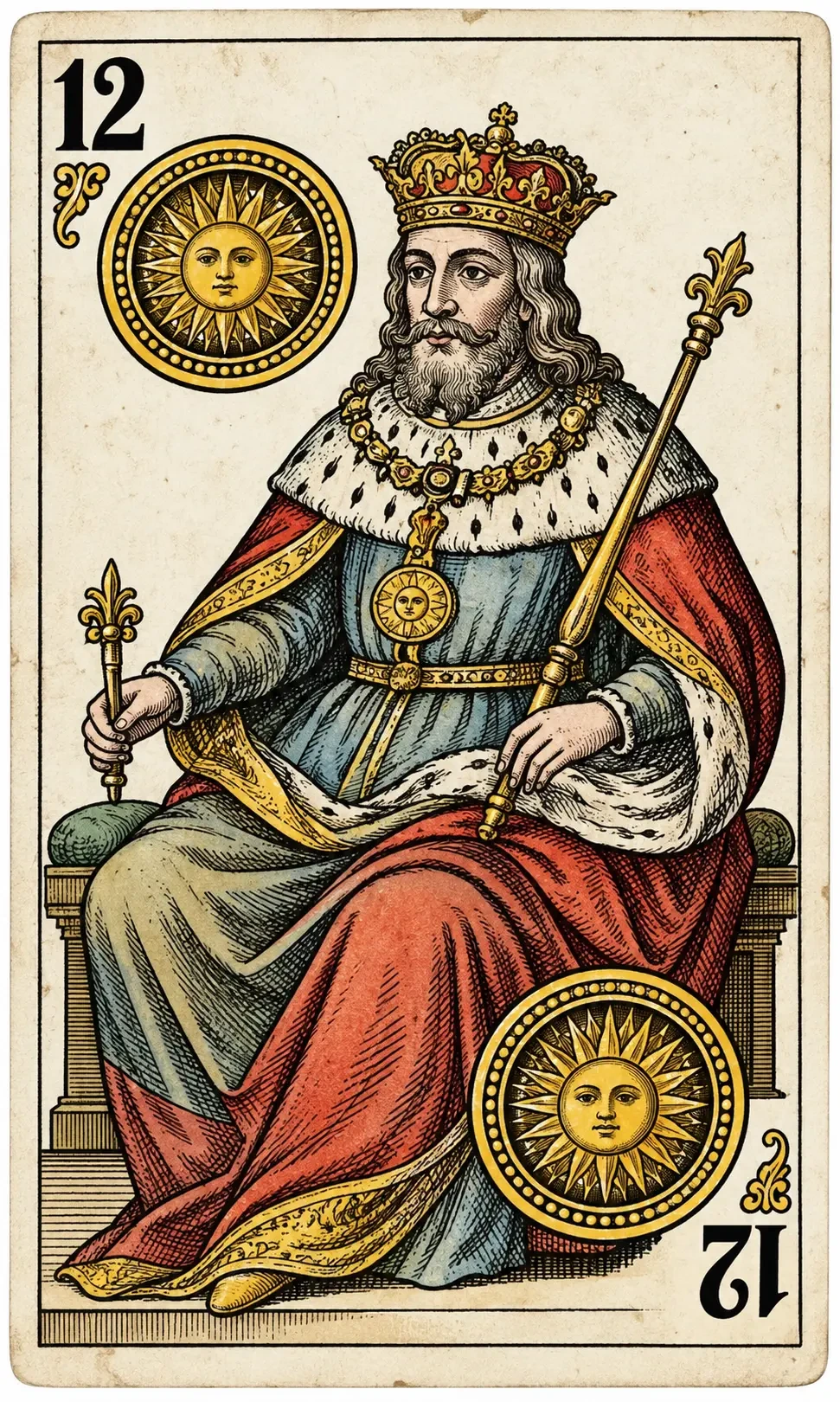
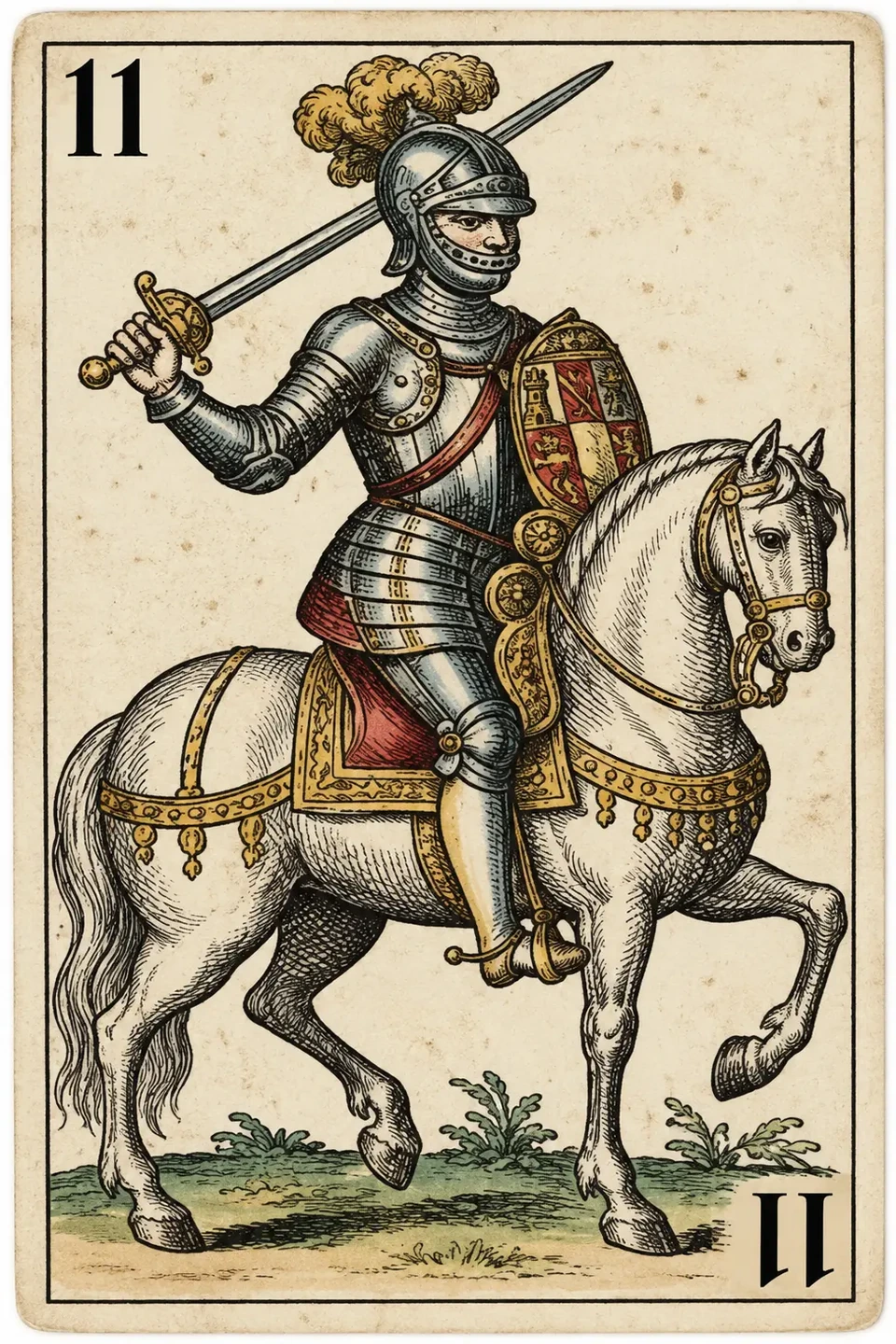
Playing cards reached Mediterranean Europe in the late 14th century and spread so quickly that laws soon appeared to restrict their use. Hand-painted or printed using wooden blocks, they were played in taverns, courts and homes despite those restrictions.
The earliest records
One of the earliest mentions in the Iberian Peninsula comes from Catalonia: the word naip (playing card) appears in a rhyming dictionary from 1371 attributed to Jaume March. Within a few years, cities in Italy, France and the Crown of Aragon began to regulate card-playing. If it needed regulating, people were already playing — and playing a lot.
Why were cards banned?
Medieval authorities distrusted any game of chance involving bets: it led to brawls, debts and cheating. Many ordinances therefore banned playing in certain places, on feast days or for money, although they often turned a blind eye when nobles were involved. In Castile, John I passed laws against card and dice games in the late 14th century.
What those cards looked like
They were nothing like today’s cards: thick, with no rounded corners or corner numbers, and each workshop had its own style. We explain the process in how the first playing cards were made in Spain.
The legacy that remains
The Latin suits of oros (coins), copas (cups), espadas (swords) and bastos (clubs) were already there, inherited from the Mamluk world. It is the same structure we use today to play Brisca (a trick-taking card game) or Mus (a partnership card game). For the full journey, read how playing cards travelled from the East to Spain.
Frequently asked questions
When did playing cards arrive in Spain?
The earliest documented mentions date from the late 14th century, such as the one from 1371 in Catalonia.
Why were playing cards banned?
Because of the betting, brawls and debts they led to, especially in taverns.