

Culture
The first documented decks of cards in Europe
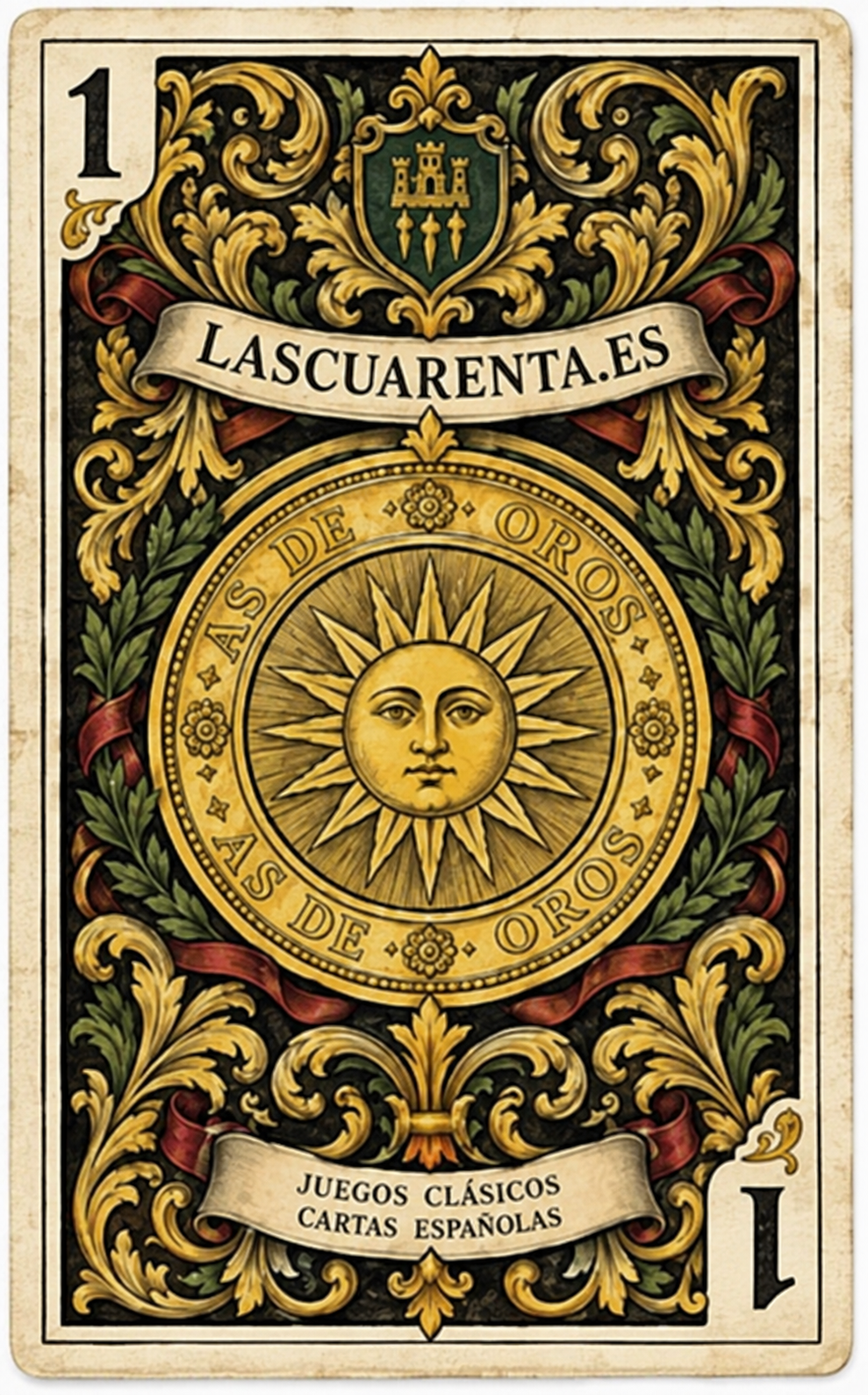
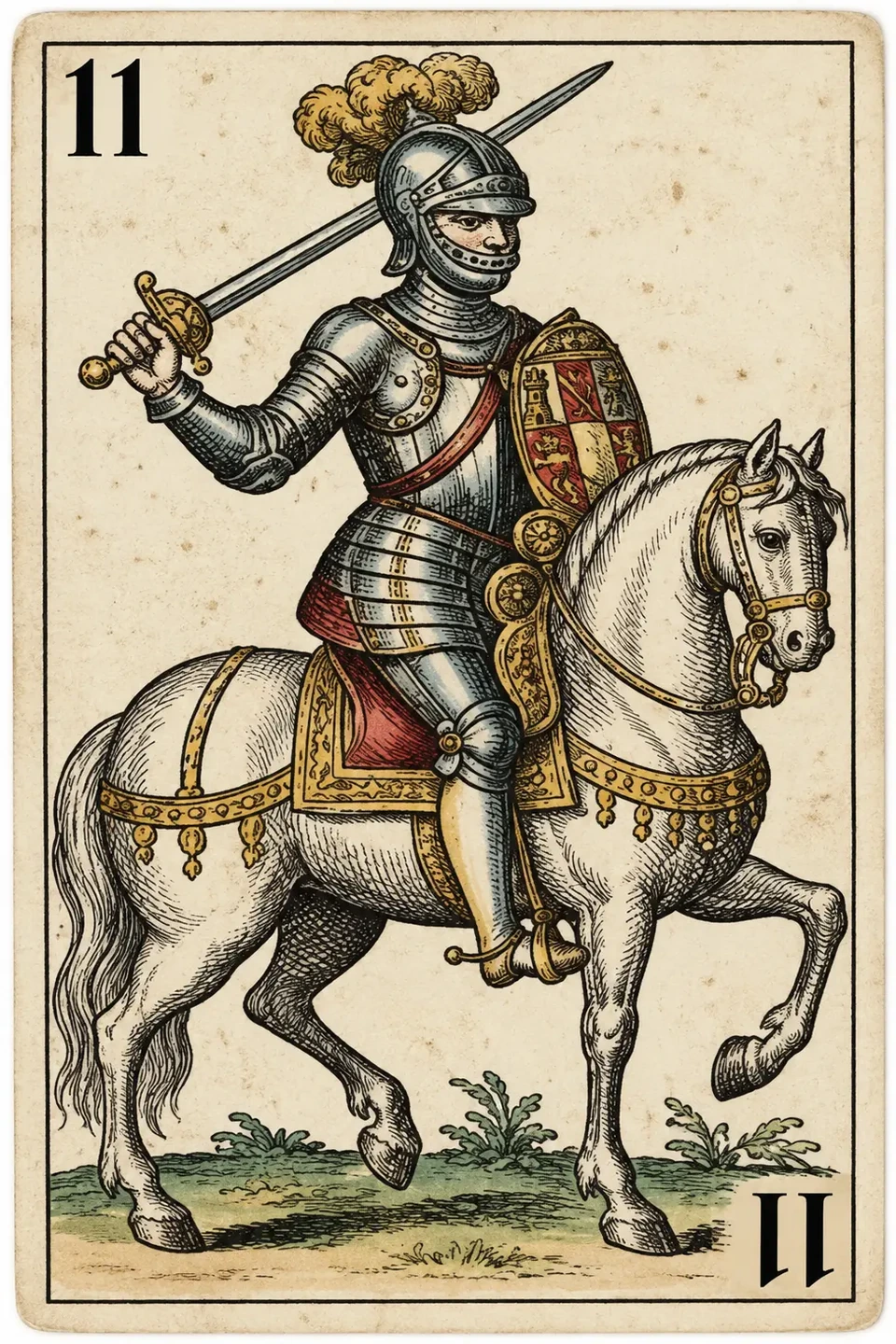
The first reliable mentions of playing cards in Europe date back to the 1370s. Key records include a Catalan reference from 1371, a prohibition in Florence in 1377, and a description by the German monk Johannes de Rheinfelden, also from 1377. There is no solid evidence of their existence prior to these dates.
A sudden appearance
What is striking is the speed of their spread: within a few years, documents from Italy, the Crown of Aragon, France, Switzerland, and Germany all mention cards. This indicates that playing cards arrived already fully developed, likely from the Mamluk world, and spread via established trade routes.
1371: The Catalan naip
The word naip (playing card) appears in a Catalan rhyming dictionary attributed to Jaume March. This is one of the oldest mentions in all of Europe. We cover this in detail in playing cards in the Middle Ages.
1377: Florence and the monk
Florence prohibited a game called naibbe, describing it as "recently arrived". That same year, Johannes de Rheinfelden wrote a text describing a deck of four suits with figures of a Rey (King) and two officers, very similar to the decks we know today.
And before then?
Earlier dates have been proposed, but almost always based on dubious or incorrectly dated documents. Based on current knowledge, it is most accurate to place their arrival in the final third of the 14th century. If you are interested in their earlier journey, read did the Arabs bring cards to the Peninsula?
Frequently asked questions
When did playing cards first appear in Europe?
They appeared in the 1370s, according to the first reliable mentions.
What is the oldest mention in Spain?
The word "naip" (playing card) appears in a Catalan dictionary from 1371.