

Culture
How playing cards travelled from the East to Spain
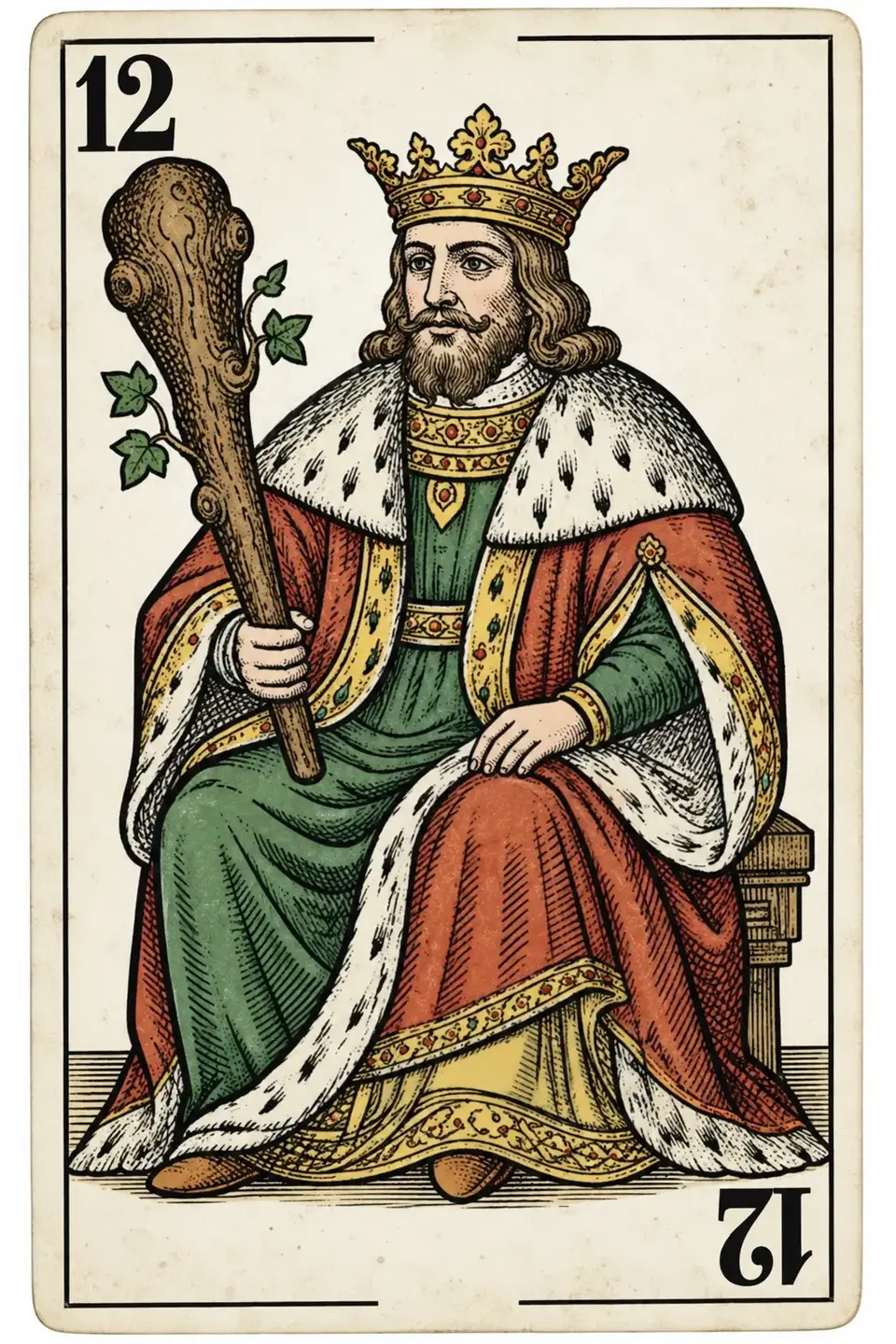
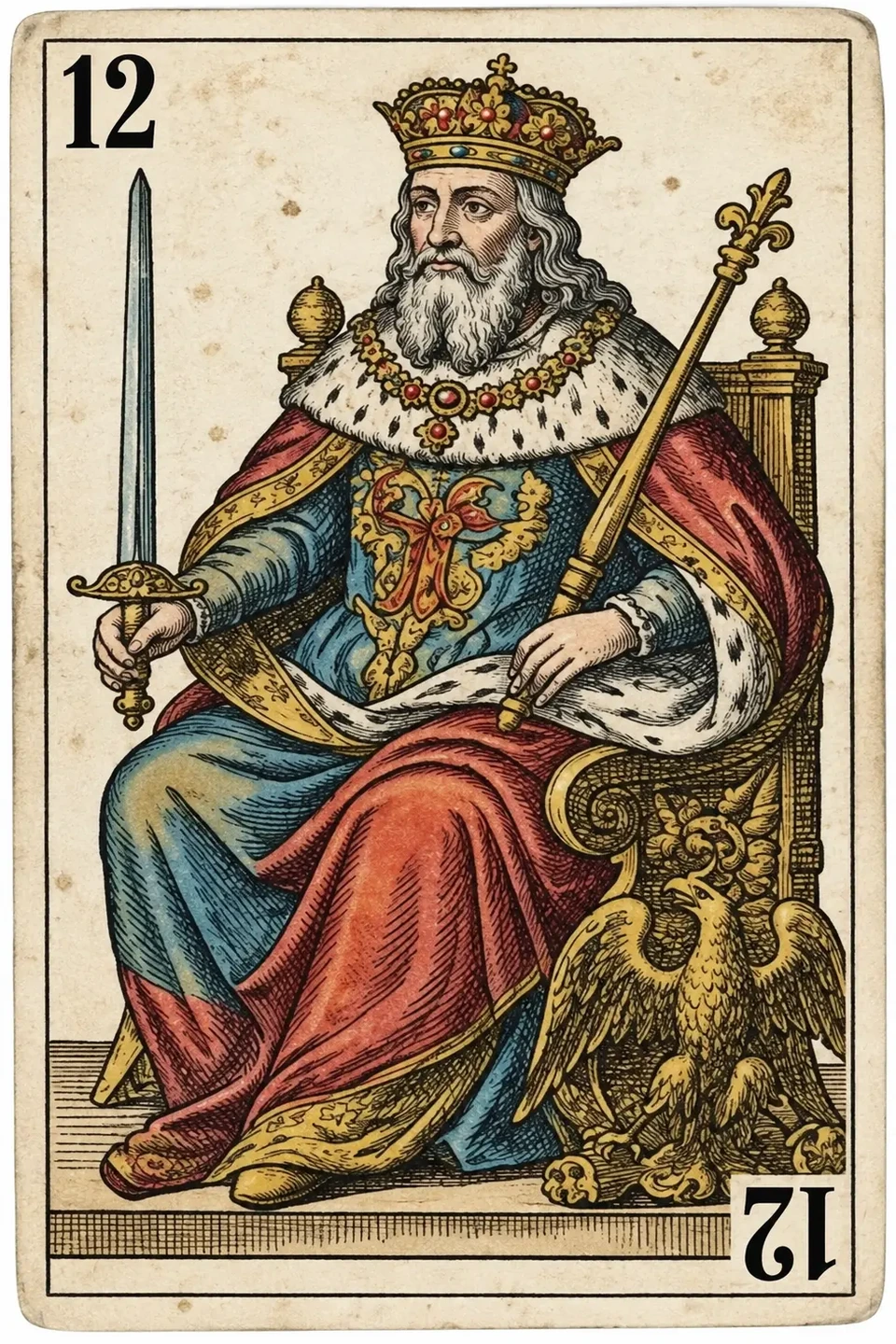
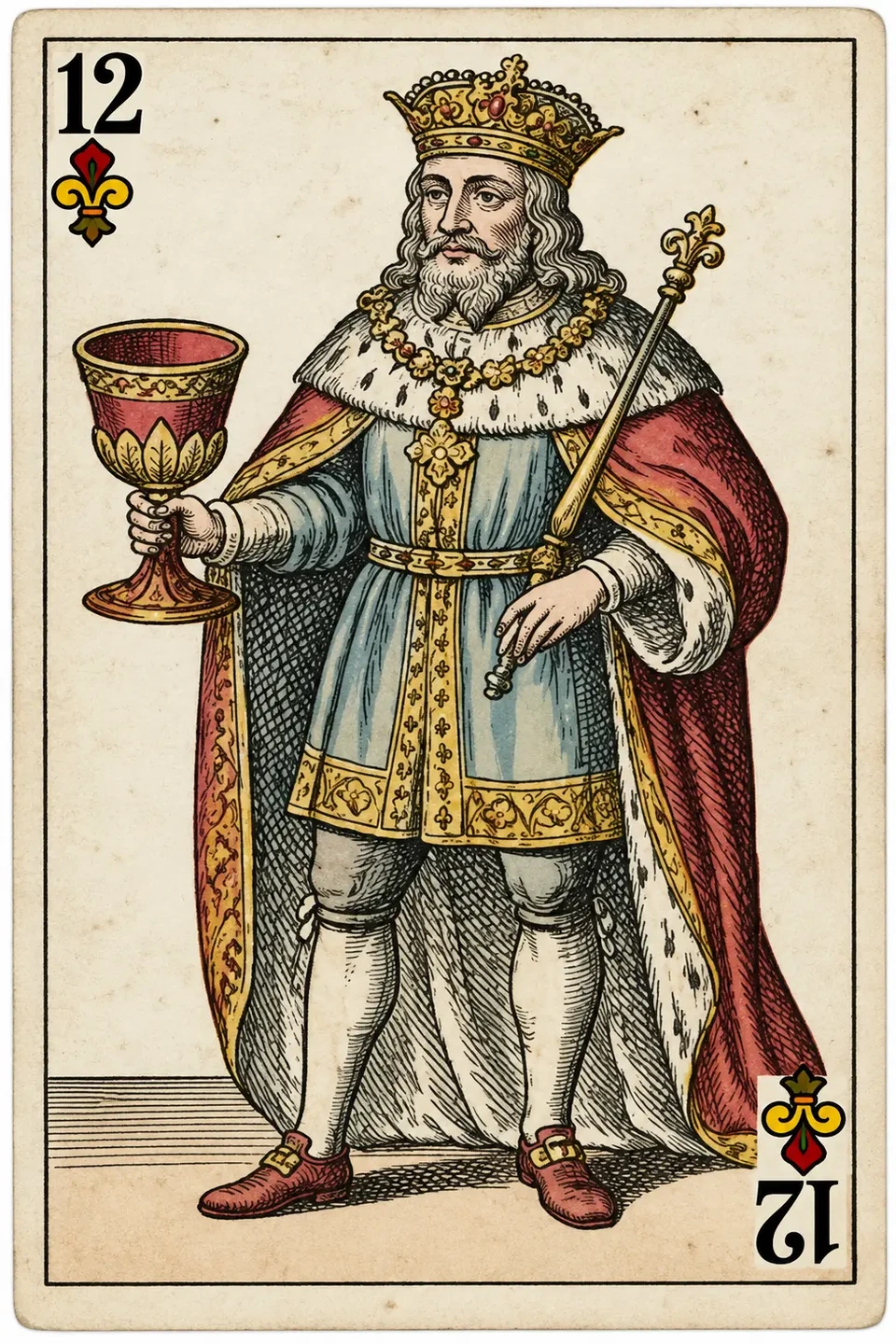
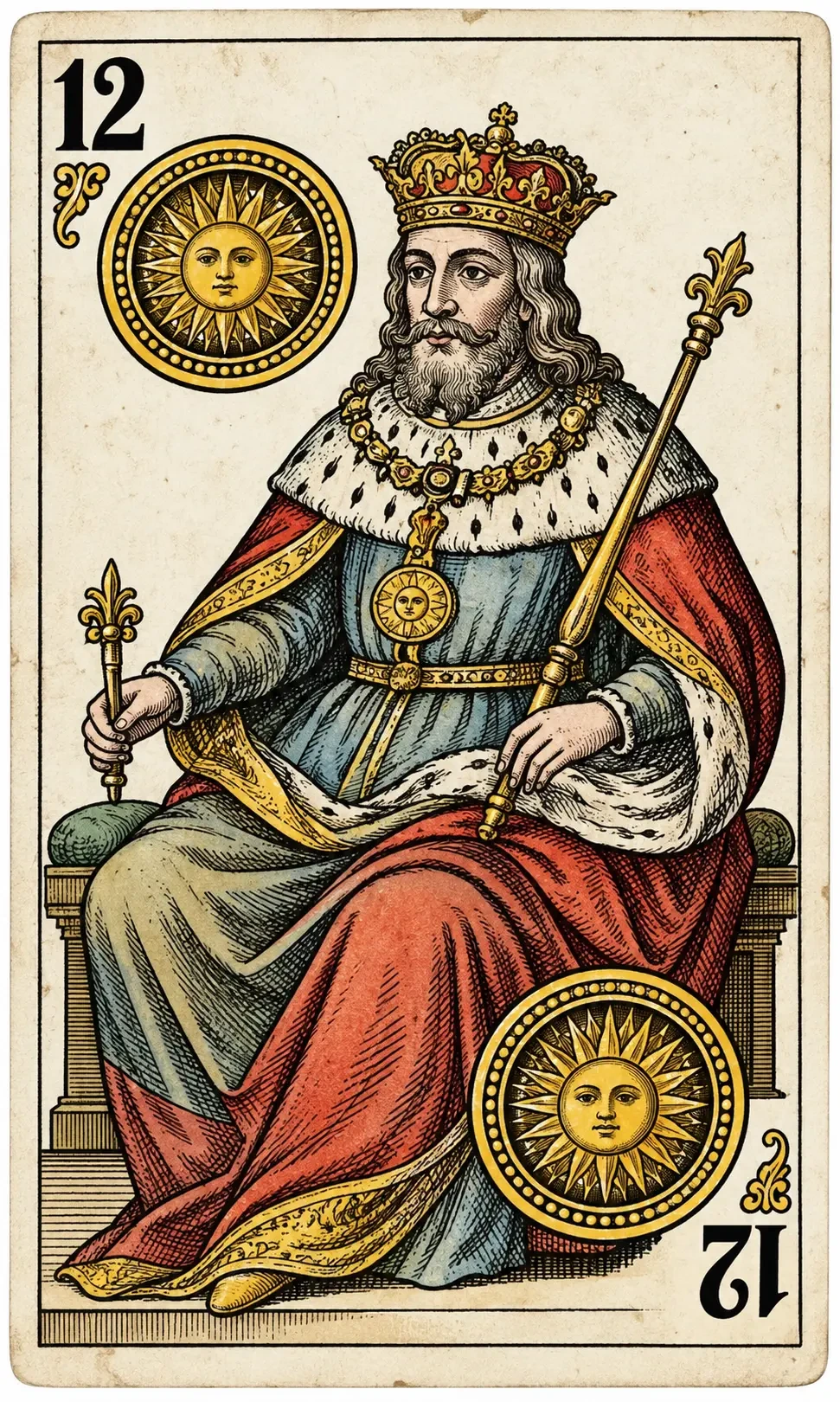
The Spanish deck’s Oros (Golds), Copas (Cups), Espadas (Swords) and Bastos (Clubs) feel firmly rooted in Spanish culture, but playing cards have origins elsewhere. Their familiarity today can make it easy to forget that history.
However, the history of playing cards began thousands of kilometres east of the Iberian Peninsula. Before reaching the Mus tables, Tute or Brisca, cards travelled across empires, trade routes, and very different cultures.
Their journey began in Asia, passed through the Islamic world, crossed the Mediterranean, and ended up shaping one of Europe’s oldest gaming traditions.
The first ancestors of cards were born in China
Most historians place the remote origin of playing cards in China.
The oldest references appear during the Tang dynasty, between the 7th and 10th centuries. Those early games probably bore little resemblance to a modern deck. Some sources describe small paper sheets used for games of chance, while others speak of tokens related to money and taxes.
What’s important is that the fundamental idea already existed: a set of printed pieces that could be combined to create games.
China also contributed something essential to the subsequent development of playing cards: paper. Without a relatively advanced production of this material, the expansion of cards would have been much more difficult.
The long journey to the West
For centuries, goods, technologies, and ideas travelled between Asia and the Near East along the trade routes known as the Silk Road.
We don’t know exactly when playing cards began this journey, but we do know that they eventually reached the medieval Islamic world.
There, cards evolved and took on a much more recognisable form for us.
The Mamluks and the first major family of playing cards
The most important link in the entire history appears in Egypt.
Between the 13th and 16th centuries, the Mamluk Sultanate, a commercial power controlling much of the connections between Asia, Africa, and the Mediterranean, ruled there.
Historians preserve several extraordinarily important Mamluk decks because they show surprisingly familiar symbols.
Those cards already used four main suits:
- Coins.
- Cups.
- Swords.
- Polo sticks.
In addition, they included court cards equivalent to face cards.
The similarity to the Spanish deck is impossible to ignore.
In fact, as we explain in What do the suits of the Spanish deck mean?, three of our four suits come virtually unchanged from those Mamluk models.
From the polo stick to the Spanish 'Basto' (Club)
There is a particularly curious difference.
The Mamluks played polo, an aristocratic sport very popular in the Near East. That’s why one of their suits represented sticks used for playing.
When those cards arrived in Europe, polo was practically unknown.
European artisans reinterpreted the symbol and transformed it into something much more familiar: sticks, clubs, or wooden branches.
This is how the Basto that still appears in current Spanish decks was born.
It is probably the clearest example of how the same idea can change its appearance when travelling between different cultures.
The arrival in the European Mediterranean
By the end of the 14th century, cards were already circulating in various European regions.
The first documentary references appear almost simultaneously in several places in the western Mediterranean, a sign that the phenomenon was expanding rapidly.
Merchants, sailors, and travellers transported playing cards along with textiles, spices, and other products.
Italian ports played a fundamental role in this spread.
And that explains why Spain and Italy still share so many characteristics in their decks.
Italy: the big sister of the Spanish deck
When playing cards settled in the Italian peninsula, they retained the four Latin suits:
- Denari (Oros (coins) - Golds).
- Coppe (Copas (cups) - Cups).
- Spade (Espadas (swords) - Swords).
- Bastoni (Bastos (clubs) - Clubs).
The resemblance to the current Spanish deck is evident.
The face cards and many graphic conventions also survived.
That’s why, centuries later, it’s still possible to recognise the kinship between a Spanish deck and a Neapolitan one at a glance.
As we saw in The Italian cousins of Tute, Brisca, and Escoba, not only cards travelled together: many games also share common ancestors.
The first playing cards in Spain
Documents show that playing cards were already present in territories of the Crown of Aragon and Castile during the 14th century.
From that moment, their popularity grew rapidly.
So rapidly, in fact, that regulations, taxes, and specific rules began to appear to control their manufacture and trade.
Playing cards had ceased to be an imported curiosity to become an everyday product.
And with that demand, a new profession emerged: that of the card maker.
The workshops that shaped the Spanish deck
Once established on the Peninsula, playing cards began to develop their own personality.
Spanish workshops modified illustrations, adapted symbols, and consolidated models that would eventually become the classic Spanish deck.
The process was entirely artisanal.
The cards were engraved on wood, printed on sheets, coloured, and finally cut one by one.
If you want to see how that whole process worked, you can read How the first cards were made in Spain.
Why Spain retained the Latin suits
While Spain and Italy maintained the symbols inherited from the Mamluk models, other countries took different paths.
Germany developed its own suits.
France simplified the designs to arrive at hearts, diamonds, clubs, and spades.
That simplification facilitated mass printing and eventually made the French deck the most widespread in the world.
Spain, on the other hand, preserved the Latin tradition.
That’s why our playing cards still show recognisable objects instead of geometric symbols.
Each Oro (Gold), each Copa (Cup), each Espada (Sword), and each Basto (Club) is a small reminder of a journey started centuries ago.
More than six hundred years on the table
Few everyday things have changed so little for so long.
The cards we use today to play Mus, Guiñote, or Tute are direct descendants of models that crossed entire continents before reaching the Iberian Peninsula.
Their history connects China with Egypt, Egypt with Italy, and Italy with Spain.
And perhaps that is one of the reasons why the Spanish deck is so fascinating: behind a simple pack of cards lies one of history’s longest and most surprising cultural routes.