

Culture
How medieval nobles played cards
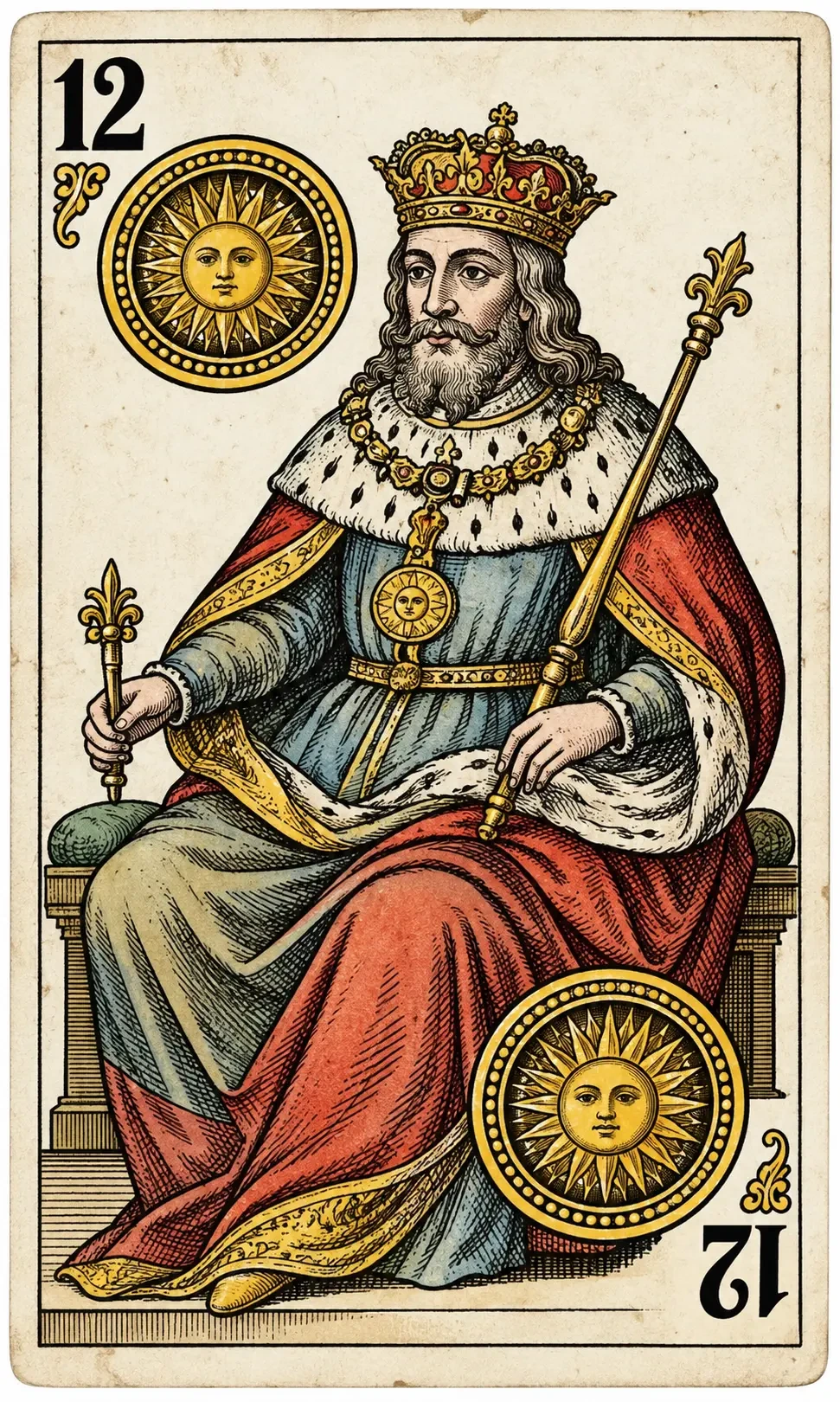
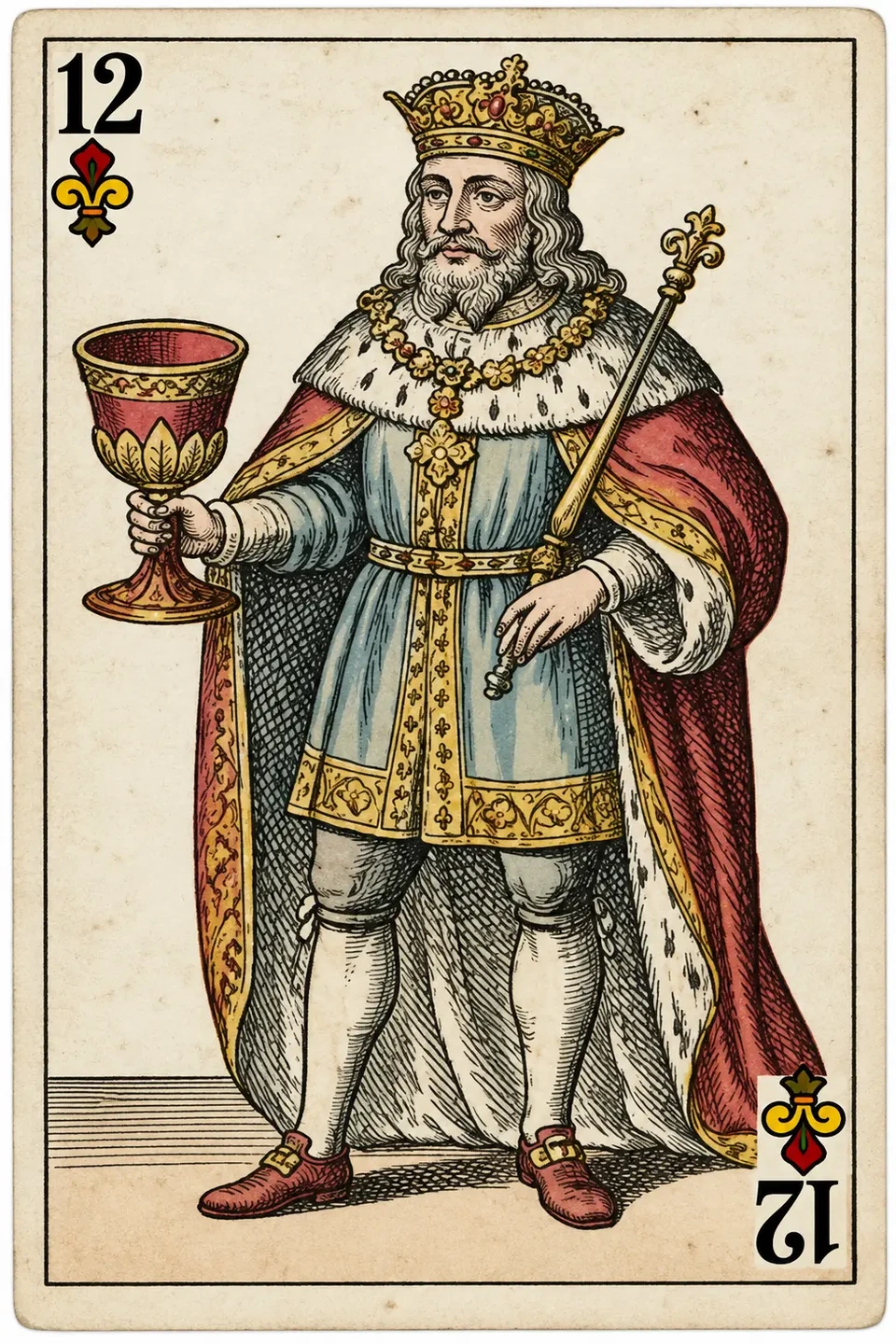
At the courts of the late Middle Ages, nobles enjoyed luxurious, hand-painted decks, sometimes even decorated with gold, as a refined parlour pastime. Although gambling was often forbidden to ordinary people, the nobility had greater freedom to indulge in their palaces.
Decks as precious as jewels
Noble families’ decks were expensive objects, painted by artists and given as gifts on special occasions. Some of the oldest surviving cards in Europe are of this kind, precisely because they were treasured possessions.
Playing as a mark of refinement
Knowing how to play cards, ajedrez (chess) or tablas (tables) was part of a courtly education. Alfonso X’s Libro de los juegos (Book of Games) already offers a glimpse into that world, although it predates playing cards. We explore this in games of medieval Spain.
What about betting?
People often played for money or possessions, and losses could be substantial. That is why laws restricting gambling sometimes applied to the nobility too, although they were enforced less strictly. We discuss this in banned and censored cards.
From palace to tavern
Woodblock printing made cards cheaper, and they spread from palaces to taverns. This was the shift that turned the deck into the everyday object we now use to play Brisca (brisca) or Mus (mus).
Frequently asked questions
What were nobles’ card decks like?
They were hand-painted, sometimes decorated with gold, and regarded as luxury objects.
Were nobles forbidden to gamble?
Some laws applied to them, but in practice they were usually allowed more leeway than ordinary people.