

Culture
How card games are surviving in the 21st century
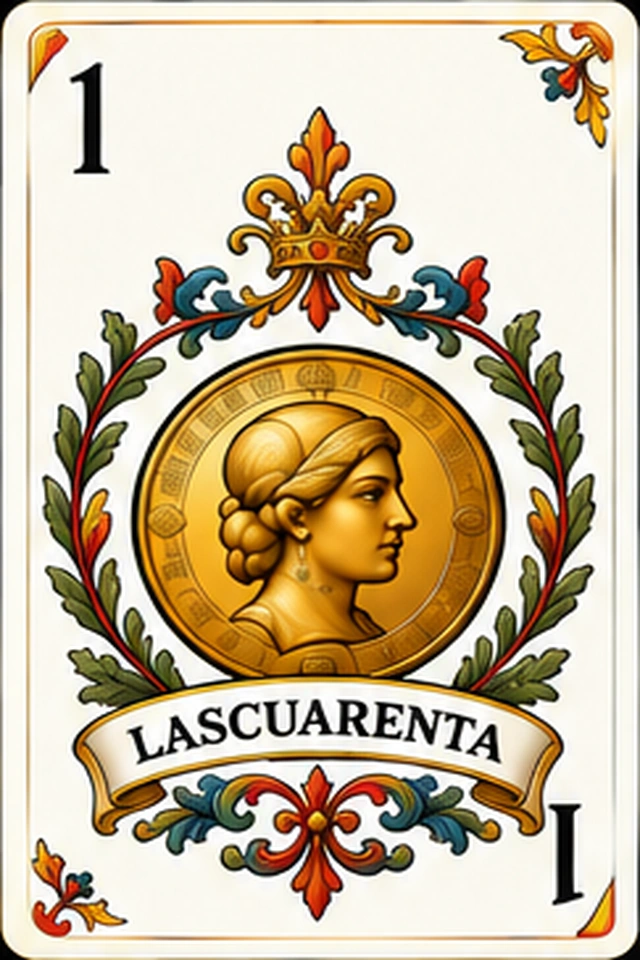
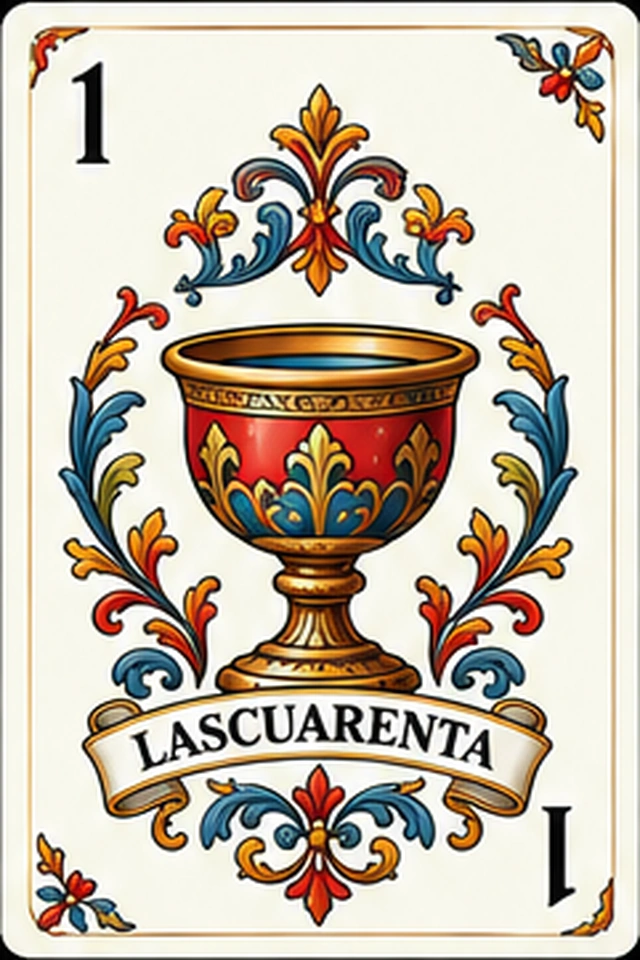
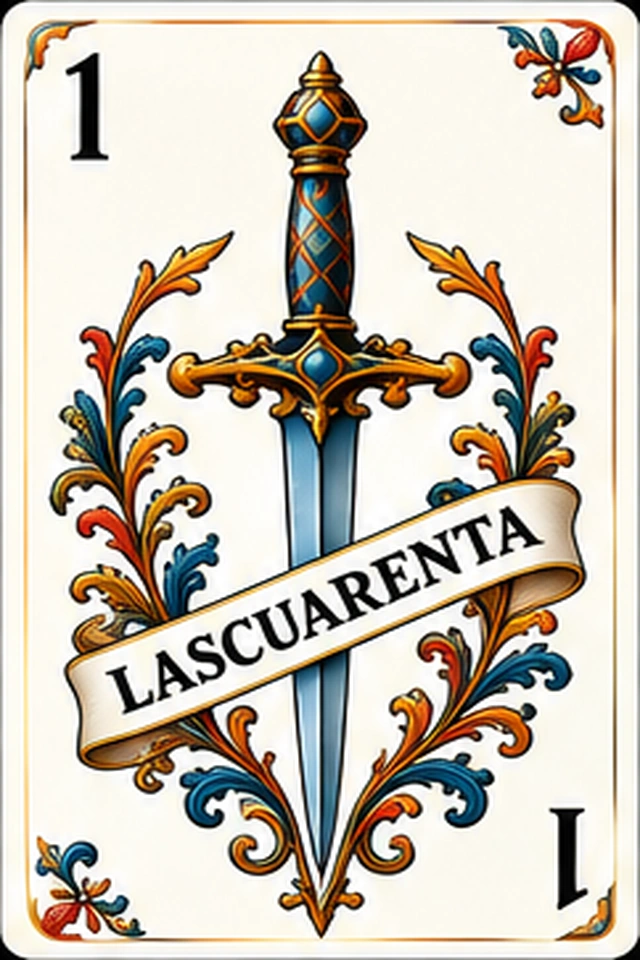
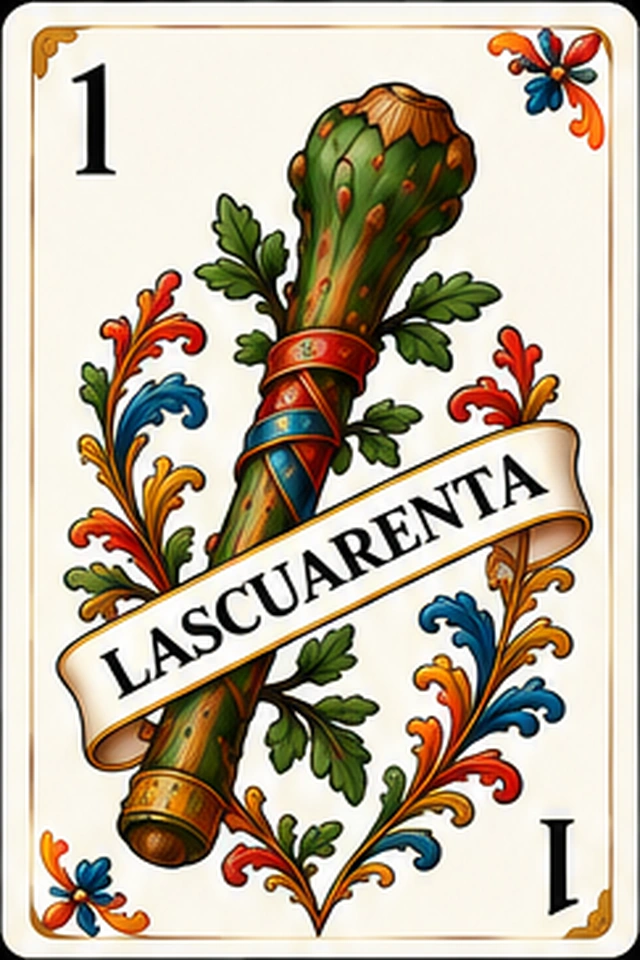
Card games remain popular because they’re sociable and affordable, and they’ve successfully adapted to the digital world, letting people play Mus (a bluffing card game), Brisca (a trick-taking card game) or Chinchón (a rummy-style card game) online. This move to the screen helps friends who live far apart keep sharing a hobby that was traditionally passed down by word of mouth within families.
Less time at the bar, more on screen
The card game at the local bar draws fewer players these days, but it hasn’t disappeared. What’s changed is that it now sits alongside online tables. We explore this in why bars used to keep a pack of cards.
Why they endure
- A pack of cards costs very little and can be used for dozens of games.
- You learn by playing with family.
- They mix luck and skill in a way that never gets boring.
- They give people an excuse to get together.
The move online
Playing online lets you keep your regular game going with the same friends, practise against bots or learn a new game through tutorials. That’s what we aim to offer with our guides and tutorials and our tables for playing with friends online.
The challenge
The biggest challenge is making sure young people keep learning to play. That’s why so many regional games deserve to be preserved, as we explain in board games that have disappeared.
Frequently asked questions
Do people still play cards in Spain?
Yes, at home and in bars, and increasingly online too.
Why do people still enjoy card games?
Because they’re inexpensive, sociable and combine luck with skill.