

Curiosities
Do cursed cards exist?
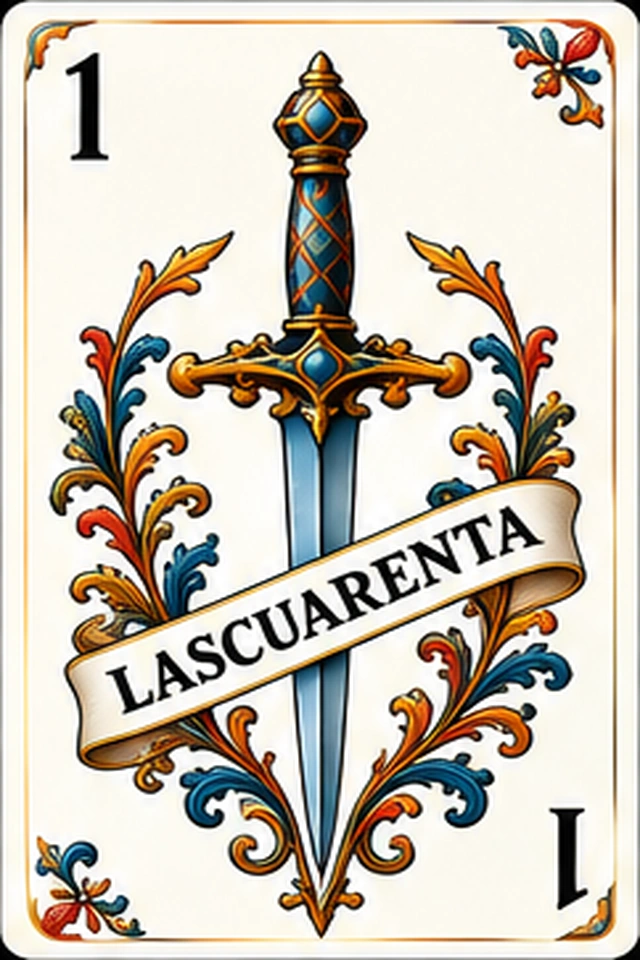
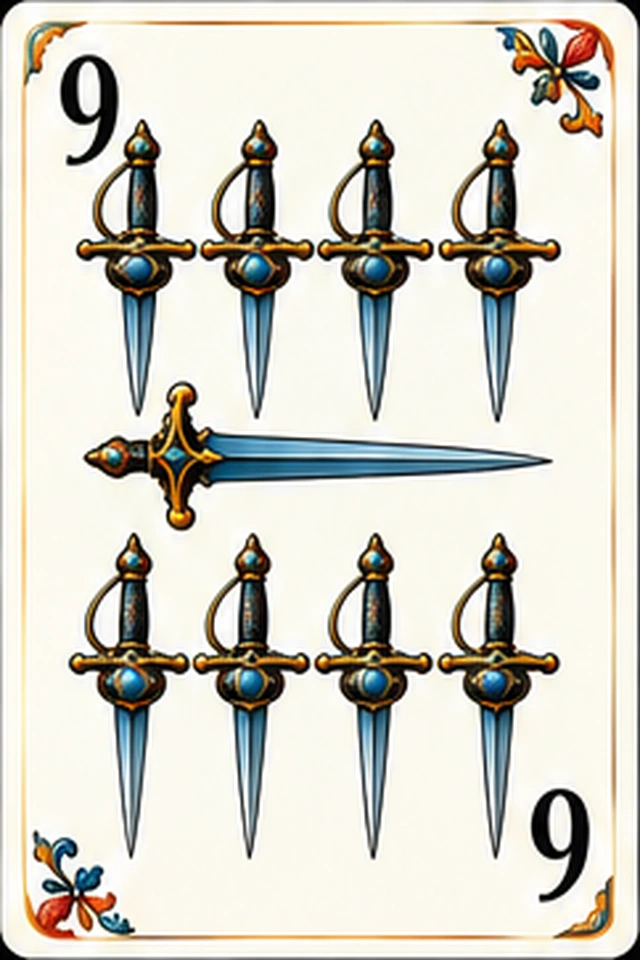
While cursed decks do not actually exist, legends abound, including those surrounding the as de picas (ace of spades) and the nueve de diamantes (nine of diamonds), known as the ‘curse of Scotland’. In Spanish tradition, everyday superstitions are more common, such as rituals involving lucky chairs or how the deck is handled at the table.
The as de picas
Its large, dark design, along with its use in some wartime contexts during the 20th century, made it a symbol of bad luck in the English-speaking world. In the French-suited deck, it was also the card that bore the tax stamp in England, which is why it is so ornate.
The ‘curse of Scotland’
The nueve de diamantes has had this nickname for centuries, and there are several theories about its origin, none of them proven. It is a good example of how legends arise: everyone repeats the story, but nobody knows where it comes from.
Superstitions around the Spanish card table
Many card-playing groups have their own rituals: the winner must not change chairs, a new deck ‘has no luck’ until it has been used for the first time, or you must not play with a bent card. These are part of folklore, as we explain in why we believe in luck.
What about the as de oros (ace of coins)?
In the Spanish deck, the card with the richest history is the as de oros (coins), not because it is cursed, but because it bears the maker’s signature. We tell its story in the history of the As de Oros.
Frequently asked questions
Which card is considered the card of death?
In English-speaking tradition, it is the as de picas (ace of spades) from the French-suited deck.
Are there cursed cards in the Spanish deck?
There is no similarly widespread legend; superstitions around the card table are more common.