

Curiosities
Can you play a perfect game?
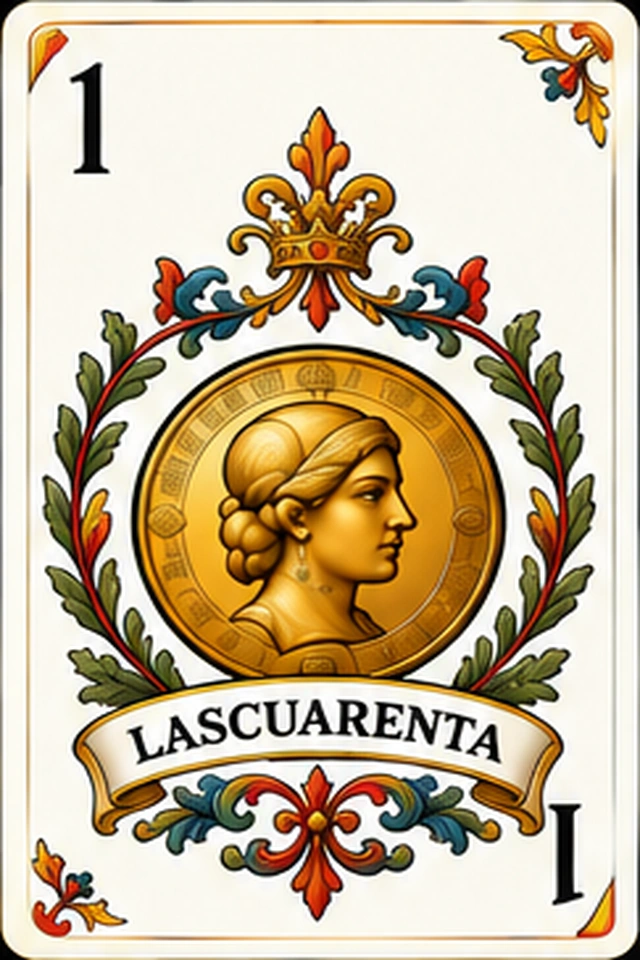
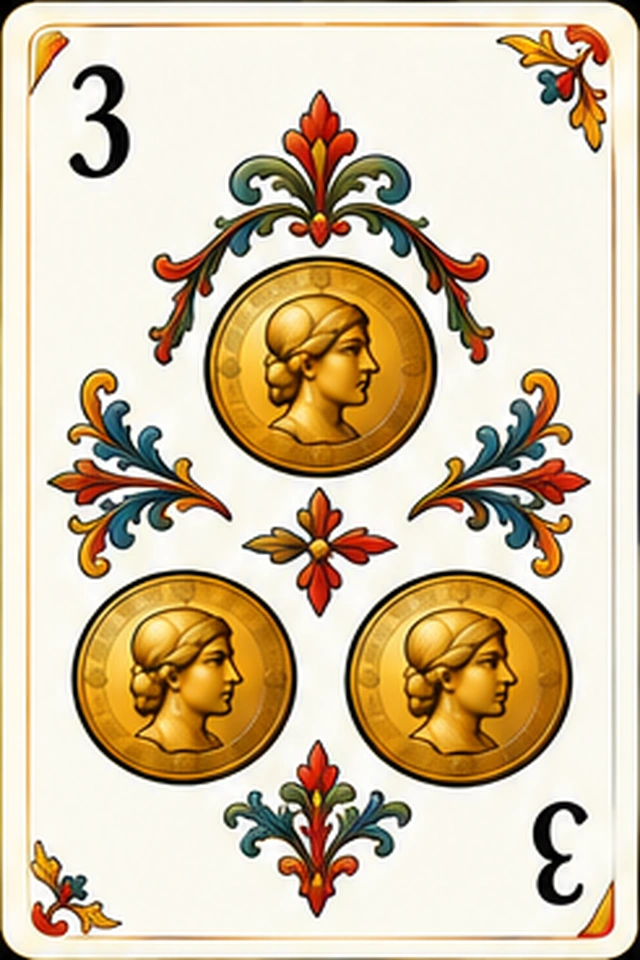
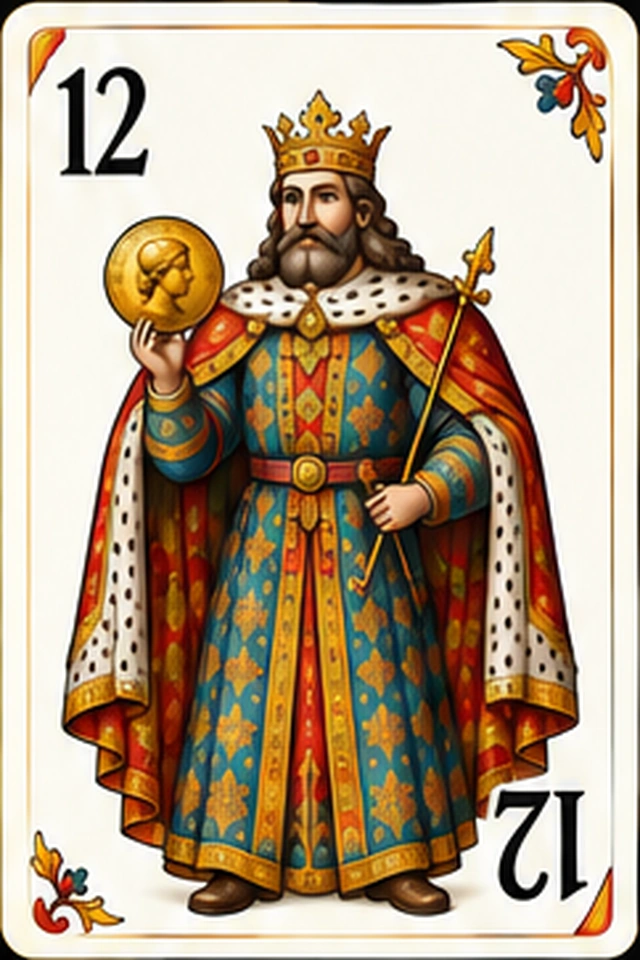
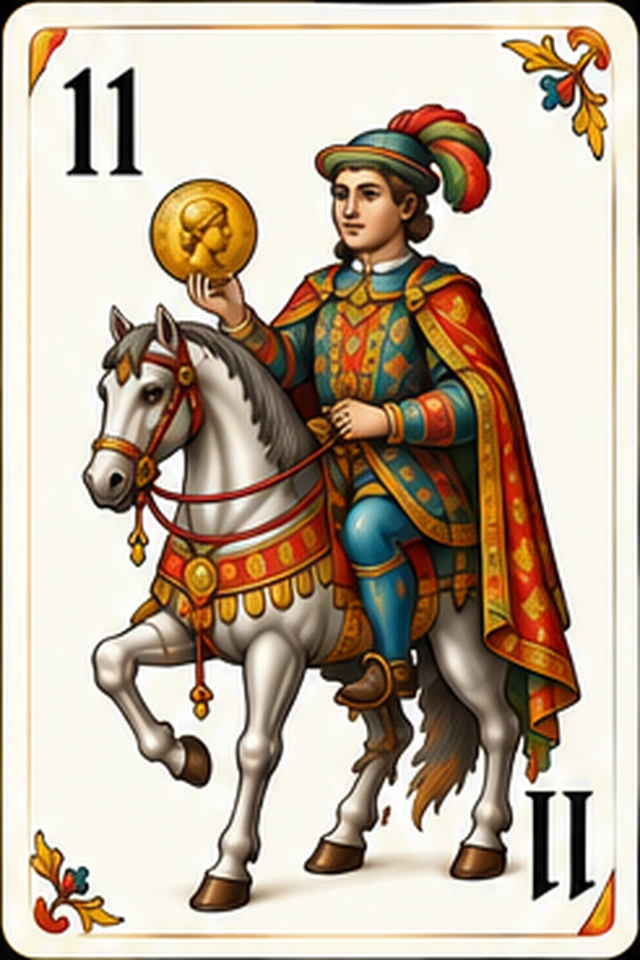
In card games, playing a perfect game does not guarantee victory: the deal depends on chance, and you cannot see anyone else’s cards. You can, however, make the optimal move: the one that gives you the best chance of winning in the long run with the information you have.
Complete and incomplete information
In chess, everything is in plain sight. In card games, it is not. You have to make decisions based on what you know and what you can deduce. That is why a player can make the best possible move and still lose the hand.
The perfect hand
Being dealt a hand that is impossible to lose with is a different matter. In Guiñote (a Spanish trick-taking game) or Tute (a Spanish trick-taking game), holding all the high trumps almost guarantees it. But these hands are incredibly rare, as we calculate in the probability of being dealt all four aces.
Playing well in the long run
Perfection in cards is measured over many games, not just one. Players who make better decisions win more often, even if they lose plenty of hands along the way. We explore this in what chance really means.
What about computers?
Programs can play games of incomplete information very well by calculating millions of possibilities. Even so, the luck of the deal still holds sway in any given hand. Our house players, for example, win often, but not always.
Frequently asked questions
Can you always win at cards?
No: the deal comes down to chance, and you cannot see your opponents’ cards, so even perfect play can lead to losing hands.
What is an optimal move?
The move that gives you the best chance of winning with the information available.