

Curiosities
What are the odds of being dealt all four ases (aces)?
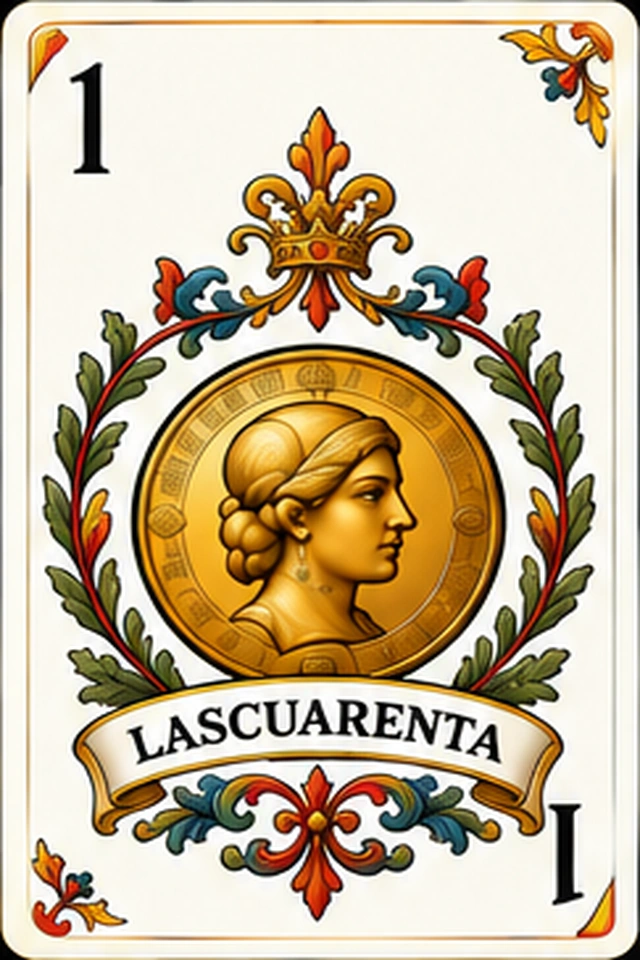
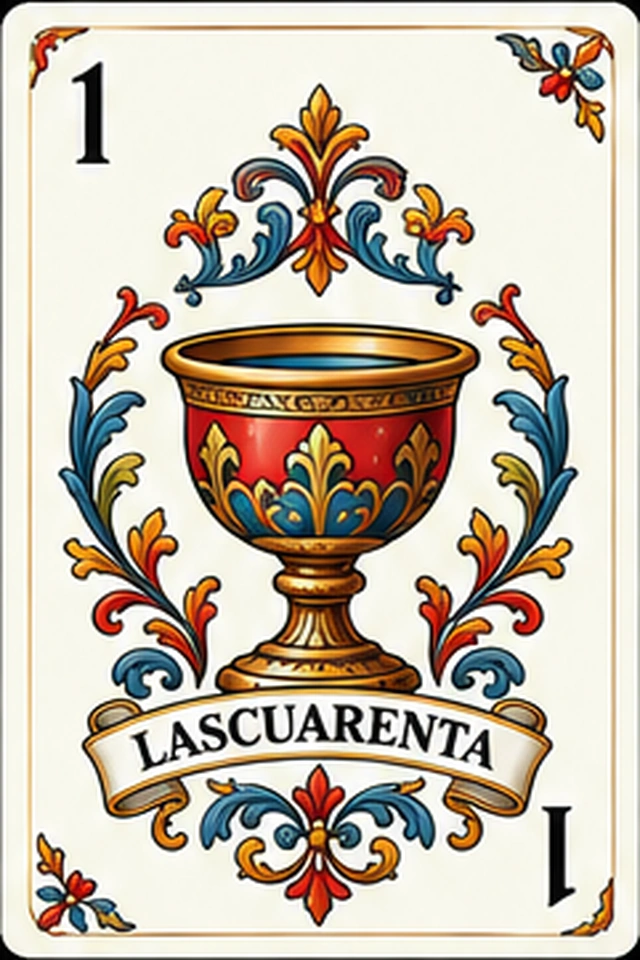
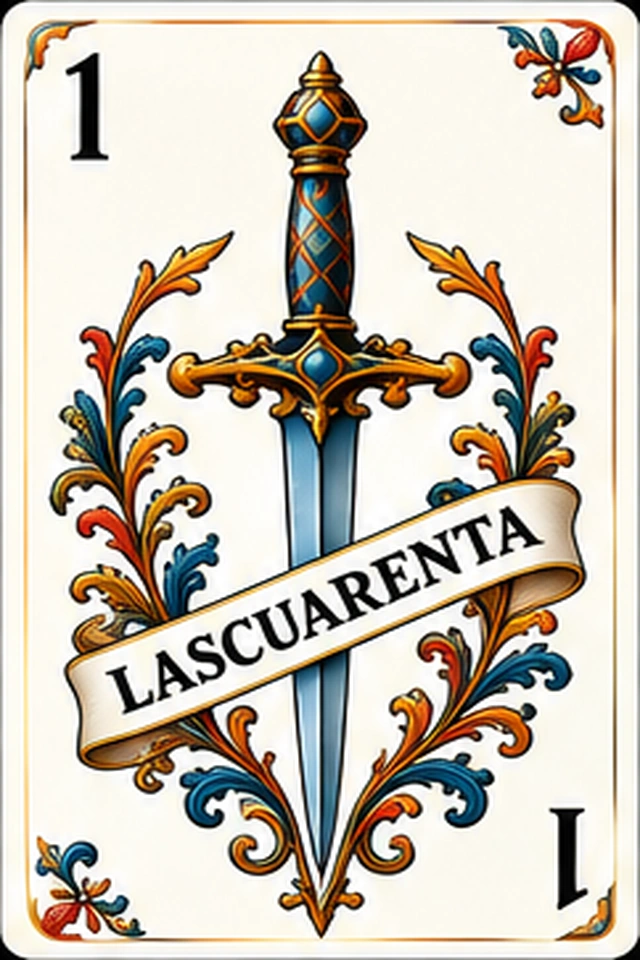
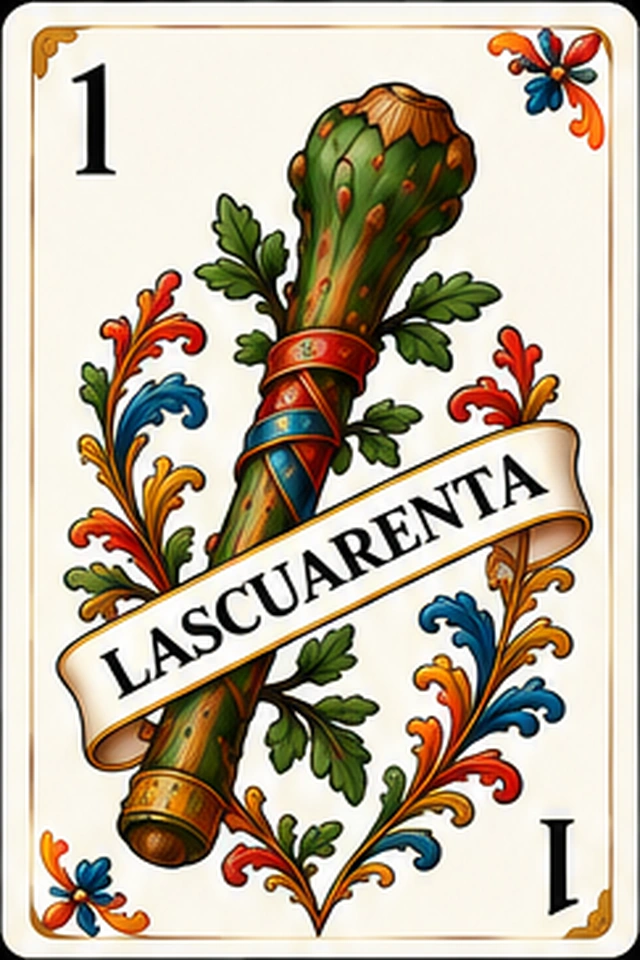
The odds of being dealt all four aces from a 40-card Spanish deck depend on how many cards you receive. They are approximately 1 in 18,278 with 5 cards, 1 in 2,611 with 7, as in Chinchón (Spanish rummy), and 1 in 435 with 10, as in four-player Tute (tute).
How to work it out
Count how many possible hands there are and how many contain all four aces. With 5 cards, there are 658,008 possible hands. To hold all four aces, your fifth card can be any of the other 36 cards: that gives 36 qualifying hands. 658,008 / 36 = 18,278.
More cards, better odds
The more cards you receive, the more room there is for aces. With 7 cards, there are 18,643,560 possible hands and 7,140 qualifying hands; with 10, there are more than 847 million possible hands and almost 2 million qualifying hands. If you play a lot of Tute, it may well have happened to you before.
What about four reyes (kings)?
The probability is exactly the same: any particular set of four cards is equally rare. What changes is its value. In Mus (mus), four kings (or four “kings” counting the treses (threes), depending on the variant) make a dream hand for the grande (high-hand round).
Want to know more?
These calculations use basic combinatorics. If you're curious, carry on with probability for beginners using cards or how many combinations a deck of cards has.
Frequently asked questions
Is getting four kings just as unlikely as getting four aces?
Yes, the probability is the same for any particular set of four cards.
What are the odds in Chinchón?
With 7 cards from a 40-card deck, approximately 1 in 2,611.