

Culture
Spanish traditions around card games
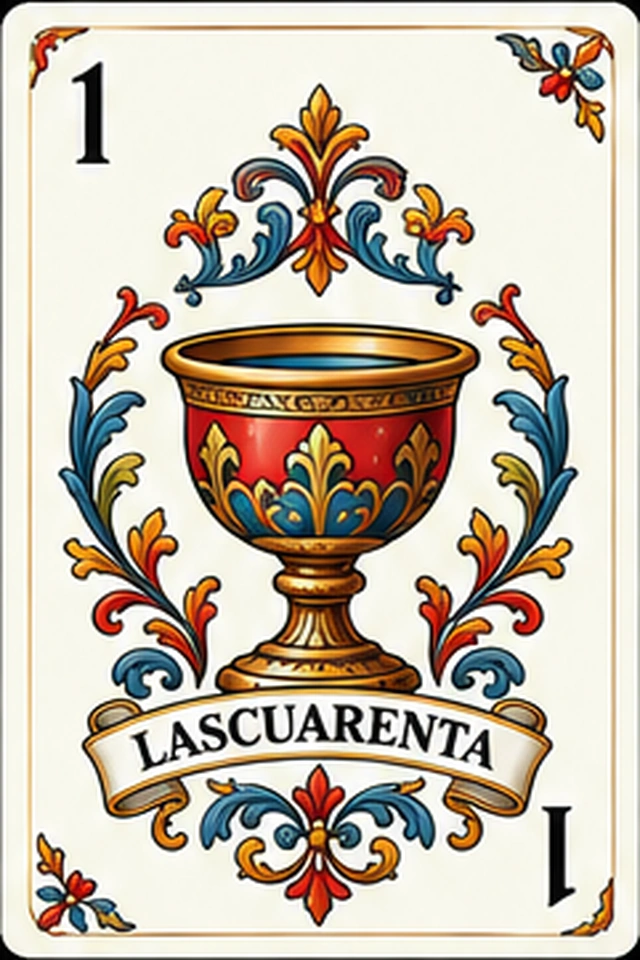
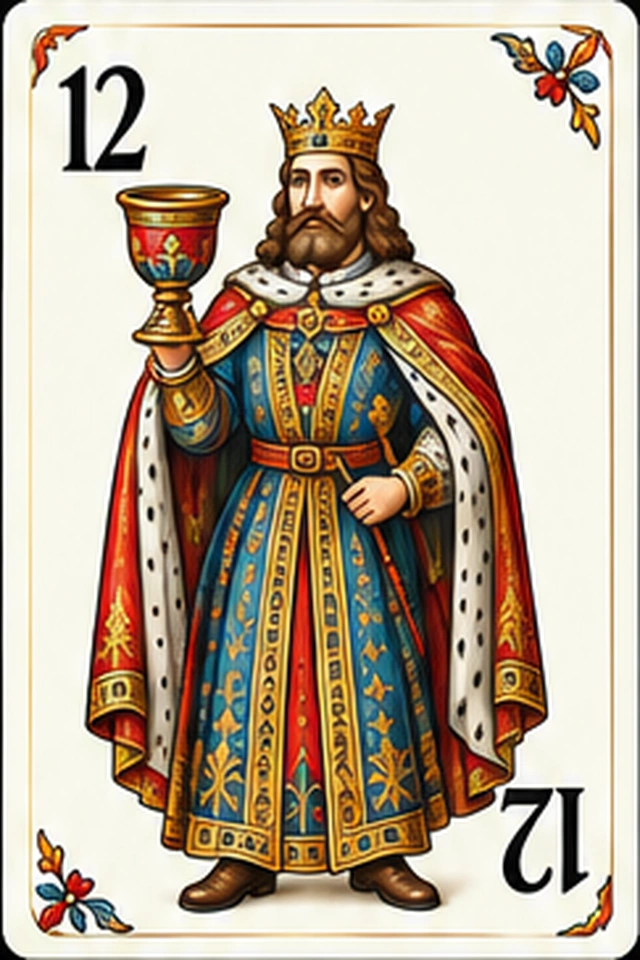
In Spain, card games are part of leisurely after-lunch gatherings, get-togethers in bars and village social clubs, and tournaments during patron saint festivals. Customs such as the loser buying the coffee make a game more than just a game: it is a chance to meet up and spend time together.
The after-lunch game
After lunch, especially on Sundays and during the holidays, out comes the deck. We explore this in lingering at the table after meals in Spain.
The festival tournament
In many villages, the festivities include a tournament of Mus (a partnership card game), Tute (a trick-taking card game) or Guiñote (a trick-taking card game), with modest prizes and plenty of rivalry. If you would like to organise one, read how to organise a tournament.
What is at stake when you are not playing for money
A coffee, a round of drinks or simply pride. Spain’s card-playing tradition is much more about socialising than betting.
Long-standing partners
Some partners play together for decades. They understand each other with a glance and argue just as they did on day one. It is part of the charm of village card games.
Frequently asked questions
When do people play cards in Spain?
Mainly while lingering at the table after meals, in bars and social clubs, and during local festivals.
What is at stake in traditional card games?
Usually a coffee or a round of drinks, more for the tradition than the money.