

Table games
Once-popular board games that have faded away
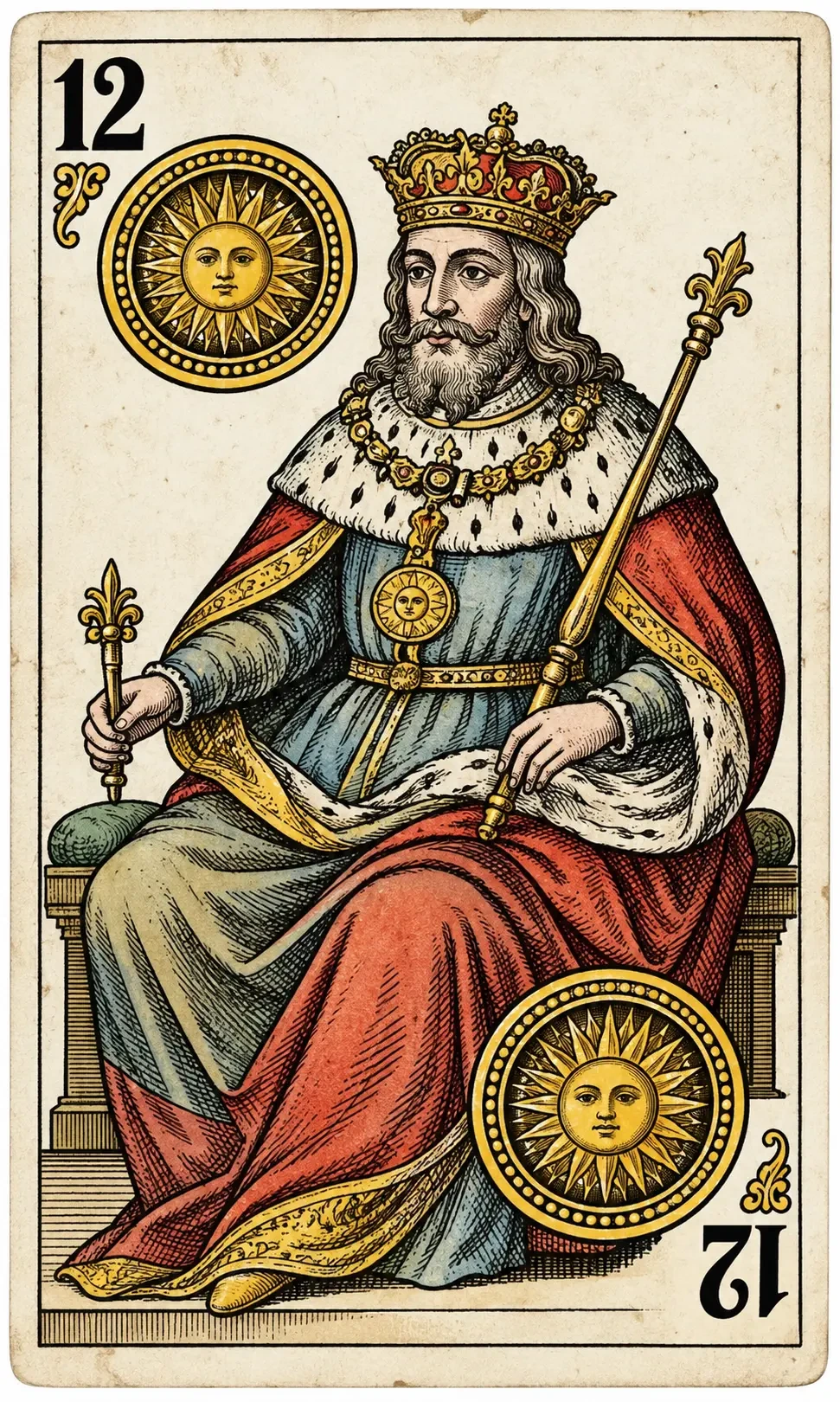
Egyptian Senet, Roman ludus latrunculorum, the many variants of medieval tables games and the card game Hombre (Ombre) went from being hugely popular to the preserve of historians and enthusiasts. Simpler or more fashionable games gradually displaced them until they disappeared from everyday life.
Senet and the Royal Game of Ur
They were played for centuries in Egypt and Mesopotamia, but their rules were lost. Today's versions are reconstructions. We explore this in what is the world's oldest board game?.
Roman games
Ludus latrunculorum and duodecim scripta disappeared with the Roman world, although the latter survived by evolving into tables games and backgammon. We take a look at them in how the Romans entertained themselves in Hispania.
Hombre
Hombre originated in Spain and was the fashionable card game across much of Europe during the 17th and 18th centuries. It is rarely played today, but it left its mark: it played a part in the 40-card deck, as we explain in why the Spanish deck has no 8s or 9s.
Why games disappear
Fashions change, lengthy games give way to quicker ones and, sometimes, people simply stop teaching children how to play. That is why it is worth keeping the games we have alive: Brisca (a trick-taking card game), Mus (a bluffing card game) and Guiñote (a trick-taking card game) are still with us because someone is still teaching them.
Frequently asked questions
What was Hombre?
A card game of Spanish origin that was very popular in Europe during the 17th and 18th centuries.
Why do games disappear?
Because fashions change, simpler games arrive and people stop passing them on.