

Playing cards
What was the Spanish deck like before Fournier?
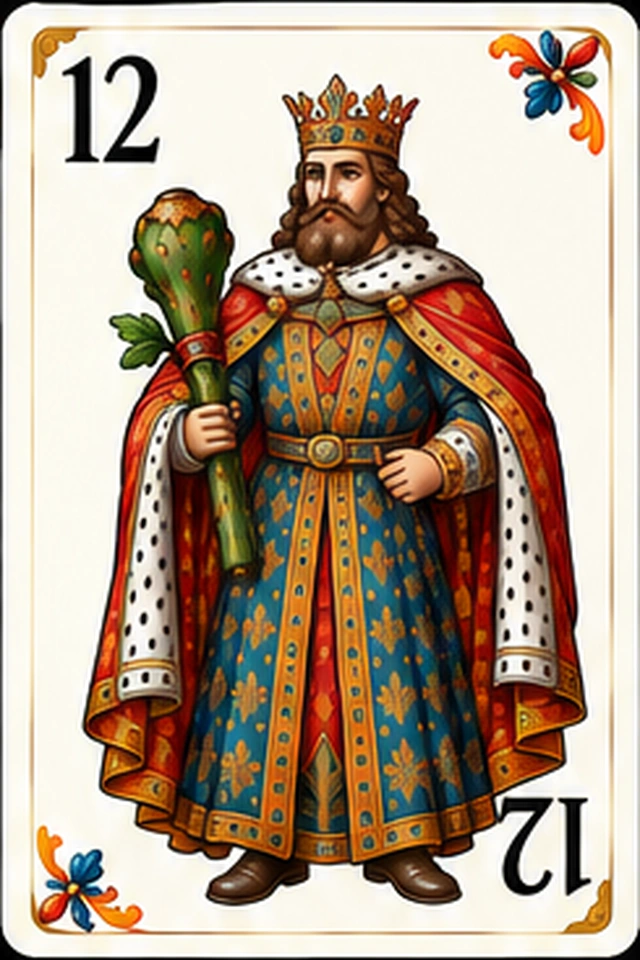
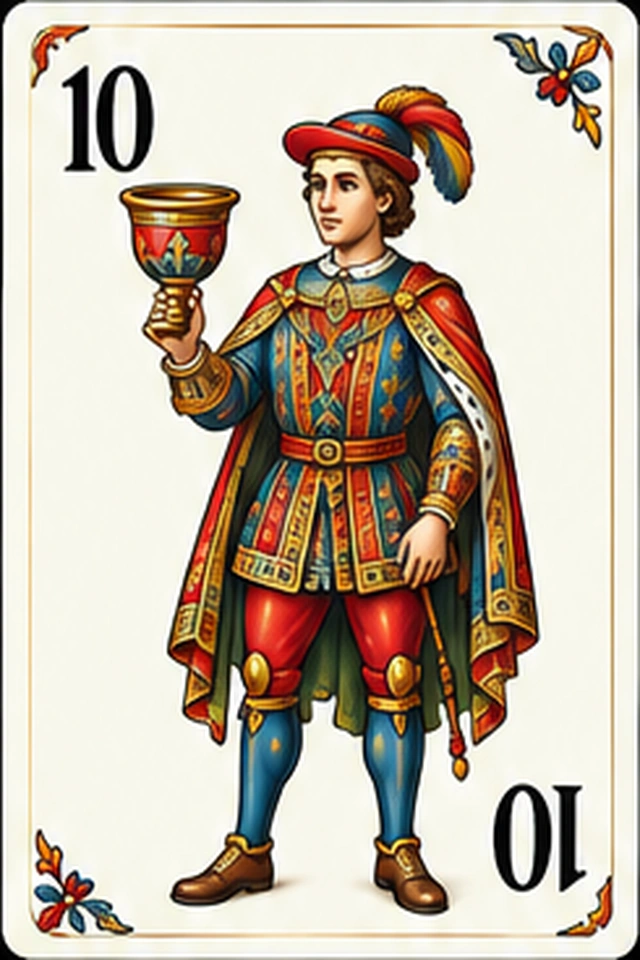
Before Heraclio Fournier standardised the deck in 1889, each workshop had its own way of drawing the cards, with regional patterns including Castilian, Catalan and Cadiz styles. Woodblock printing and stencil colouring gave each deck its own character.
Many workshops, many styles
Barcelona, Valencia, Seville, Toledo, Madrid... there were card makers in all of them. The figures changed their posture, the colours were different, and the designs of the suits varied. If you compare a card from the 17th century with one from today, you will recognise the suit, but the details will surprise you.
How they were made
The design was engraved onto a wooden block, printed on paper, and then coloured by applying paint through cut-out stencils, a technique known as "trepado". Afterwards, several sheets were glued together to give the card thickness. We cover this in how the first cards were manufactured.
The role of the State
In the 18th century, the Crown took control of production, which led to official factories such as the one in Macharaviaya. Later, in the 19th century, modern printing allowed Fournier to offer a unique, high-quality design. This is explained in how modern printing was born.
Frequently asked questions
What is the Castilian pattern?
One of the traditional designs of the baraja española, from which the modern Fournier design largely derives.
Where were cards manufactured before Fournier?
In workshops across cities like Barcelona, Valencia, Seville, Toledo, or Madrid, and later in royal factories.