

Game objects
How modern printing began and changed playing cards
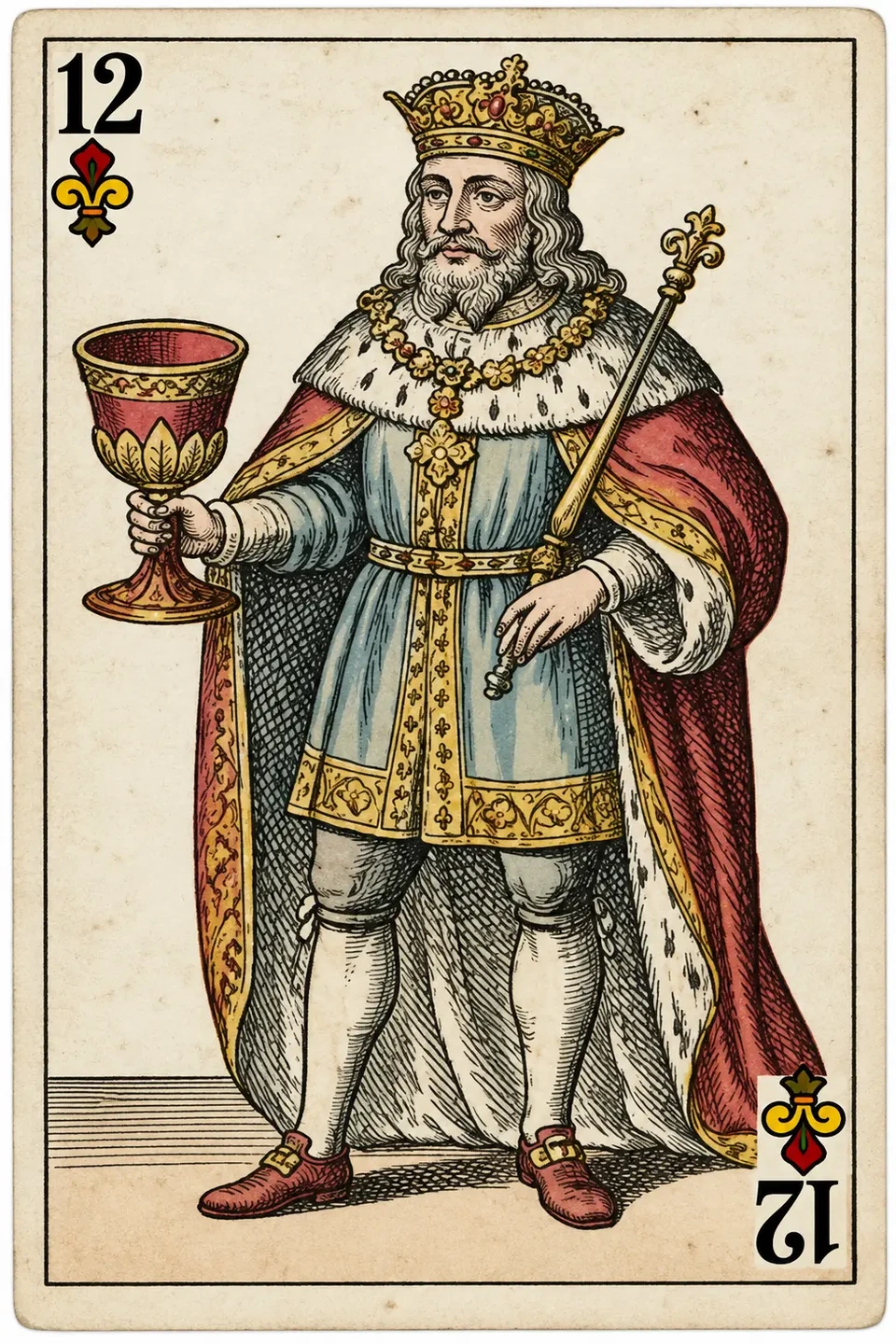
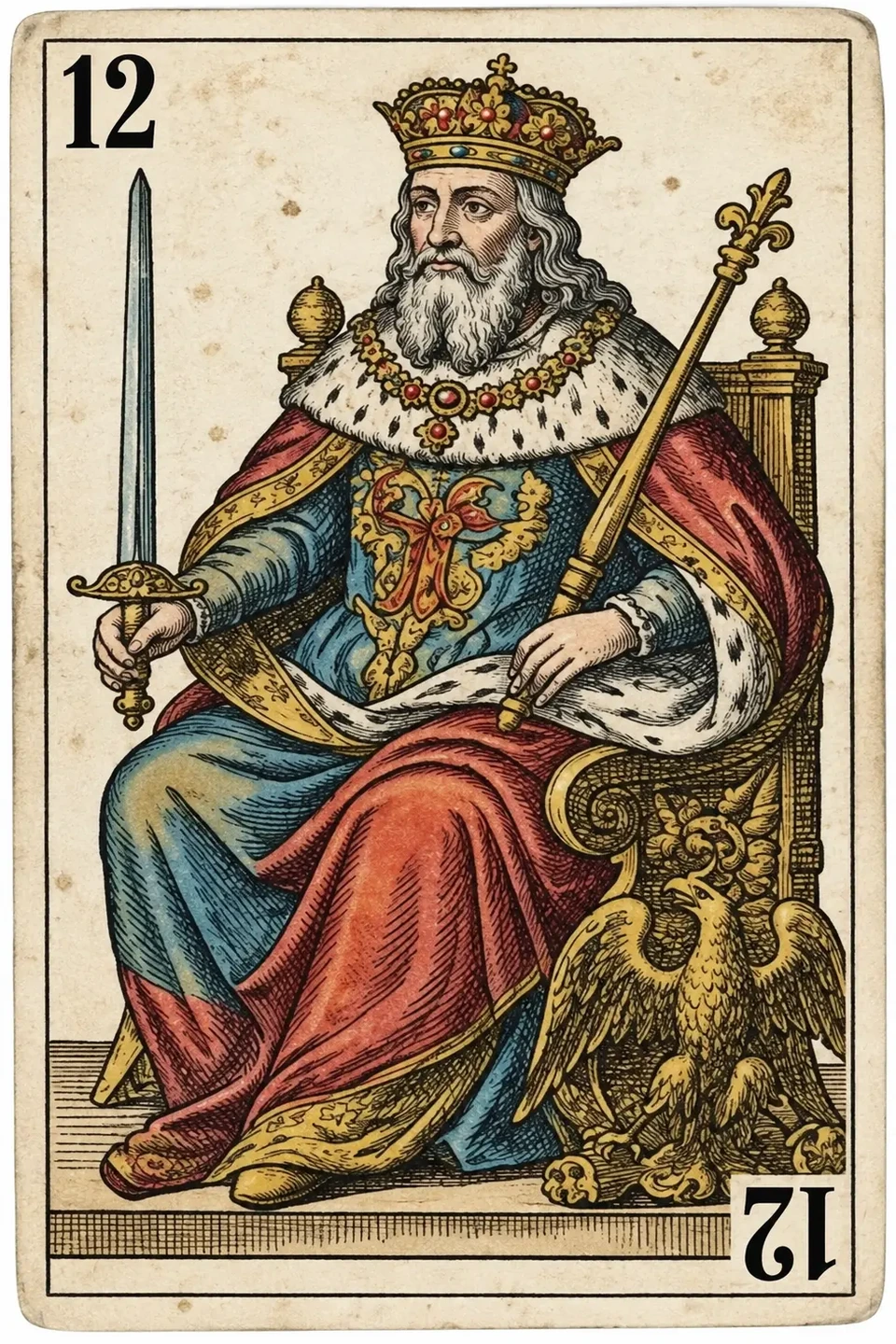
Modern printing took shape in several stages, from woodblock printing and Gutenberg’s movable-type press, around 1450, to lithography in the late 18th century and offset printing in the 20th century. Playing cards were among the first objects to be mass-printed in Europe.
Woodblock printing
A design was carved in relief into a wooden block, which was then inked and pressed onto paper. Cards were printed this way even before Gutenberg; afterwards, they were coloured by hand or with stencils.
Gutenberg
The movable-type printing press revolutionised books. For playing cards, wooden blocks or engraved metal plates remained widely used, because it was the image that mattered.
Lithography
This made it possible to print designs with brighter, more consistent colours. Many playing card factories adopted it in the 19th century; we explore this in the history of Heraclio Fournier.
Offset printing
Today, packs of cards are printed using offset or digital printing, with remarkable precision. We explain the process in how modern playing cards are made. And for the material they’re made from, read the history of paper.
Frequently asked questions
Were playing cards printed before Gutenberg?
Yes, using wooden blocks (woodblock printing).
What did lithography bring to playing cards?
Brighter, more consistent colours and increased production.