

Game psychology
Card games and healthy ageing
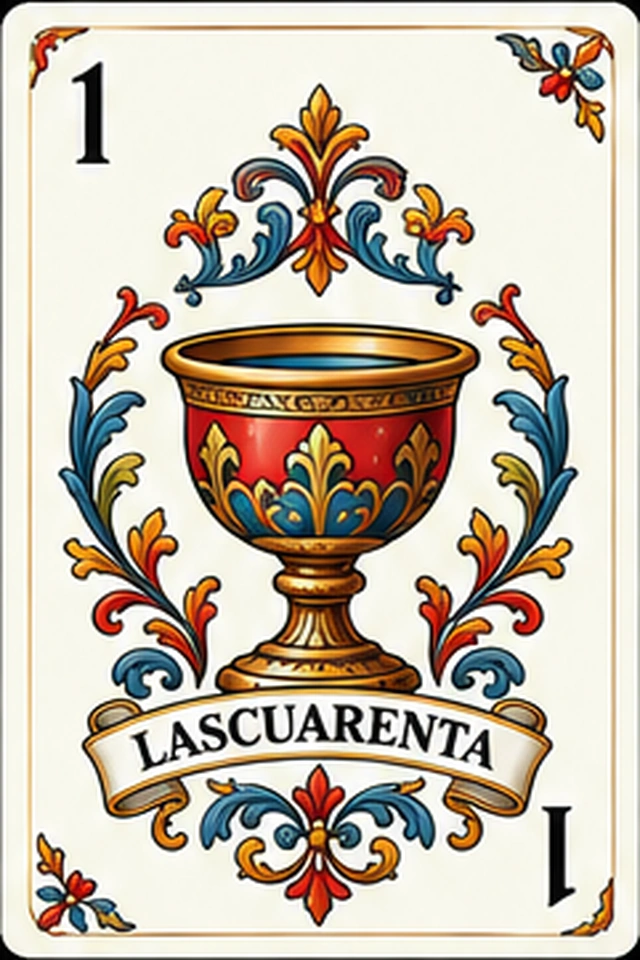
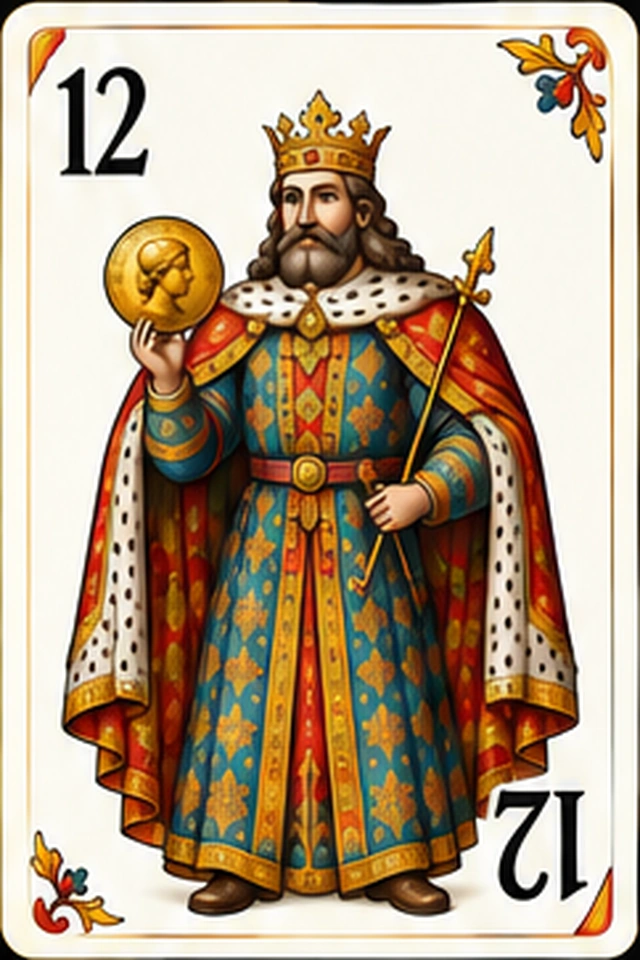
Card games bring together attention, memory, mental arithmetic and companionship, and several studies link mentally stimulating, social activities like these with healthier ageing. They are not a cure and do not guarantee benefits, but they can be an enjoyable way to keep your mind active and spend time with others.
An active mind
A game gets you remembering cards, adding up points and planning ahead. It is mental exercise without feeling like it. We explore this in card games and memory.
A social life
Loneliness is a significant risk factor in later life. A game at a community centre for older people or around the table after a meal is, above all, time spent with others. We discuss this in how games strengthen friendships.
Routine and purpose
A regular weekly game provides structure and something to look forward to. Many older people say their card game is what gets them out of the house.
Keeping the claims in perspective
The science points to associations, not miraculous effects. Playing cards is no substitute for physical exercise or medical care. But it is a good addition, and fun too.
If you have older family members at home, games such as Brisca (a trick-taking game) or Escoba (a fifteen-point fishing game) are perfect places to start.
Frequently asked questions
Does playing cards prevent Alzheimer’s disease?
There is no evidence that it prevents it; playing cards is associated with healthier ageing, but it is not a cure.
Which games are good for older people?
Brisca, Escoba, Chinchón (a rummy-style game) or Tute (a trick-taking game), depending on personal taste.