

Game psychology
Why does strategy make a game more fun?
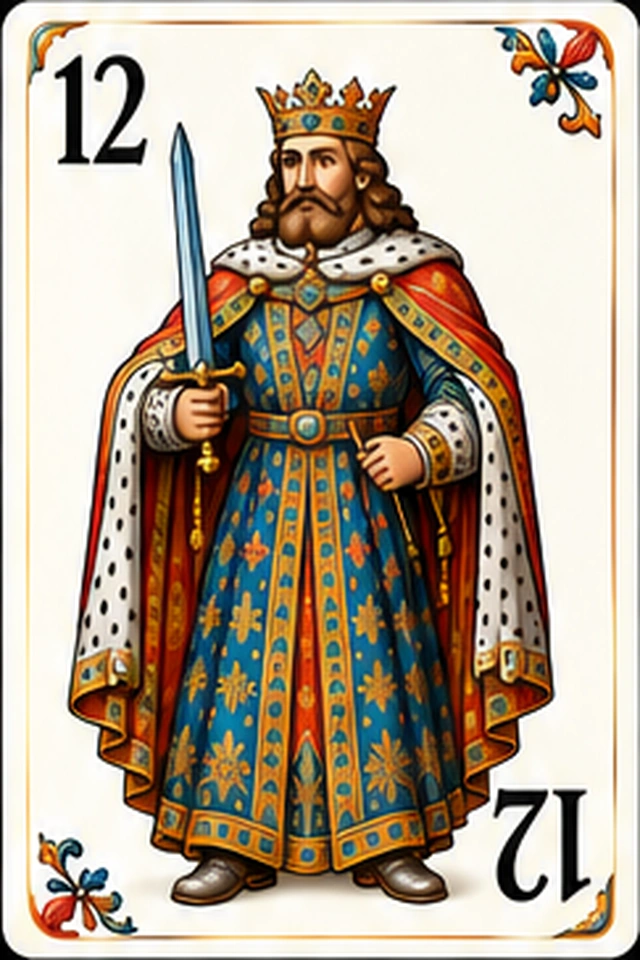
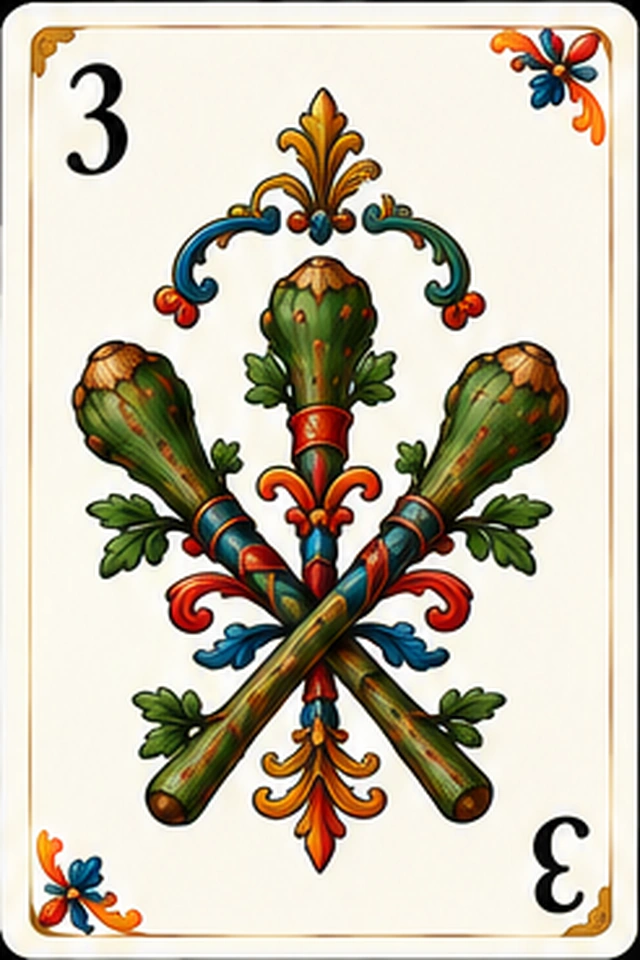
Strategy makes a game more fun because it gives us a sense of control and lets our decisions matter. Pure luck loses its appeal, while a game without any luck can feel too demanding. Games played with Spanish cards combine both ingredients.
Making decisions keeps us hooked
Every card is a small decision: take a risk or hold back, add points to the trick or not. When you get it right, the satisfaction is yours. We explore this in what happens in the brain when we win.
Luck levels the playing field
The deal gives a beginner the chance to beat an expert now and then. That keeps everyone at the table. We explain this in what luck really is.
Depth without complexity
You can learn the rules of Brisca (a Spanish trick-taking game) in five minutes, but keep improving for years. That balance is the hallmark of a great game.
Playing as a team
In Mus (a Spanish partnership betting game) or Guiñote (a Spanish trick-taking game), strategy is shared: you need to understand your partner. We explore this in why we enjoy competing.
Frequently asked questions
Why do games based purely on luck get boring?
Because our decisions don’t change the outcome.
Which games combine luck and strategy?
Almost all games played with a Spanish deck: Brisca, Tute (a Spanish trick-taking game), Guiñote, Mus or Chinchón (a Spanish rummy-style game).