

Game psychology
Card games and memory: why playing helps you remember
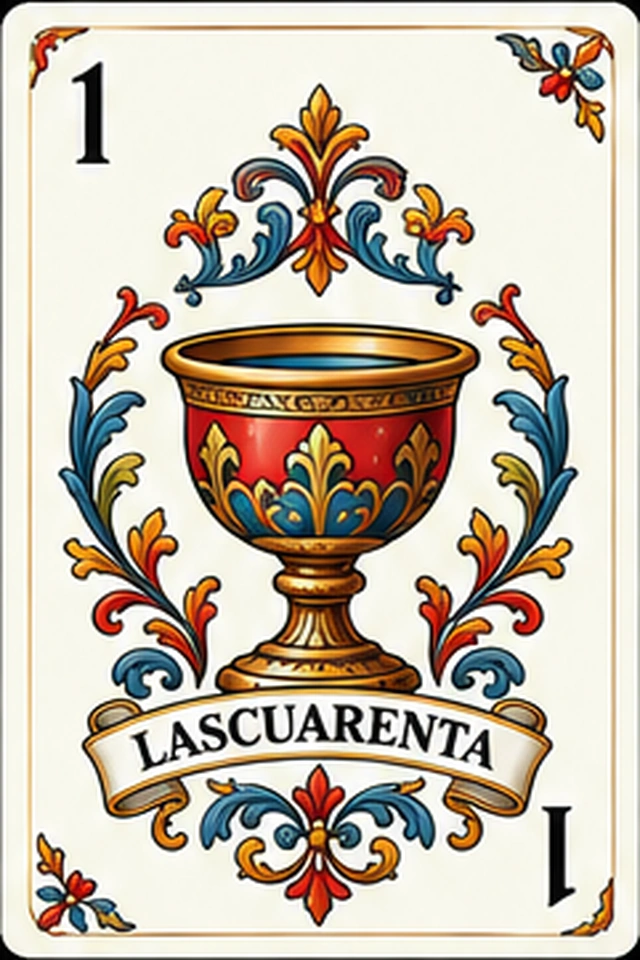
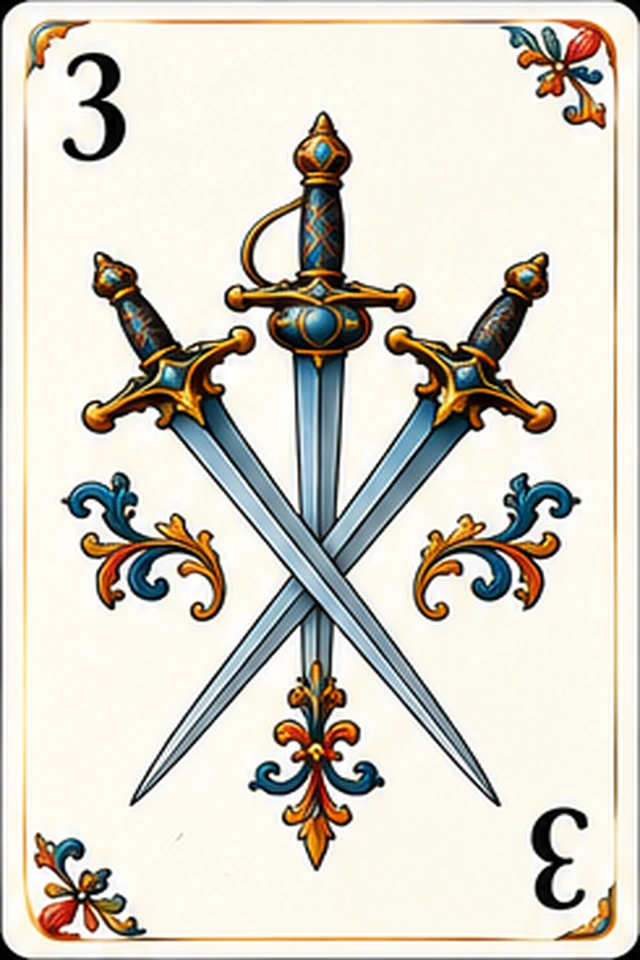
Playing cards particularly exercises working memory, which lets you hold and process information for a few minutes. Remembering which trumps have been played or which suits someone is void in puts that ability to work, and playing regularly is an enjoyable way to keep it active.
The memory we use when playing
During a hand of Guiñote (a Spanish trick-taking game) or Cuatrola (a Spanish trick-taking game), you are constantly storing information: which ases (aces) have been played, who has declared a scoring combination, who did not follow suit in copas (cups). You use and update that information with every trick. That is working memory in action.
Memory and attention
To remember something, you first need to notice it. Games require sustained attention, without distracting screens, and encourage you to connect pieces of information. They also exercise long-term memory: rules, strategies and habits that you learn once and use for decades.
At any age
Many studies associate mentally stimulating, social activities, such as board games and card games, with healthier ageing. They are no miracle cure, but they are a good habit: they combine mental challenges, conversation and routine.
Tips for remembering more at the table
- Keep track of only what matters: trumps and aces first.
- Notice who does not follow suit; we explain this in what it means to be void in a suit.
- Mentally review the trick before playing.
To practise without pressure, you can play against bots in any of our games.
Frequently asked questions
Which types of memory does playing cards exercise?
Mainly working memory, as well as attention and long-term memory.
Does playing cards prevent cognitive decline?
It is not a cure, but stimulating, social activities are associated with healthier ageing.