

Game objects
The history of paper: from China to Xàtiva and playing cards
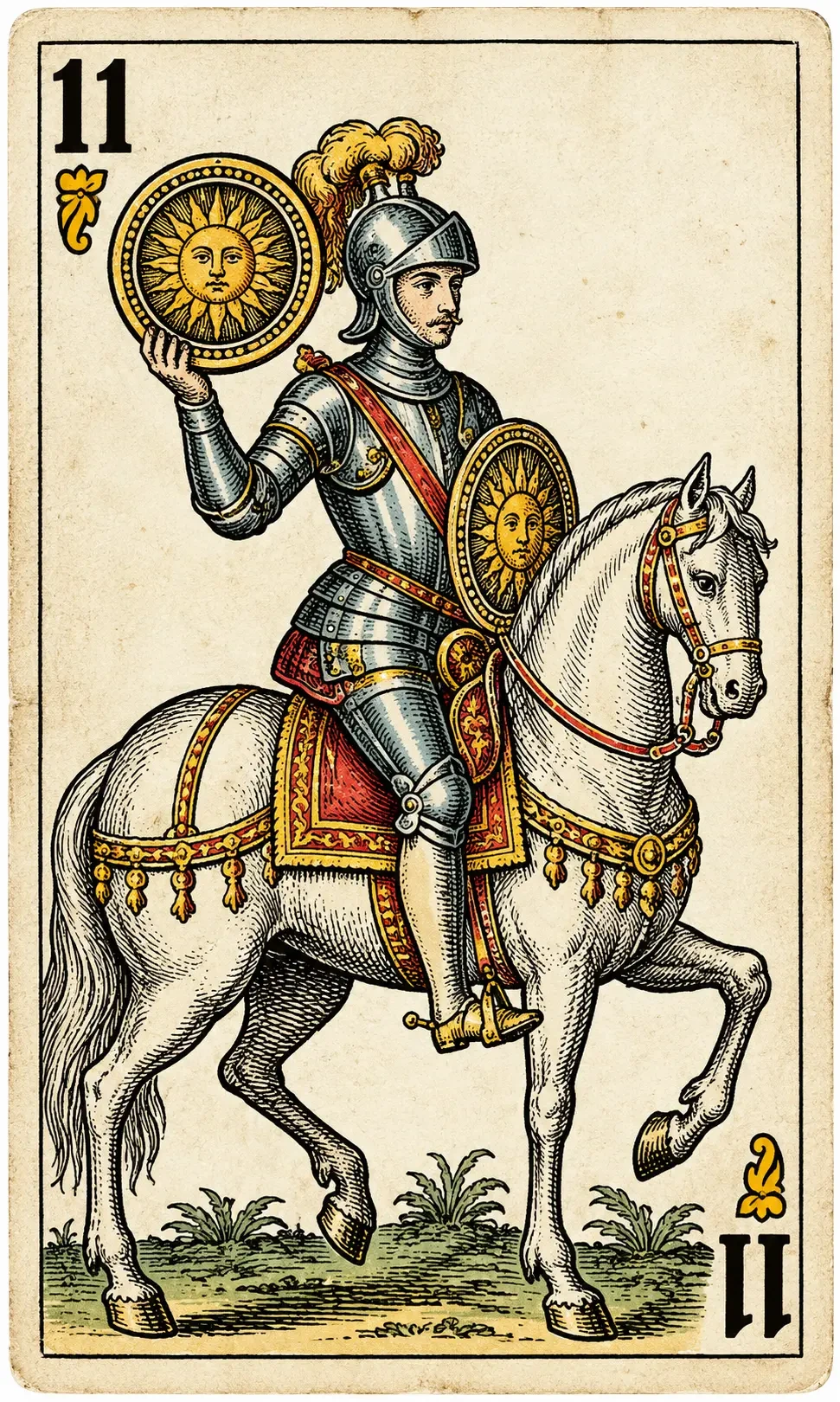
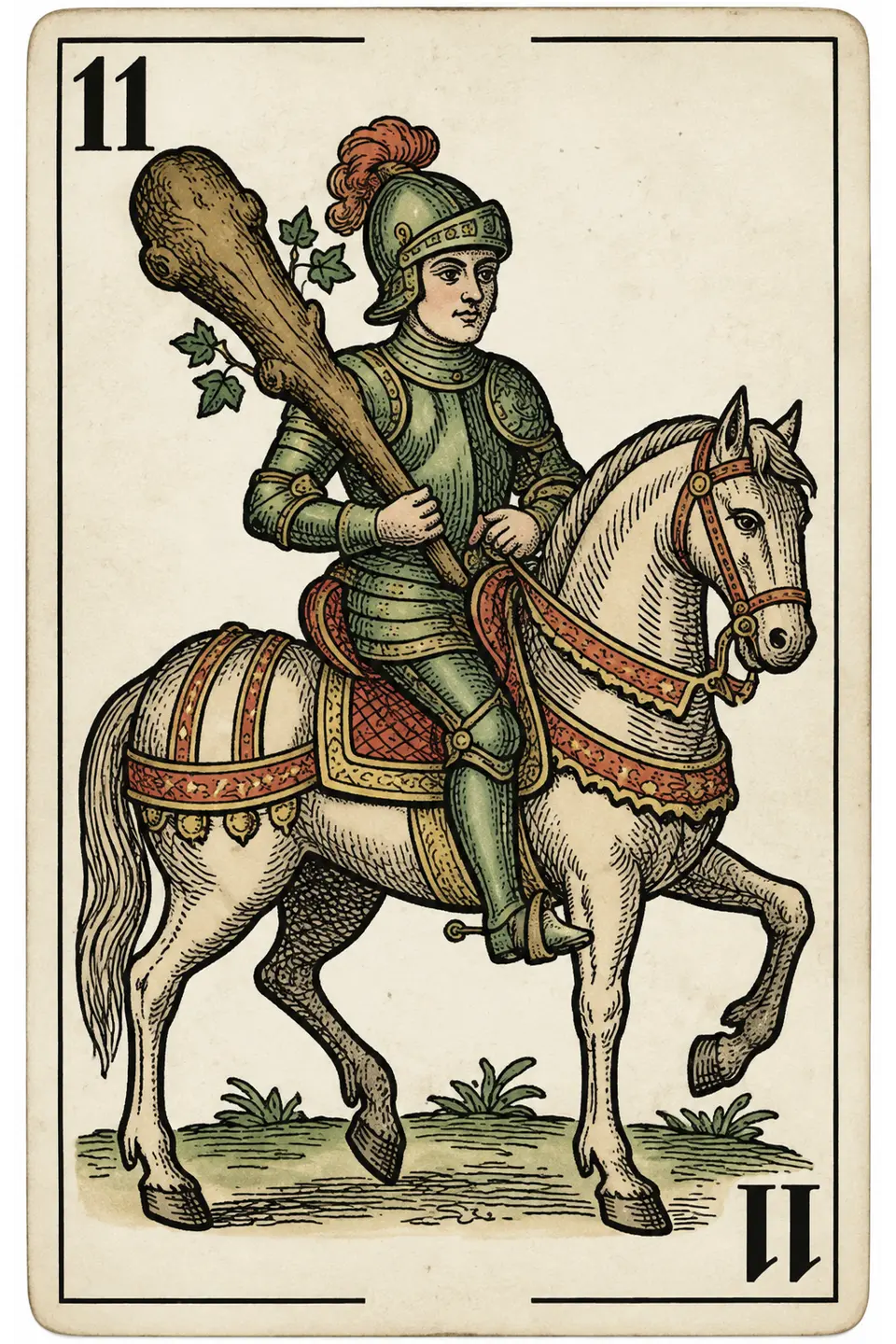
Paper was invented in China around 2,000 years ago, spread to the Islamic world in the 8th century and reached Europe through al-Andalus. Xàtiva, in Valencia, was one of Europe’s earliest papermaking centres, around the 11th and 12th centuries. Falling paper prices were essential to making playing cards widely available.
The Chinese invention
Tradition credits Cai Lun, an official at the Chinese court, with improving the process in the early 2nd century, although earlier fragments of paper survive. Paper was made from plant fibres, rags and bark.
The journey west
Paper spread through Central Asia and reached Baghdad and Damascus. From there, it travelled to North Africa and the Iberian Peninsula. Xàtiva produced highly prized paper that was exported.
Paper and playing cards
Playing cards were made from several sheets of paper glued together. As paper became cheaper, packs of cards no longer had to be luxury items. We explain this in how the first playing cards were made.
Then came printing
The next major step was printing. We tell the story in how modern printing began. Today, playing cards are made from specialist card stock, as we explain in how modern playing cards are made.
Frequently asked questions
Where was paper invented?
In China, around 2,000 years ago.
Why is Xàtiva important?
It was one of Europe’s earliest papermaking centres.