

Game objects
Why are coins round?
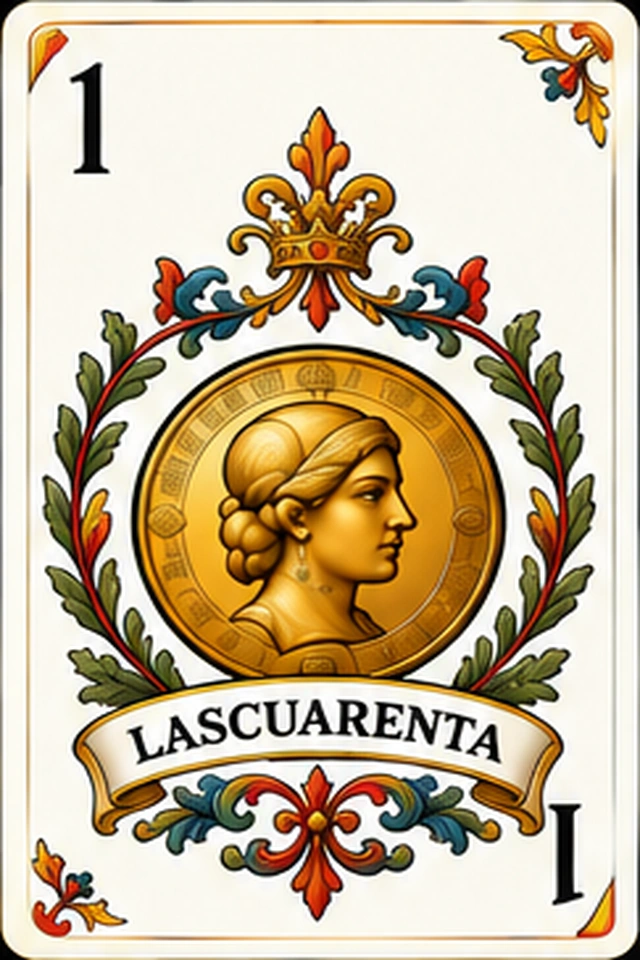
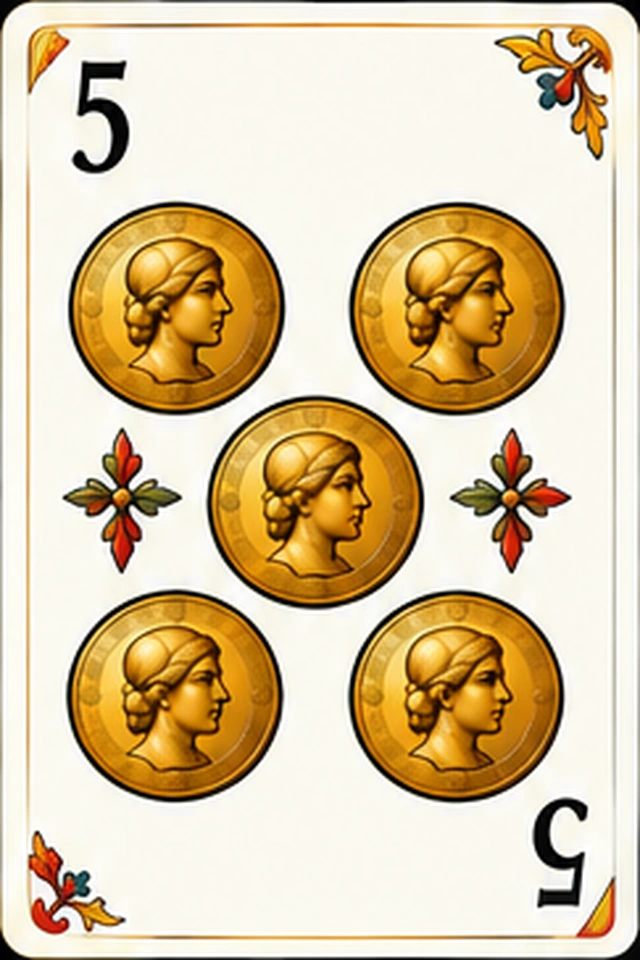
Coins are round because that shape is the easiest to mint from a piece of metal, is comfortable to carry and has no corners to wear down or break off. What’s more, marked edges make it easier to spot if someone has clipped metal from the rim.
A shape born from the metal itself
The first coins, made in Lydia (modern-day Turkey) around the 7th century BC, were drops of metal struck with a die. A flattened drop of metal naturally tends to become round. We explore this in our history of coins.
No corners
A corner can wear down, bend or catch on clothing. A circle spreads wear evenly and lasts longer.
Preventing clipping
For centuries, coins were worth the metal they contained, and some people clipped a little from the edge to keep the silver. Ridged edges or edges bearing inscriptions became widespread so that this clipping would be noticeable.
The exceptions
Some coins are polygonal, have a hole or feature a wavy edge, often to make them distinguishable by touch. But most are still round.
And in the deck
The oros (coins) in the Spanish deck are, in fact, round coins. We explain this in what the suits mean.
Frequently asked questions
What were the first coins?
Those from Lydia, dating to around the 7th century BC.
Why do coins have ridged edges?
To make it noticeable if someone clipped metal from the edge.