

Playing cards
The first playing card factories in Spain
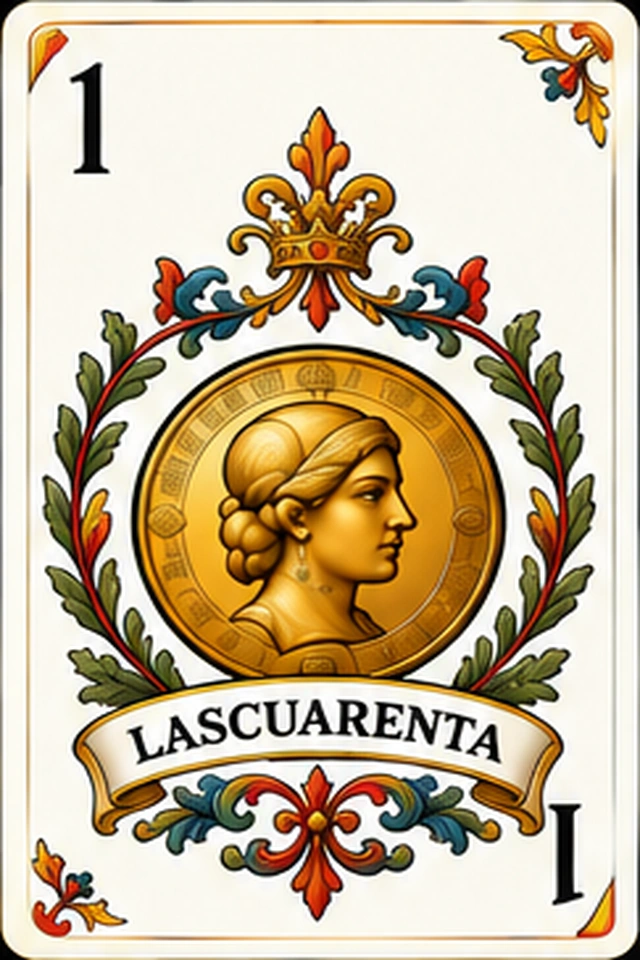
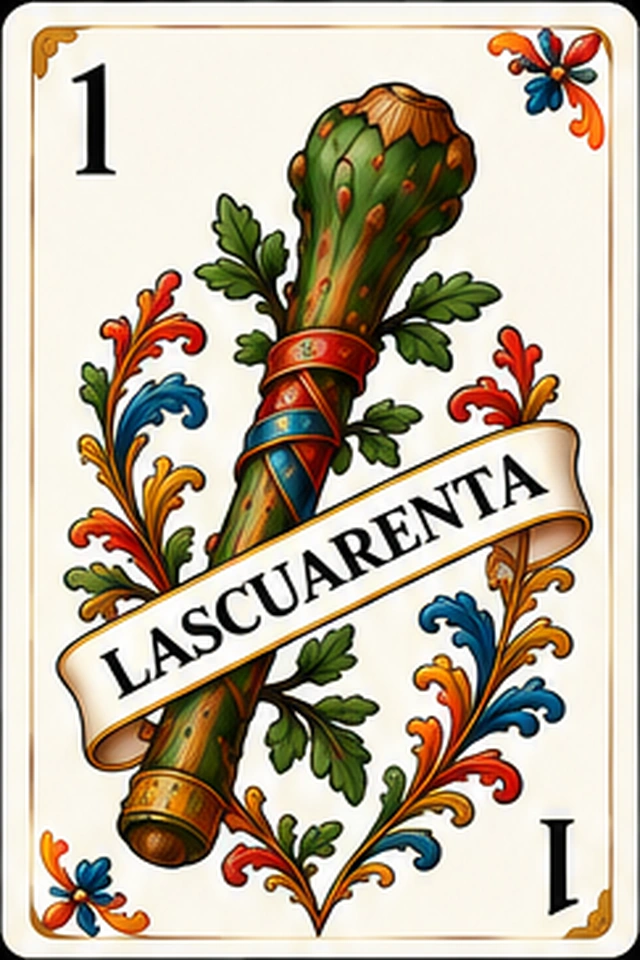
Spain's first playing card factories were really artisan workshops, operating in the 15th and 16th centuries in cities including Barcelona, Valencia, Seville, Toledo and Madrid. Card makers later formed guilds, before the Crown centralised production in the 18th century through Royal Factories such as the one in Macharaviaya.
Workshops and guilds
In the beginning, these were family businesses: the father engraved the plates while the mother and children applied the colours. As gambling and games became more popular, guilds emerged to regulate who could manufacture cards and how. Seville, due to its port, was highly significant because decks were shipped from there to the Americas.
The Crown's business
Decks of cards sold in huge numbers, and the Crown saw a source of revenue. First, they charged taxes, and later they established a monopoly (estanco): only official playing cards could be sold. We explain this in Carlos III, monopoly and card smuggling.
The most famous factory
The Real Fábrica de Naipes de Macharaviaya, in Málaga, was for decades the only one authorised to produce decks for the Americas. Finally, in the 19th century, the modern industry arrived with Heraclio Fournier in Vitoria.
Frequently asked questions
Were there card-making guilds?
Yes, in several cities, playing card manufacturers organised themselves into guilds with their own specific regulations.
What was the playing card 'estanco'?
It was the Crown's control over the manufacture and sale of decks, which became a significant source of royal revenue.