

Rules and concepts
Truc and Truco: are they the same game?
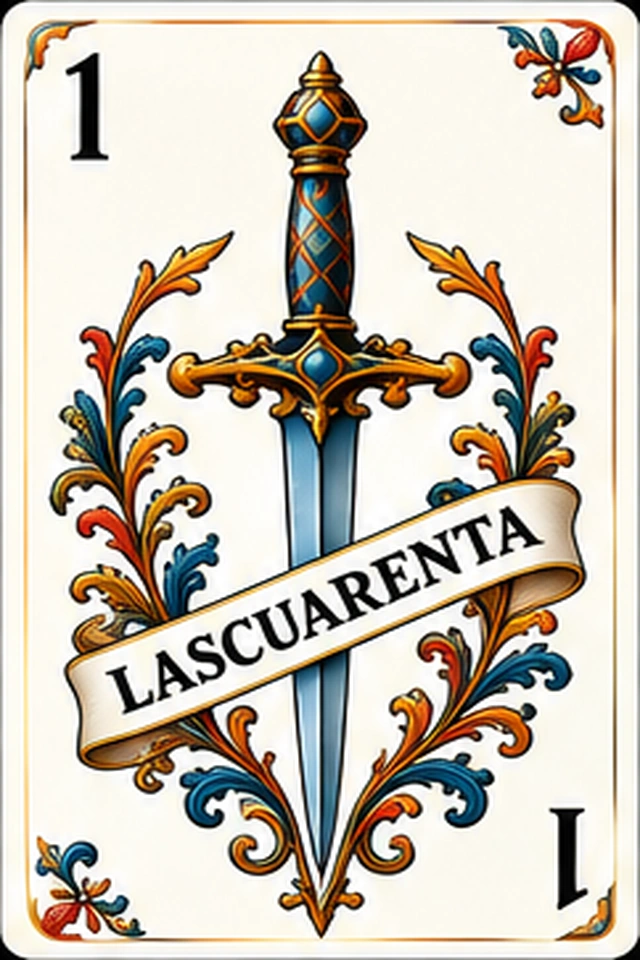
Truc (a trick-taking card game) and Truco (a related trick-taking card game) are not exactly the same game, but members of one family with local variations. Valencian Truc, Mallorcan Truc, Aragonese Truque (the local version) and the Truco played in Argentina and Uruguay share three tricks, challenges to raise the value of the hand, and the use of bluffs and signals to deceive opponents.
A common ancestor
Historians trace this family’s origins to the Crown of Aragon and southern France, centuries ago. From there, it spread across the Mediterranean and, with emigration, travelled to the Americas, where it became enormously popular.
Meet the family
- Valencian Truc: a reduced deck and distinctive signals.
- Mallorcan Truc: played with a muestra (indicator card) and dominant cards.
- Truque: the version played in Upper Aragon, with its own rules.
- Argentinian Truco: played with flor (a three-card same-suit combination) and to 30 points.
What never changes
In all of them, the as de espadas (ace of swords) usually rules the roost, and bluffing is just as important as the cards. For a detailed comparison, take a look at Argentinian Truco vs Valencian Truc.
Frequently asked questions
Where is Truque played?
Mainly in Upper Aragon and nearby areas, with its own rules.
Why is it called Truco?
The name comes from the verb ‘trucar’, which in Catalan and Occitan is associated with striking or challenging.