

Rules and concepts
Escoba (Broom) and Scopa: the differences
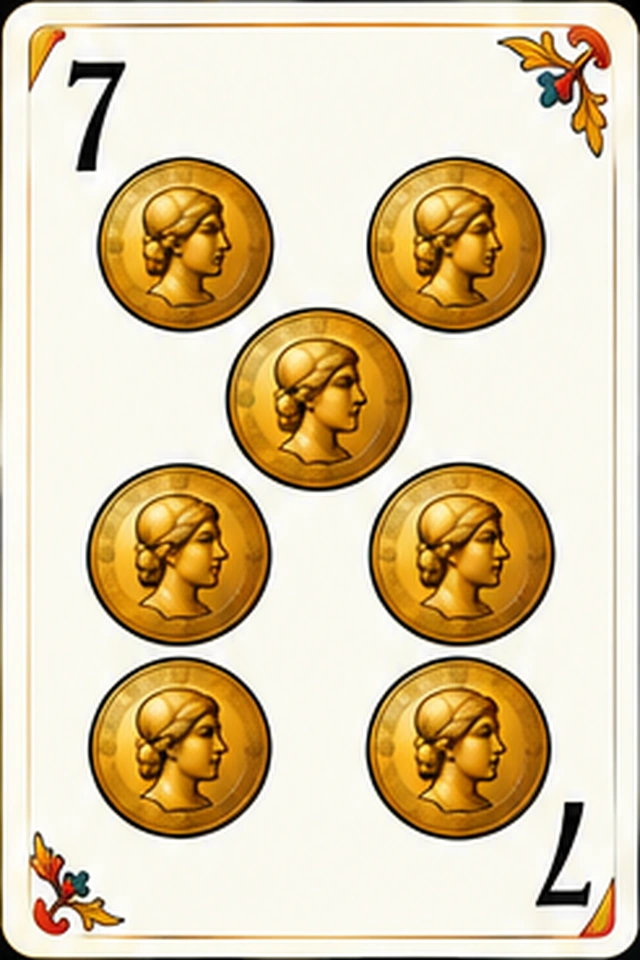
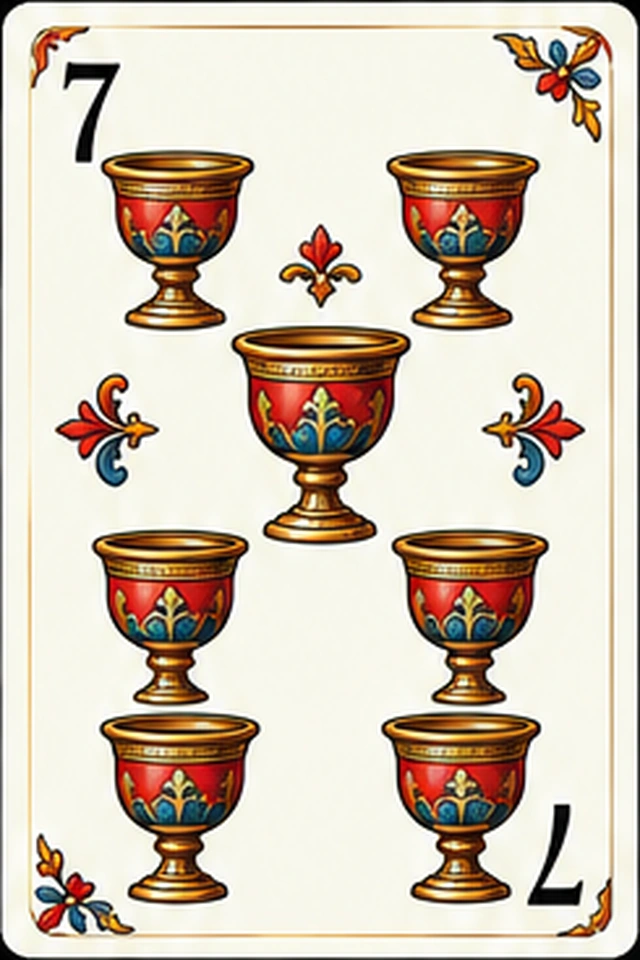
The main difference between Spanish Escoba (Broom) and Italian Scopa is how you capture cards: in Escoba, you combine a card from your hand with cards on the table to make exactly 15, while in Scopa your card captures another of the same value or a group that adds up to its exact face value.
What they have in common
- A 40-card deck with Latin suits.
- Four face-up cards on the table at the start and three cards for each player.
- A reward for clearing the table: an escoba (a sweep, literally ‘broom’), or scopa, which also means ‘broom’ in Italian.
- Points at the end for having the most cards, the most oros (coins), or denari, and the siete de oros (seven of coins).
How they differ
- The total: 15 in Spain; the value of your card in Italy.
- The court cards: in Escoba, the sota (jack) is worth 8, the caballo (knight) 9 and the rey (king) 10; in Scopa, the values are similar, but they are used differently.
- The ‘primiera’: in Scopa, there is a special point for the best combination of cards from each suit.
Which is harder?
Escoba involves more adding up, so it calls for a little more mental arithmetic. If you want to get started, take a look at the basic rules of Escoba. And to meet the rest of the Italian family, explore the Italian cousins.
Frequently asked questions
Do you add up to 15 in Scopa?
No. In Scopa, a card captures another of the same value, or several cards that add up to that value.
What is an escoba (sweep)?
Capturing all the cards on the table in one go. In both games, it earns an extra point.