

Rules and concepts
Guiñote Strategy: How to Play Better as a Partnership

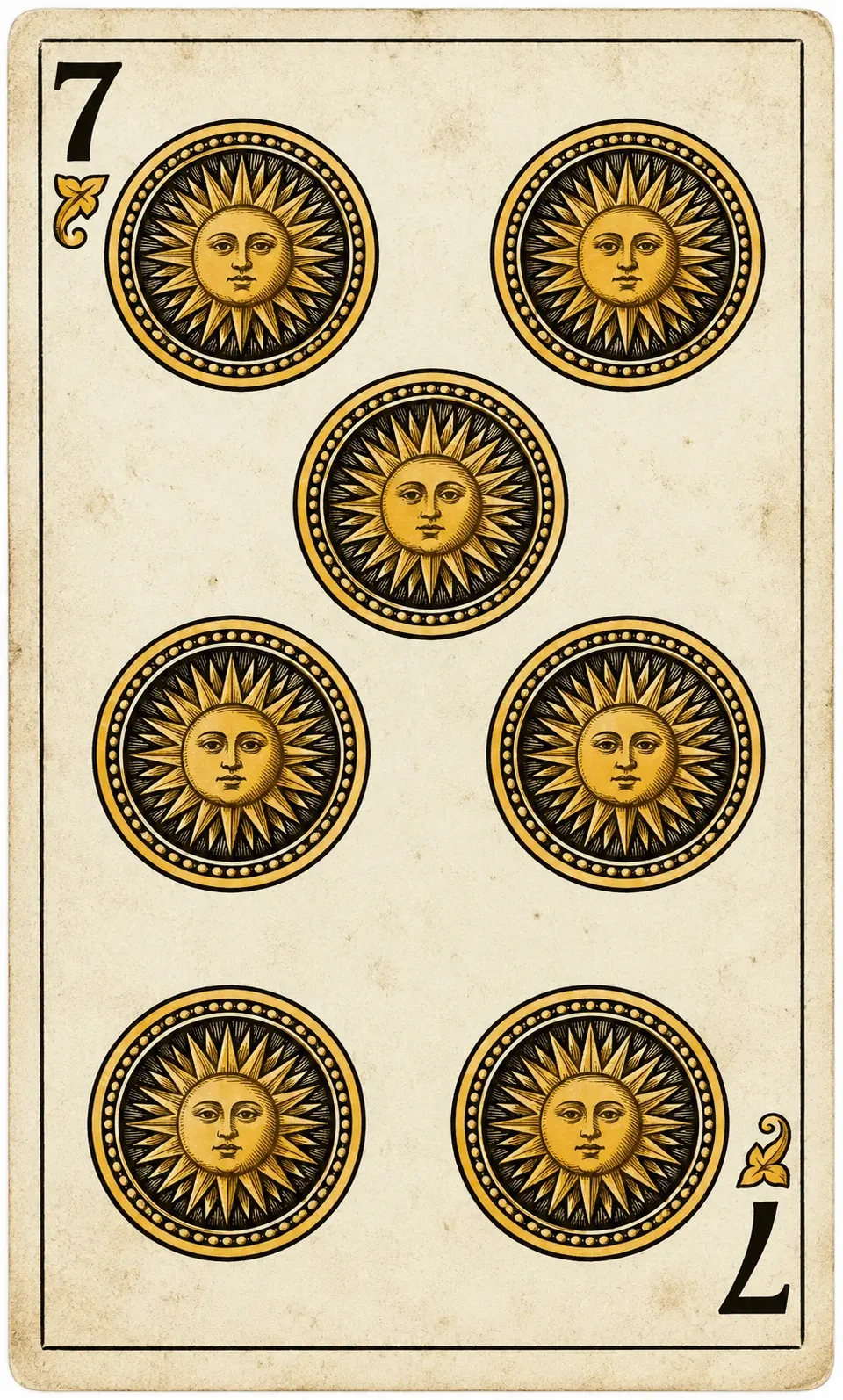
Good partnership play in Guiñote means counting the trumps played, adding points to tricks your partner is winning and making declarations as early as possible. Keep resources for the final phase and the ten-point last-trick bonus rather than spending a trump on a low-value trick when you may need it later.
Which rules do you need to understand to make good decisions?
Guiñote strategy starts with one idea: what matters is the partnership's points, not the tricks each player wins. The game uses a 40-card deck, with four players in two partnerships, each dealt six cards. The face-up card determines the trump suit.
The cards rank, from highest to lowest: ace, three, rey, sota, caballo, seven, six, five, four and two. Make sure you know this order, especially if you are coming from another game:
| Card | Point value |
|---|---|
| Ace | 11 |
| Three | 10 |
| Rey | 4 |
| Sota | 3 |
| Caballo | 2 |
| Seven, six, five, four and two | 0 |
In Guiñote, the sota is worth three points and the caballo two. The target is 101 points; if neither partnership reaches it, a second deal is played. Alongside captured cards, declarations and the ten-point last-trick bonus also count. That is why a seemingly modest hand can offer good prospects if you keep a declaration intact and manage to win the trick needed to announce it.
When should you save your trumps?
During the first phase, you do not have to follow the suit led. This freedom lets you decide whether to contest a trick, add points or discard a worthless card. Do not use a trump simply because you can win: first look at the cards on the table and who still has to play.
A trump is a way to maintain control. It can help you capture valuable cards, earn the chance to make a declaration or enter a decisive phase with options still available.
- Save it if the trick contains barely any points and spending it gives you no clear advantage.
- Use it if you can capture an ace or a three and the risk of being beaten is acceptable.
- Do not overpay for a trick: use the lowest trump that will achieve your goal, taking into account those who still have to play.
- Do not save it out of habit: keeping all your trumps while your opponents collect the points is not a good strategy either.
The useful question is not “Can I win?” but “What does our partnership gain if I win now?”.
How do you count trumps and add points to your partner's tricks?
There are ten cards in each suit. To count trumps, start with your own and keep track of those played. The face-up card is visible, but it is not a spent trump: it can still enter someone's hand. If it is exchanged for the seven, remember which card that player picked up.
You do not need to memorise the entire game from the outset. Focus on trumps and the aces and threes already played. Knowing that the ace of a suit is out of play makes a big difference to how safe its three is.
When your partner is winning a trick, you can take the opportunity to add points. However, being ahead does not mean the trick is secure. If an opponent still has to play, they may yet beat it. Adding an ace or a three is much safer when you play last and know the trick will be yours.
During the first phase, someone failing to follow suit does not prove they have none of that suit. They can choose another card. Avoid treating a voluntary decision as certain information about their hand.
Why is it worth declaring early?
After winning a trick, you can make a declaration if you still hold the rey and sota of the same suit: twenty points, or forty if they are trumps. The caballo is not part of this combination.
Declaring early reduces the risk of missing your chance. If you hold on to the pair while waiting for the perfect situation, you may be forced to play one of the two cards during the final phase or find yourself with no way to win a trick.
- Spot a declaration as soon as you receive the cards that form it.
- Look for a reasonable chance to win a trick without breaking it up.
- Weigh the cost of winning that trick: spending a trump can be worthwhile if it secures the declaration.
Do not protect every declaration at any cost. If keeping it intact means giving away very valuable cards, compare the points you hope to gain with those you are letting slip away.
When is it worth exchanging the seven of trumps?
The seven of trumps can be exchanged for the face-up card. This is particularly appealing when you pick up a strong card: replacing a card worth no points with an ace or a three improves both your hand's value and its ability to win tricks.
If the face-up card is a rey or a sota, check whether it completes a forty-point declaration. If so, the exchange can give you an immediate plan: keep the combination intact and look for a trick that will let you declare it.
When the face-up card is also worth no points, do not assume the exchange improves your hand. The seven outranks the other zero-point trumps, so picking up a lower one can weaken your hand. Make the exchange at the time allowed by the agreed rules, and remember that your opponents see which card you take.
How do you prepare for the final phase without leaving yourself exposed?
When the draw pile runs out, the final phase begins. You must follow the suit led and beat the highest card in that suit if you can. If you have none of that suit, you must play a trump; if someone has already trumped, you must beat their trump whenever possible. If you cannot meet these obligations, you are free to play any card.
Reaching the final phase with plenty of points in your hand therefore does not guarantee that you will collect them. An unprotected three can end up in an opponent's trick if the ace of its suit has yet to be played.
- Check your entries: identify the cards that can win you the lead.
- Track the outstanding trumps: do not treat an ace of another suit as a guaranteed trick.
- Watch for missing suits: in this phase, failing to follow suit does tell you who is void in that suit.
- Think one trick ahead: winning now also determines which hand will lead next.
How do you coordinate and protect the ten-point last-trick bonus?
Coordination starts with watching your partner's plays, not trying to win every trick they are winning. If they already have a trick secured, avoid spending a higher card for no reason. Sometimes, though, it is better for you to win so you can change the lead: what matters is your shared plan.
In games among friends, signals must be agreed before play starts. Do not assume they are allowed or mean the same thing at every table. Customs can vary by region and group; if there is no agreement, do not use them. For more background on the game, explore the history and interesting facts about Guiñote.
The ten-point bonus goes to whoever wins the last trick and can decide the result. As the end approaches, count the remaining cards and consider whether your high trump will actually help you win it. Simply saving it without thinking is not enough: you may be forced to play it earlier.
To practise, you can play Guiñote online for free, focusing on one goal at a time: counting trumps, securing declarations or preparing for the endgame. Afterwards, review one specific decision. Understanding why you spent a card usually teaches you more than simply remembering who won.
Frequently asked questions
Should you always save your trumps in Guiñote?
No. It is worth saving them when a trick offers little benefit, but spending them can be the right move to capture points, earn the chance to declare or take control of an important lead.
Which cards do you need for a forty-point declaration?
The rey and sota of the trump suit. After winning a trick, you can declare if you still hold both cards. If they belong to another suit, the declaration is worth twenty points.
Must you follow suit throughout the game?
Not during the first phase. When the draw pile runs out, the final phase begins: you must follow suit and beat the highest card in that suit if you can; if you have none of that suit, you must trump and beat any previous trump whenever possible. If you cannot, you are free to play any card.
Can you signal to your partner?
In games among friends, you must agree beforehand whether signals are allowed and which ones are accepted. You should not assume they are permitted at every table; customs vary between groups and regions.