

Culture
When did the Wild Card appear in the Spanish deck? The curious history of the pack's newest card
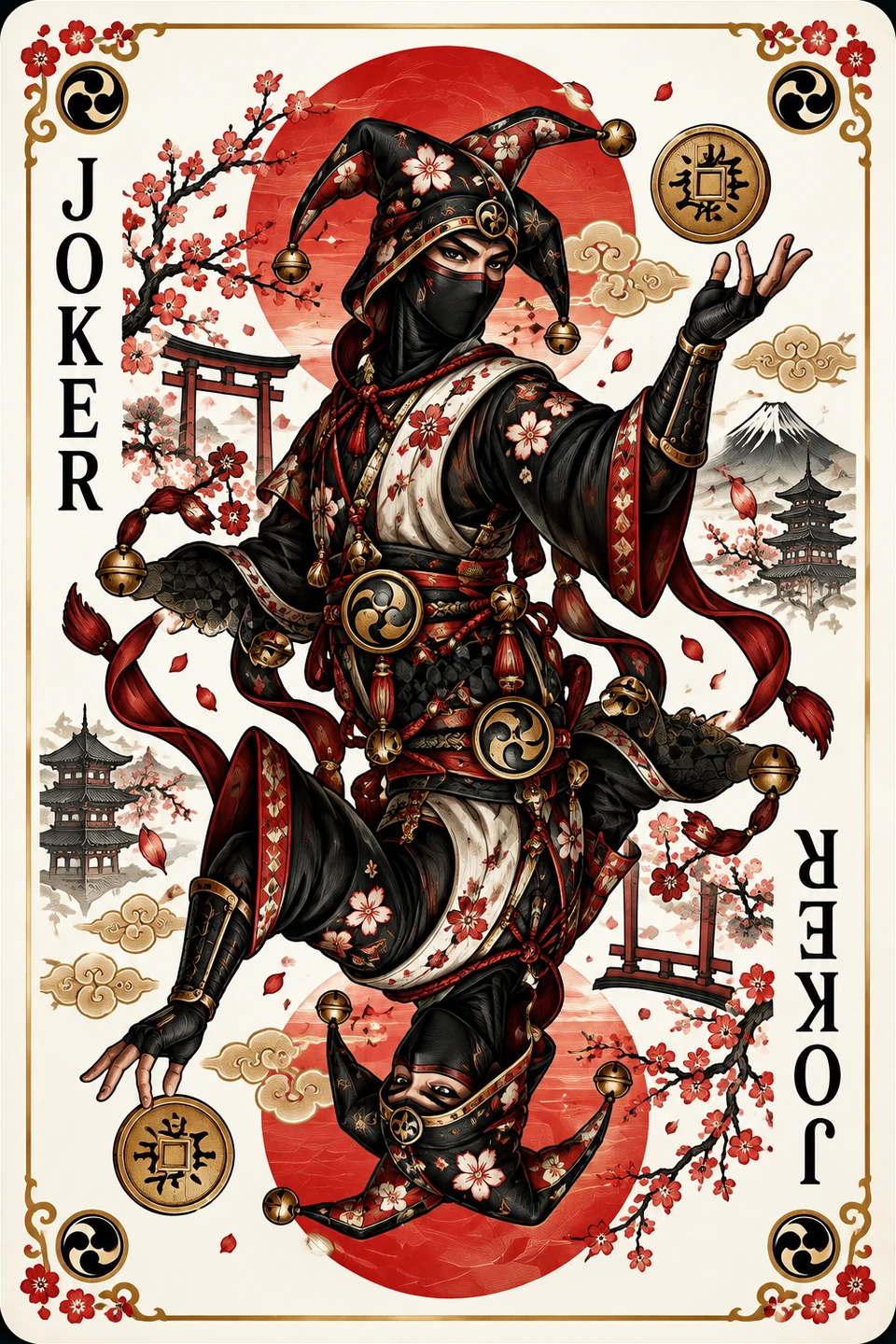
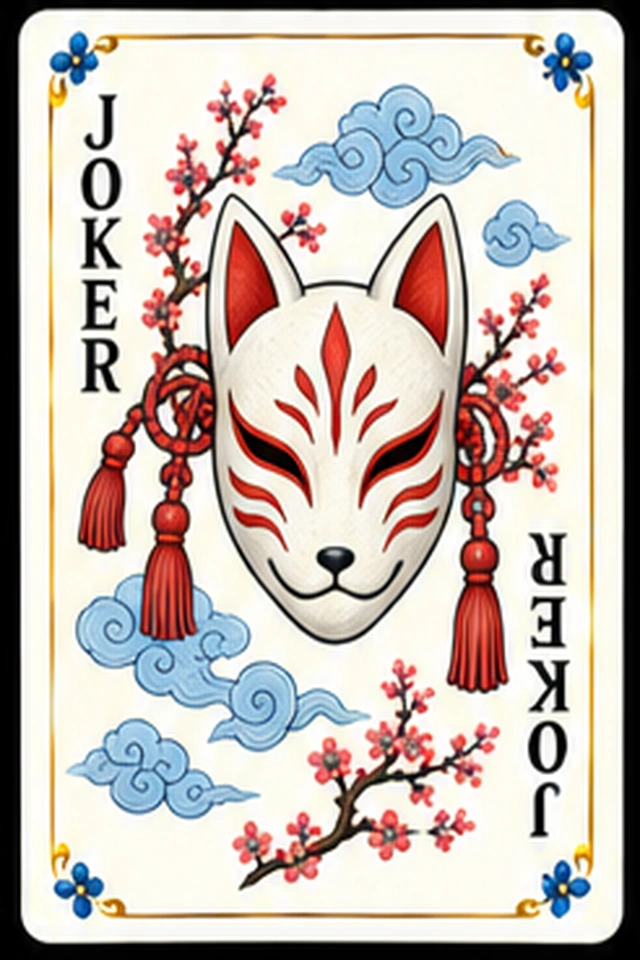
The comodín stands apart from the Spanish deck’s traditional suits of Oros (Gold coins), Copas (Cups), Espadas (Swords) and Bastos (Clubs), and its Sotas (Jacks), Caballos (Knights) and Reyes (Kings). Unlike those familiar cards, it can stand in for any other card.
Most people assume that the comodín has always been there, but the reality is quite different. In fact, it is one of the most recent additions in the entire history of playing cards.
So, when exactly did the comodín appear in the Spanish deck?
The short answer: it wasn't born in the Spanish deck
Although many Spanish decks today include two comodines, especially those intended for games like Chinchón [a rummy-style game], Remigio, or some family variants, this card was not part of the traditional deck.
The classic Spanish deck consisted of 40 or 48 cards, depending on the game, and did not include any comodín. For centuries, it functioned perfectly without it.
The comodín is actually a relatively modern import from the Anglo-Saxon world.
The origin of the Joker: United States, 19th Century
Playing card historians place the birth of the joker in the United States during the 1860s.
Around that time, a game called Euchre had become popular; it was of European origin but widely played in North America. Some variants of the game required a special card to act as an absolute trump, superior to all other cards.
To solve this, an additional card was created, initially known as the Best Bower or Imperial Bower. Shortly after, it began to be called the Joker, a term that would eventually prevail worldwide.
The first known printed representation of this new card appeared around 1863, making it the youngest card in the entire family of modern playing cards.
How did it reach Spain?
During the final decades of the 19th century, decks manufactured in the United States and England began to circulate more and more throughout Europe.
The Joker travelled with them.
However, adoption was not immediate. Traditional Spanish games such as Mus [a popular bluffing game], Brisca, Tute or Guiñote did not require any additional cards, so the classic structure of the deck remained intact.
Even so, some manufacturers began to include two comodines in their packs as extra cards. Not because they were essential, but because they allowed the same deck to be used for more games.
That is why today it is common to find Spanish decks of 50 cards: the traditional 48 plus two comodines.
Why is it called "comodín"?
The name is quite descriptive.
In most games where it appears, this card has the ability to substitute for any other. In other words, it can adapt to the player's needs.
That is why it ended up being called the "comodín", a word that in Spanish is also used to describe something versatile or useful in many situations (similar to a "wildcard").
While in English the term Joker (jester or prankster) was kept, in Spain a much more practical name triumphed.
Does it always have the same design?
No.
Unlike the other cards in the Spanish deck, whose appearance is quite standardised, the comodín has changed significantly depending on the era and the manufacturer.
Some brands use jesters or harlequins inspired by the Anglo-Saxon Joker. Others simply print the word "Comodín". There are also designs featuring clowns, magicians, fantasy characters or abstract illustrations.
Precisely because it does not belong to the original historical design of the Spanish deck, manufacturers have enjoyed much more artistic freedom when representing it.
The youngest card in the entire deck
There is something curious about all this.
While the suits of the Spanish deck have roots dating back to the Middle Ages and derive from the ancient Mamluk playing cards that arrived in Europe over six hundred years ago, the comodín has barely 160 years of history.
That is to say, when the comodín appeared, entire generations of players had already been using decks without it for centuries.
For this reason, many historians consider it a kind of "friendly intruder": a modern card that eventually found its place in decks much older than itself.
Conclusion
The comodín was not born with the Spanish deck, nor was it part of it for most of its history. Its origin lies in the United States around 1863, when it was created for a game called Euchre.
Over time, it spread throughout the world, and some Spanish manufacturers began to include it as an additional card. Today it is common to see it in many decks, although it remains a relatively recent guest compared to the centuries of history behind the Oros (coins), Copas (cups), Espadas (swords) and Bastos (clubs).
The next time you find a comodín in a Spanish deck, remember that you are likely holding the most modern card in the entire pack.