

Spanish history and leisure
Village casinos: social clubs and card games
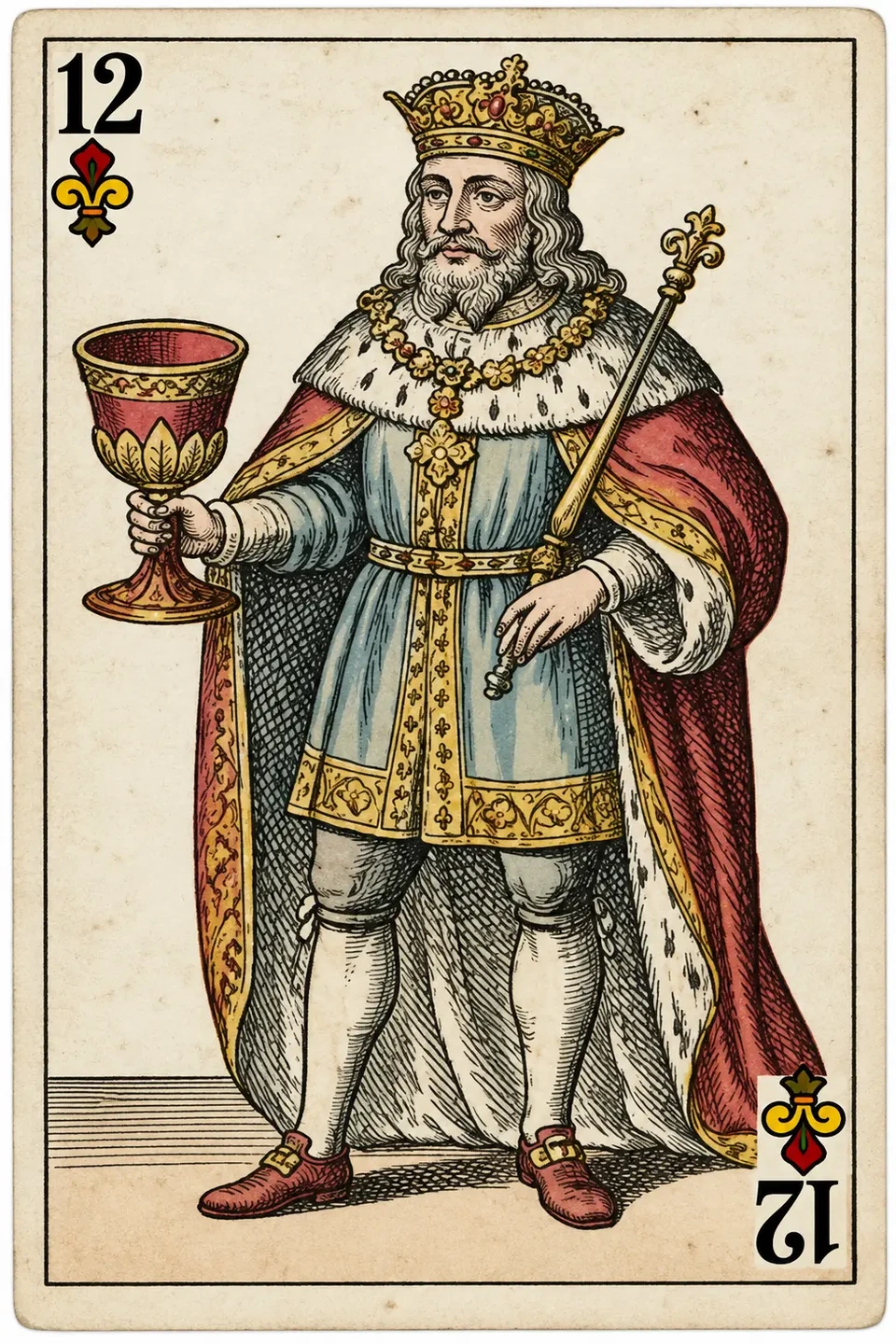
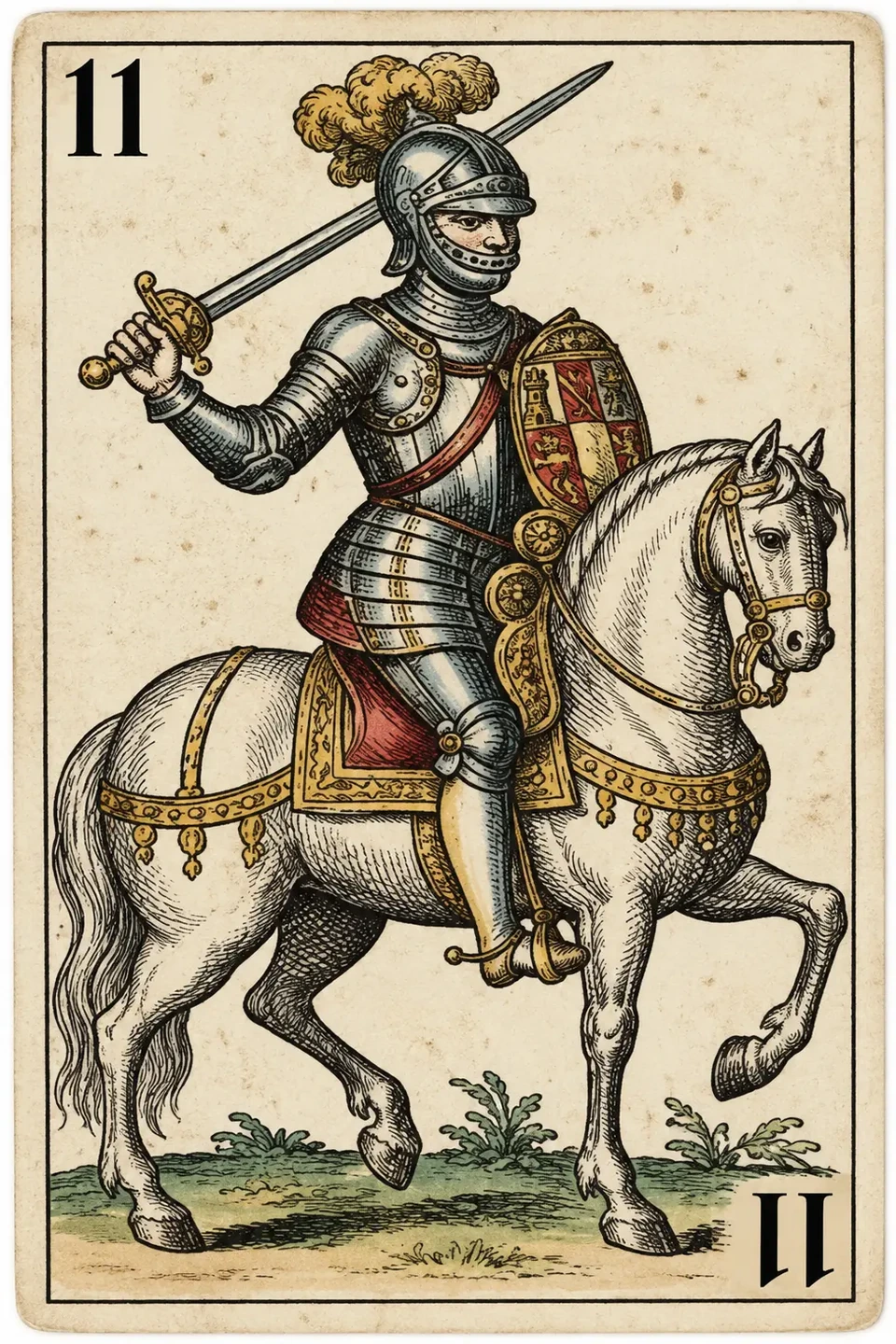
The casinos found in many Spanish towns and villages were social clubs or members’ societies, not the gambling venues we associate with the word today. People went there to meet up, read the papers, hold dances and enjoy a game of cards or dominoes.
A social club
From the 19th century onwards, casinos, clubs and cultural societies sprang up in almost every place with a sizeable population. Members paid a subscription and had access to a reading room, café and games rooms. Some villages had several clubs side by side: one for farmers, another for traders…
Cards at the casino
The gaming tables were at the heart of everyday life. People played Tute (a Spanish trick-taking card game), Mus (a Spanish partnership card game), Guiñote (a Spanish trick-taking card game) or dominoes, with regular partners and tournaments during local festivities. We look back on this in the culture of village card games.
More than games
Casinos organised dances, talks, open-air festivities and even plays. Many of the buildings survive and still serve as cultural centres.
A word that changed
Over time, ‘casino’ came to mean, above all, a gambling house. We prefer the older meaning: somewhere to meet up and play with no money involved. We explain this in why we are not a casino.
Frequently asked questions
What was a village casino?
A members’ social club where people could meet up, read, hold dances and play cards or dominoes.
Did people gamble in village casinos?
Games were mainly a social activity; the clubs’ primary role was to bring people together and support cultural life.