

Culture
The card games of Rinconete y Cortadillo
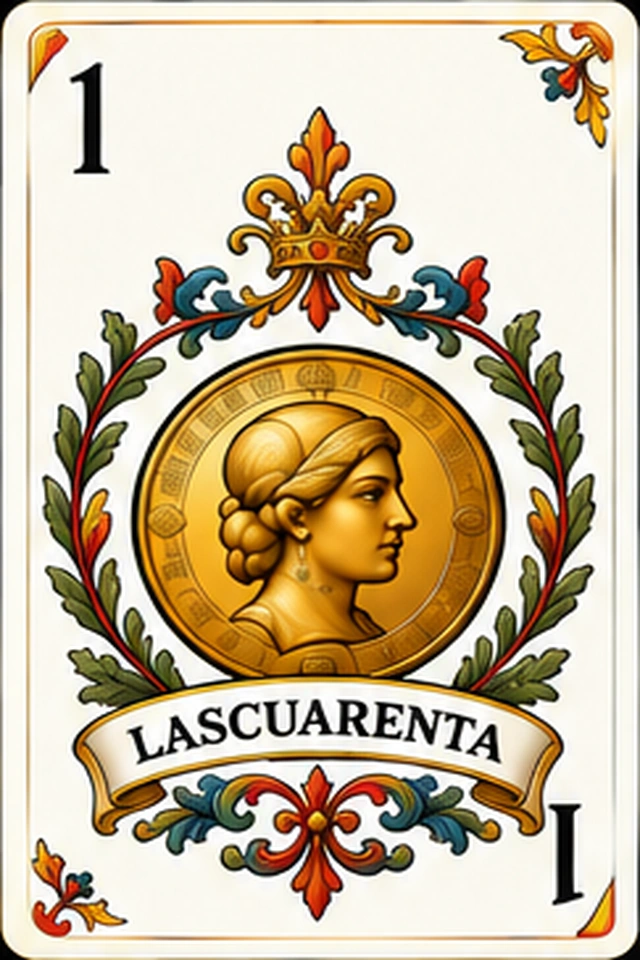
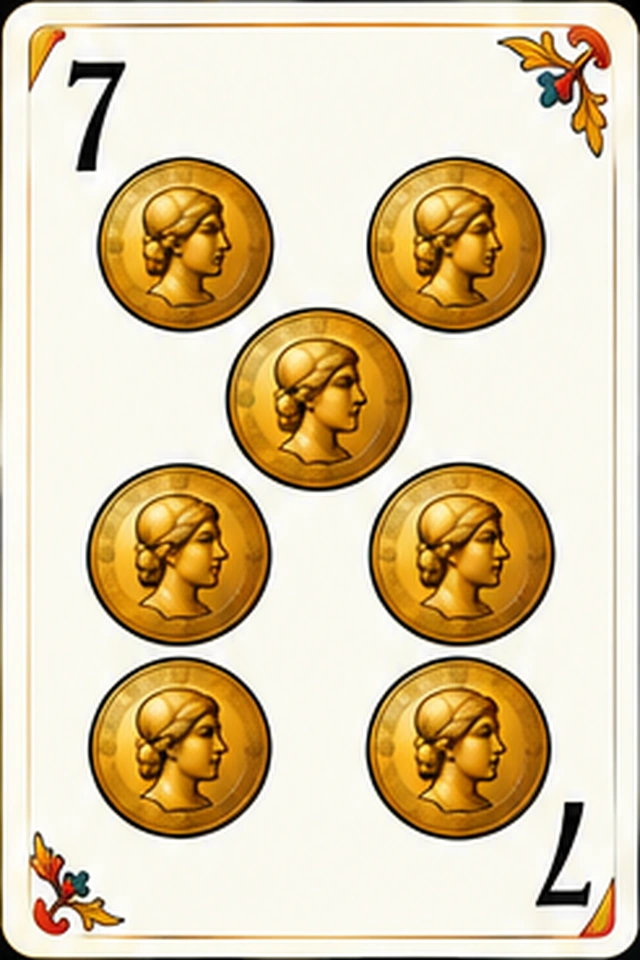
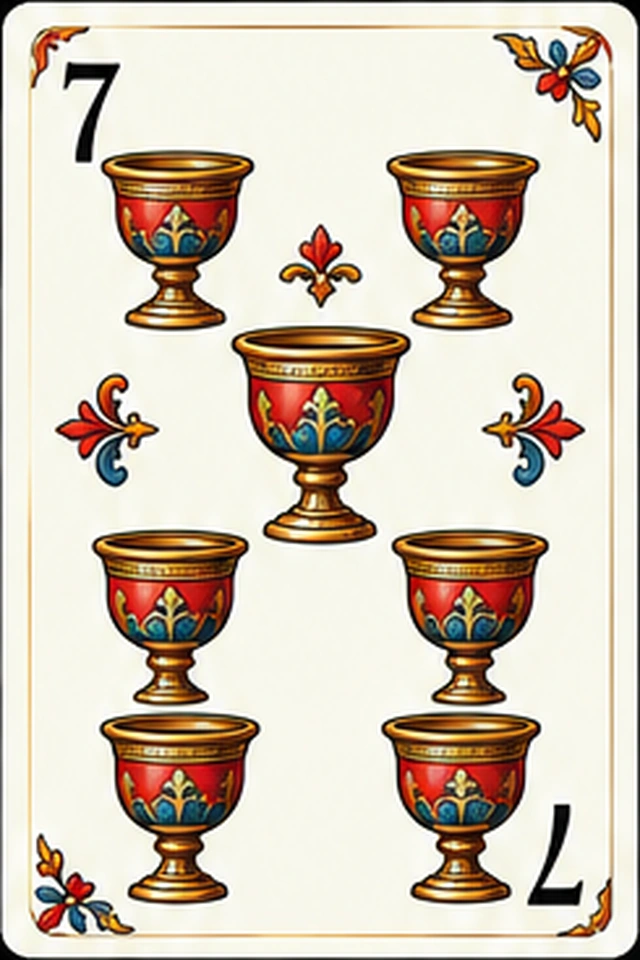
In Rinconete y Cortadillo, Cervantes has his rogues mention games such as primera (primero), quínolas (flushes), carteta (turn-up betting) and treinta y una (thirty-one). These games of card combinations and wagering were very popular in the inns and gaming houses of the 17th century.
Primera
This was the fashionable game of the day. Players received four cards and aimed to make combinations, such as holding one card of each suit. It is considered a distant ancestor of many later wagering games and has relatives in Italy.
Quínolas
A game of combinations that rewarded players for holding cards of the same suit. Its name appears frequently in texts from the period.
Carteta
A quick betting game in which cards were turned face up one after another. Its speed made it a favourite among professional gamblers.
Treinta y una
The aim was to reach a total of 31 without going over. The idea is reminiscent of Siete y Media (seven and a half) and, in a way, Mus (a Basque betting card game), where 31 is also the best hand.
Many more
Dozens of other games appear in the literature of Spain’s Golden Age, many of them now forgotten. We explore them in forgotten traditional Spanish games and the games that appear in Cervantes’ works.
Frequently asked questions
What was primera?
A very popular card game during Spain’s Golden Age, in which players aimed to make combinations of suits and card values.
Are any of these games still played?
Some, such as treinta y una, survive with variations; others have disappeared.