

Rules and concepts
Why do treses (threes) count as reyes (kings) in Mus (Spanish card game)?
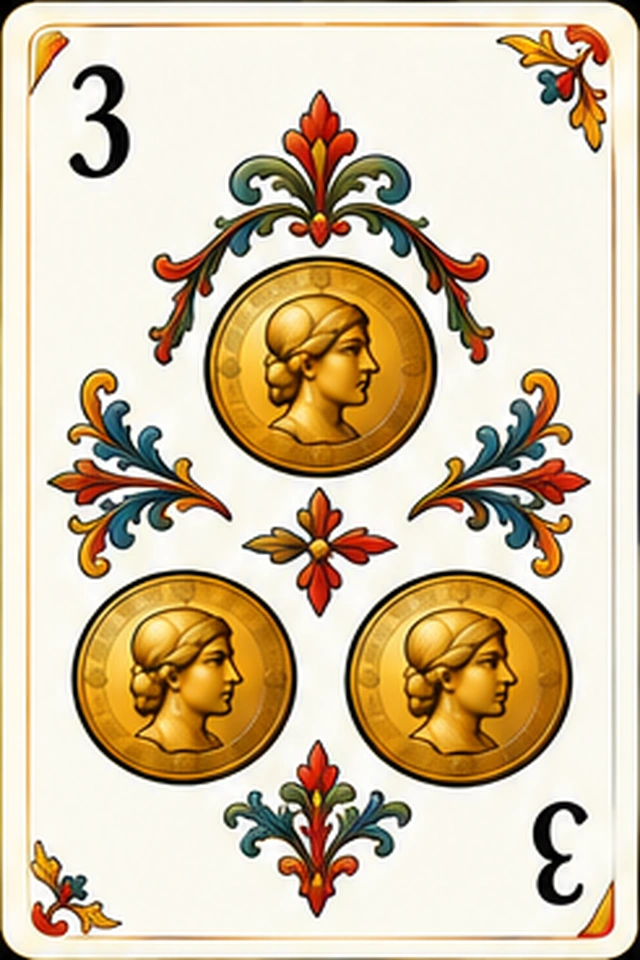
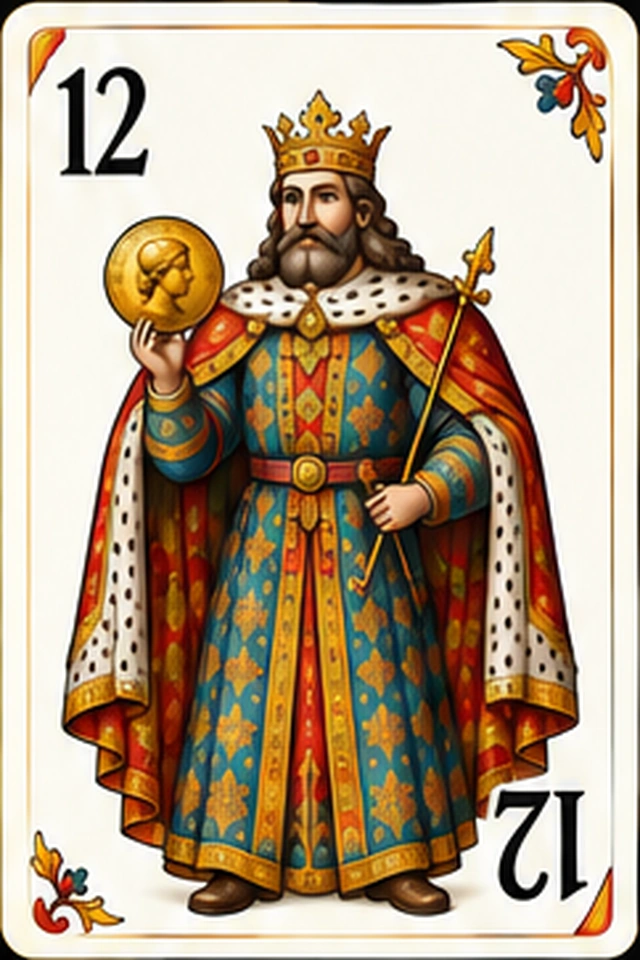
All four treses (threes) count as reyes (kings) in eight-king Mus (Spanish card game), the most widely played version, so there are eight kings rather than four. This rule produces more high hands and makes the grande (high hand) and pares (pairs) rounds more exciting.
More kings, more action
The rey (king) is the most sought-after card in Mus: it ranks highest in grande, makes strong pairs and is worth 10 for juego (game). With only four kings, getting duples (two pairs) of kings would be very rare. With eight, things change considerably. How much? Being dealt four ‘kings’ is around 70 times more likely in eight-king Mus than in four-king Mus. We explain the numbers in the probability of being dealt all four kings.
What about the caballo (knight) and sota (jack)?
They remain a knight and a jack. Only the tres (three) gets promoted. To balance things out, the dos (two) moves down: it counts as an as (ace). We explain this in why twos count as aces.
Four-king Mus
In some areas and at certain clubs, people play four-king Mus, with threes and twos counting as ordinary cards. It’s a slower version of Mus, with fewer big hands. If it’s your first time at a new table, ask: ‘Eight or four?’.
Frequently asked questions
Do threes count as kings in every game of Mus?
No. They do in the eight-king version; in the four-king version, a three is an ordinary three.
Which version is the most common?
Eight-king Mus is played in most of Spain.