

Rules and concepts
How to play Julepe (a trick-taking card game): rules, scoring and strategy
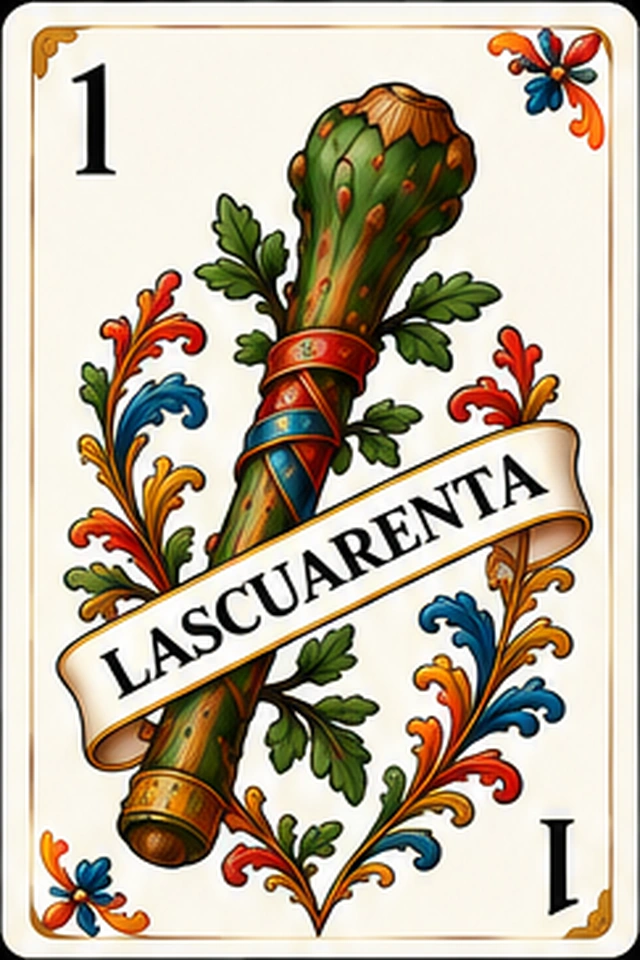
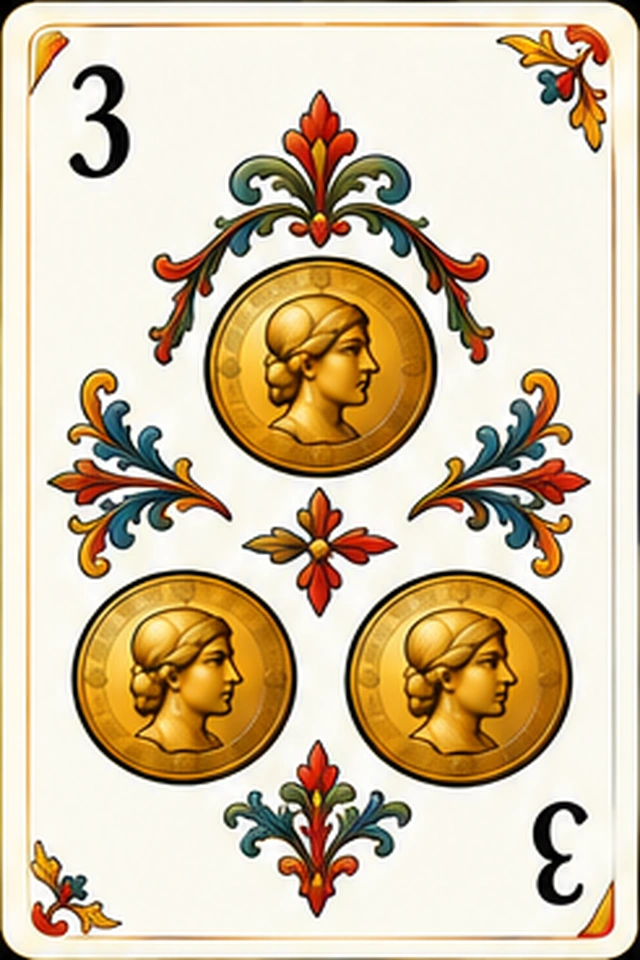

Julepe (a trick-taking card game) is played by three to six players with a 40-card pack and a shared pot. After receiving their cards, each player must decide whether to play the hand, risking a penalty payment into the pot if they fail to win at least one trick.
Where it comes from
Julepe is related to Tute (a Spanish trick-taking game) and was hugely popular in village social clubs and cafés during the 20th century. The word ‘julepe’ even found its way into everyday Spanish: ‘darse un julepe’ means to give yourself a proper battering.
How to play
- Deal the cards (five each in the most widespread version, although some house rules use three), then turn over the next card to determine the trump suit.
- Each player says whether they are in or passing. Those who pass put their cards down.
- Players who are in can exchange some of their cards for others from the pack.
- Play the tricks following the usual rules: follow suit, beat the highest card and trump.
The pot
Everyone puts counters or chickpeas into the pot at the start. At the end, the pot is shared out according to how many tricks each player has won. Anyone who plays but wins no tricks must replenish the pot. That risk is what makes the game so much fun.
Tips for avoiding the penalty
Play when you have at least one high trump or an ace in another suit. With a weak hand, passing is not cowardly: it is clever. And if you are last to decide, make use of knowing how many players are already in to make a better-informed choice.
Frequently asked questions
What does it mean to suffer a Julepe penalty?
It means you chose to play the hand but did not win a single trick, so you must pay into the pot.
How many cards do you use in Julepe?
The classic version uses a 40-card Spanish pack, with five cards dealt to each player.