

Tutorials
How to Play La Mona with a Spanish Deck
La Mona (also known as Old Maid) is a traditional card game perfect for children and families. It involves forming pairs of cards and avoiding being left with the one odd card (“the old maid”) at the end. Although the rules are very simple, this game has centuries of history in Europe. In this article we review its origin, detailed rules (players, deck, objective, turn sequence, etc.), known variants, tips for playing with family, and links to related games.
By Adrián Muñoz
· 6 min read
In this article
History and Origin
La Mona is the Spanish version of a game known worldwide as Old Maid (called Solterona, Viejecita, Schwarzer Peter, etc. in various countries). Similar games have been played since at least the 17th century in Europe. The first written reference is from 1831 in the United States (published by Eliza Leslie), though it probably derives from an even older German game: the rules of Schwarzer Peter were recorded as early as 1821. In France, similar rules (the game Vieux Garçon) appear in 1853. Originally it may have been an informal betting game, where the loser paid the next round of drinks. The term “old maid” predates the game and referred to an unmarried older woman, but in the modern game it is just a traditional label for the odd card.
Etymology and Curiosities
The name La Mona in this game is not clearly documented in academic sources. It is a colloquial name for the odd card; in some places it is associated with a character or creature (for example, in Germany one plays “Black Peter” with the figure of a monkey or chimney sweep). The word “solterona” comes from the English concept “Old Maid” and meant a middle-aged unmarried woman, hence the translation. Some authors suggest “mona” could be a folk alteration of “monja” (nun) or simply refer to a solitary being, but this is unconfirmed. As a curiosity, older versions with a 32-card deck would remove the queen of diamonds or jack of spades to represent the old maid.
Game Rules
Objective
Each player receives the same number of cards (the deck may not deal evenly, which is fine). At the start everyone immediately discards all pairs they have in hand (pairs of equal rank). Then play proceeds in turns: on each turn a player draws one card from the next player’s hand and discards any pairs that form. The goal is to empty your hand by forming pairs; the first player to do so wins the round and everyone else is safe. The loser is the player who ends up with the final odd card (the “old maid”) in hand.
Players and Deck
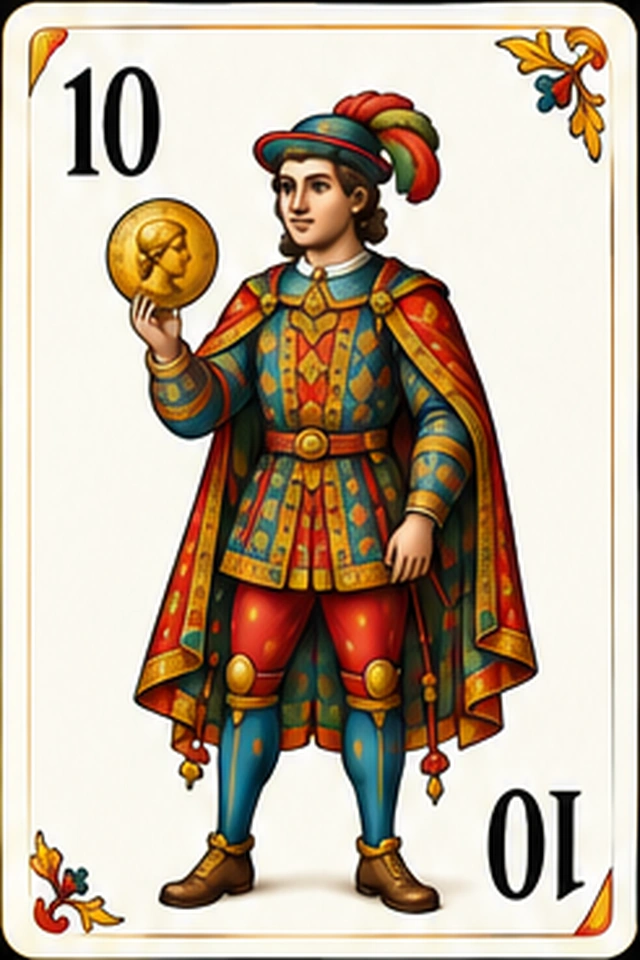
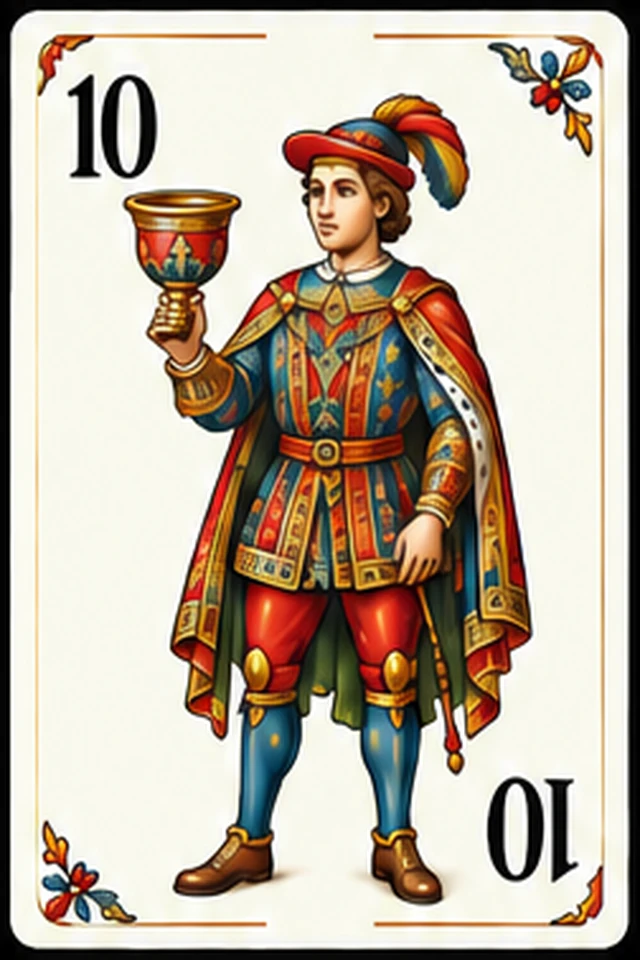
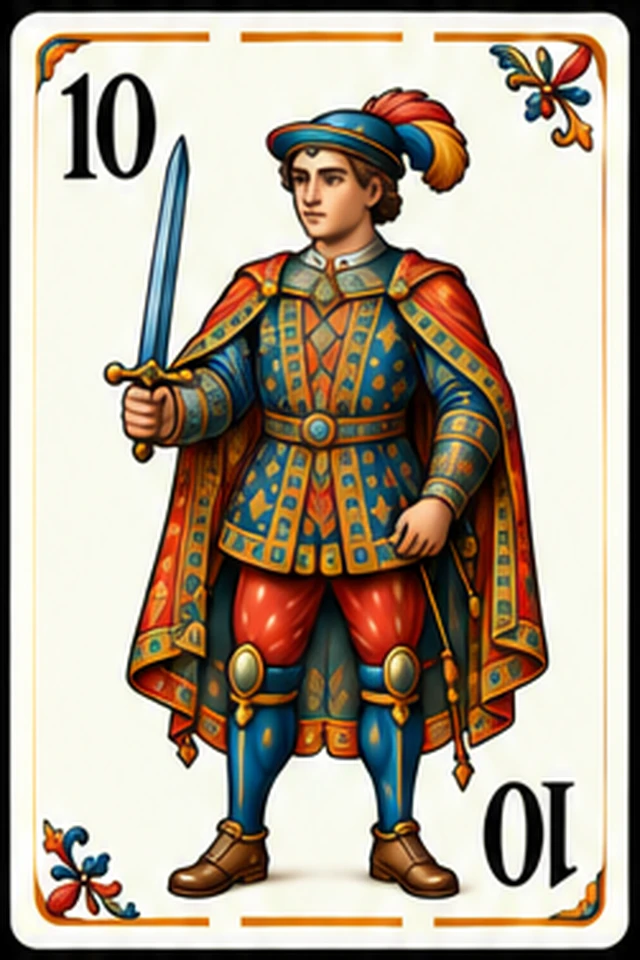
La Mona is best played with 3 to 6 players, though the rules allow 2 to 8. You can use a Spanish 40-card deck or a standard 52-card French deck. With the Spanish deck, remove one card at random (hidden); with the French deck, remove one Queen (for example, hearts). In either case one card is left “unmatched” in the deck: that is the old maid card. Shuffle the deck thoroughly and deal all cards one at a time to each player. It’s okay if some players get one card more than others.
Gameplay
Play proceeds clockwise. The first player (typically to the dealer’s left) offers their hand of cards face-down to the next player. The next player takes one card without looking. If that card makes a pair with a card in their hand, they discard the pair; if not, they keep it. Then they offer their hand to the next player, and so on. Each player in turn draws one card from their neighbor and discards pairs if possible. When a player empties their hand, they are out of play (already safe) and the game continues with the remaining players.
End of the Round
The round ends when all but one player have emptied their hands. The last player holding cards is the loser, because they have the unmatched old maid card. The first player to go out and all others who went out before the last are considered winners of the round. Scoring is usually minimal: sometimes the loser gets a penalty point, but often the game is played round by round without tracking points.
Known Variants
Many home rules and regional variants of La Mona exist. Common variations include:
- Number of players: 2–8 are possible, but with 2 the game is very short (3+ is more engaging).
- Deck and odd card: As mentioned, a Spanish deck removes one random card, or a French deck removes a Queen. In Germany one plays Schwarzer Peter by removing the Black Jack; the odd card often depicts a character. In Turkey the Papaz Kaçtı variant removes three Kings, and the player with the odd king is eliminated each hand. Sometimes special decks or jokers are used (see below).
- House rules: Some add a Joker as the old maid, or remove a random card so the odd card is unpredictable. Others may change turn order (offering to left vs right) or require drawing a card before passing the hand.
In summary, almost anything can be tweaked except the core mechanic: always remove one card without a match, and aim to shed all others by forming pairs.
Timeline of History
timeline
    title History of "La Mona"/Old Maid
    1821 : German "Schwarzer Peter" game documented (black Jack)
    1831 : "Old Maid" rules published by Eliza Leslie (USA)
    1853 : First French rules of "Vieux Garçon" (Old Maid) appear
    1883 : "Merry Matches" card game released in England (a themed Old Maid)
    2026 : Game still popular among families and in schools
Variant Comparison
The following table compares the most common variants of Old Maid/La Mona:
| Variant | Deck | Odd Card | Players | Direction |
|---|---|---|---|---|
| La Mona (Spain) | Spanish deck (40 cards) | Random hidden card | 2–8 | Clockwise |
| Old Maid (France/Latin Amer.) | Standard 52 cards | Removed Queen | 2–8 | Clockwise |
| Schwarzer Peter (Germany) | 32-card or special deck | Black Jack or special card | 3–6 | Clockwise |
| Papaz Kaçtı (Turkey) | 49 cards (52-3 kings) | Single King | 3–10 | Counterclockwise |
| Other | Standard 52 | Joker or random card | 2–8 | Clockwise |
Tips for Playing with Children
La Mona is great for young children due to its simplicity. It helps practice counting and matching. It also teaches taking turns and patience. Tips for child-friendly play include:
- Explain clearly: Ensure everyone knows which card is the odd one and how to pair cards.
- Emphasize luck: Remind kids it’s a chance game, so losing with the old maid is no big deal – just laugh it off!
- Simplify rounds: Keep each round short; if one child always loses, you can swap initial hands after a round to balance.
- Family play: Include adults or older siblings to guide play and make it fun for kids.
Common Issues & Solutions
Some common issues and fixes:
- Incorrect discard: If a player discards two non-matching cards (leaving an extra odd card), a usual penalty is that player becomes the loser for that round.
- Direction confusion: Agree upfront whether to draw from left or right. Typically play goes clockwise.
- Too fast with 2 players: With only 2 players the game ends quickly. For longer play include at least 3 players.
- Disputes over pairs: If in doubt about a pair, set those cards aside face-up until resolved. The game can pause to clarify rules.