

Rules and concepts
Subastao (auction tute): history, rules, variants and strategy
Subastao (auction tute), or tute subastado (auction tute), is a traditional variant of tute (a Spanish trick-taking game) with deep roots in Aragon, Murcia and Andalusia. It is normally played by three people with a 36-card Spanish deck. Before each hand, players hold an auction: whoever bids the most points chooses trumps and plays alone against the other two.
By Adrián Muñoz
· 6 min read
In this article
History and development
Tute belongs to the family of trick-taking games in which the as (ace) and tres (three) are the most valuable cards. It is related to brisca (a Spanish trick-taking game) and Italian games with similar names (you can read more in the Italian cousins of tute, brisca and escoba (a Spanish fishing card game)). It became popular in Spain during the 19th century and, like so many games played around the household table, its rules were passed down by word of mouth. That tradition produced numerous local variants, including tute subastado, which adds a bidding stage and turns every hand into a small test of calculation.
Rules of Subastao
The deck and deal
Use a 40-card Spanish deck with all four doses (twos) removed, leaving 36 cards, nine in each suit. Three people play, and the entire deck is dealt anticlockwise, twelve cards to each player. At many tables, the cards are not thoroughly shuffled between hands, which encourages deals with long suits and voids.
The auction
The player to the dealer’s right (the mano, or first bidder) speaks first. In turn, each player may pass or announce how many points they think they can score, in multiples of five and normally starting at 60. Each bid must exceed the previous one (65, 70, 75…). Anyone who passes drops out of the auction. If nobody bids, the cards are gathered up and dealt again.
The highest bidder becomes the declarer: they choose the trump suit and play alone, while the other two form the defence. Unlike in ordinary tute, no card is turned face up to indicate trumps.
Playing the hand
Tricks follow the usual tute rules: you must follow suit and beat the highest card played if you can; if you cannot follow suit, you must play a trump, and if a trump has already been played, you must beat it whenever possible. Whoever wins a trick leads to the next one. Breaking these obligations is a revoke, which is penalised by forfeiting the hand.
Card values and declarations
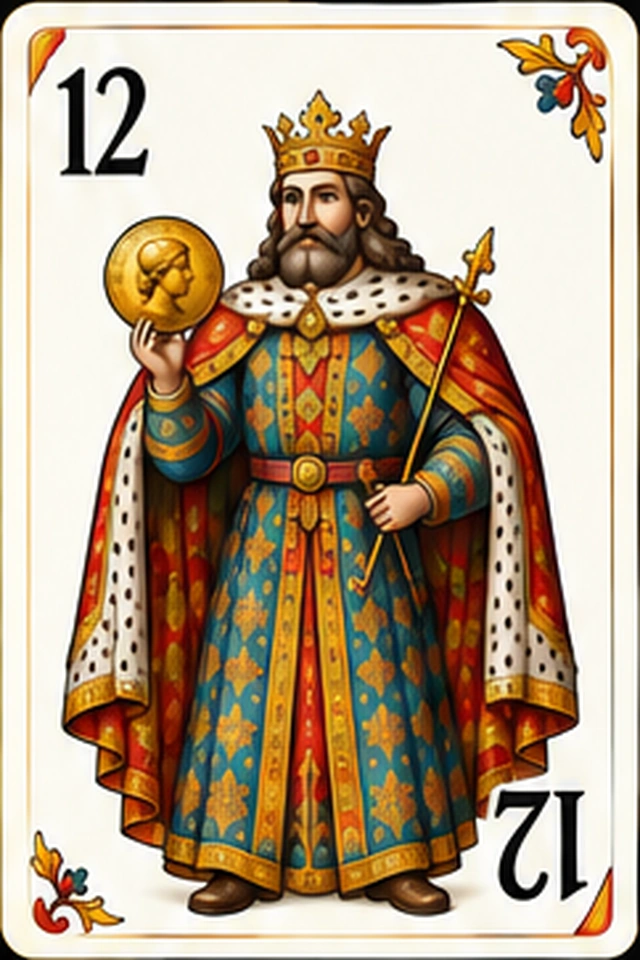
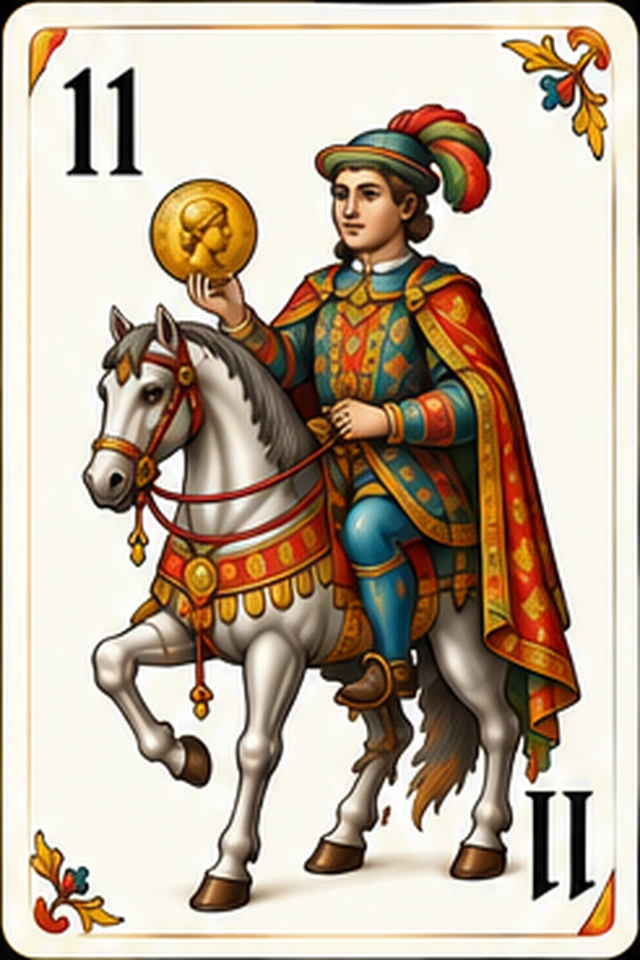
CardPoints As11 Tres10 Rey (king)4 Caballo (knight)3 Sota (jack)2 7, 6, 5 and 40The cards total 120 points, and the last trick earns another 10 (the last-trick bonus), making 130 altogether. In addition, anyone holding the rey and caballo of the same suit may declare them after winning a trick: twenty points in any non-trump suit and forty points in trumps. In the most widespread version, only the declarer may make declarations.
Scoring
At the end of the hand, count the declarer’s points. If they reach their promised total, they score their bid; if they fall short, their opponents score it instead (or share it between them, depending on the table’s custom). The first player to reach the agreed target wins the game.
Regional variants
- Classic three-player game: one against two, 36 cards and bidding from 60.
- Four players with a censor: the dealer sits out the hand but may ‘censor’ the winning bid by raising it by 10 and taking it over.
- Partnerships: two against two with the 40-card deck; the partnership that wins the auction must fulfil its joint commitment.
- Partnerships with signals: during the auction, partners may indicate certain cards or combinations using agreed expressions.
Basic and advanced strategy
The key is to calculate carefully before bidding. Start with the points you can count on: holding a forty-point combination gives you 40 almost guaranteed points, provided you can win a trick to declare it. Then assess your ases and treses, especially in the suit you intend to choose as trumps, and the length of that suit. With few trumps, it pays to be cautious; with a long suit and a scoring combination, you can bid higher.
During play, keep track of the cards that have been played and the points you have scored. As declarer, draw trumps early to stop the defence from trumping your cards, and save a winning card for the last trick. On defence, work with your partner: add points to tricks they are winning, and force the declarer to spend trumps by trumping their long suits.
Common mistakes
- Overbidding. Promising more than your hand can deliver is the most frequent mistake. If in doubt, pass.
- Forgetting declarations. Failing to count the rey and caballo of the same suit can lead you to underbid.
- Forgetting the last-trick bonus. Those 10 points decide many close hands.
- Revoking. Failing to follow suit, beat a card or play a trump when required costs you the entire hand.
- Choosing the wrong trump suit. A long suit is usually worth more than one containing just a few high cards.
Interesting details
‘Subastao’ is the colloquial form of ‘subastado’, meaning ‘auctioned’, and is very common in speech in the east and south of the peninsula. The censor in the four-player game is quite an unusual role among Spanish card games: someone who sits out the hand but can take it over. And the limited shuffling between hands, customary at many tables, gives Subastao a reputation for producing ‘odd’ hands with very long suits.
Glossary
- Auction: a round of bidding in which each player offers the number of points they think they can score.
- First bidder: the player who speaks first in the auction.
- Declarer: whoever wins the auction and plays alone.
- Defence: the two players who team up against the declarer.
- Trumps: the suit chosen by the declarer, which beats all the others.
- Declare: announce a rey and caballo of the same suit (twenty or forty points).
- Tute: holding all four reyes or all four caballos; its value depends on the table’s rules.
- Revoke: breaking the obligation to follow suit, beat a card or play a trump.
- Last-trick bonus: the 10 points awarded for the final trick.
Keep learning
Sources
Frequently asked questions
Is Subastao the same as ordinary tute?
No. They use the same deck and trick-taking rules, but Subastao has an auction beforehand to decide who plays alone and which suit is trumps.
Can four people play?
Yes: with a censor who may raise the winning bid by 10 points, or in partnerships with the 40-card deck.
What happens if everyone passes in the auction?
The cards are gathered up and dealt again; nobody scores any points.
Who can declare twenty and forty?
In the most widespread version, only the declarer, after winning a trick.
What happens if the declarer falls short of their bid?
Their opponents score the bid points, or share them between them, depending on the table’s custom.